
Menu format & service-condition planning
Custom Menu Printing
Menus suit restaurants and hospitality teams presenting choices during service. Format, glare, updating needs and the actual cleaning routine guide material selection.
- Information hierarchy
- Format by service
- Handling surface
Illustrative product configuration
Product overview
A readable format for table or counter use.
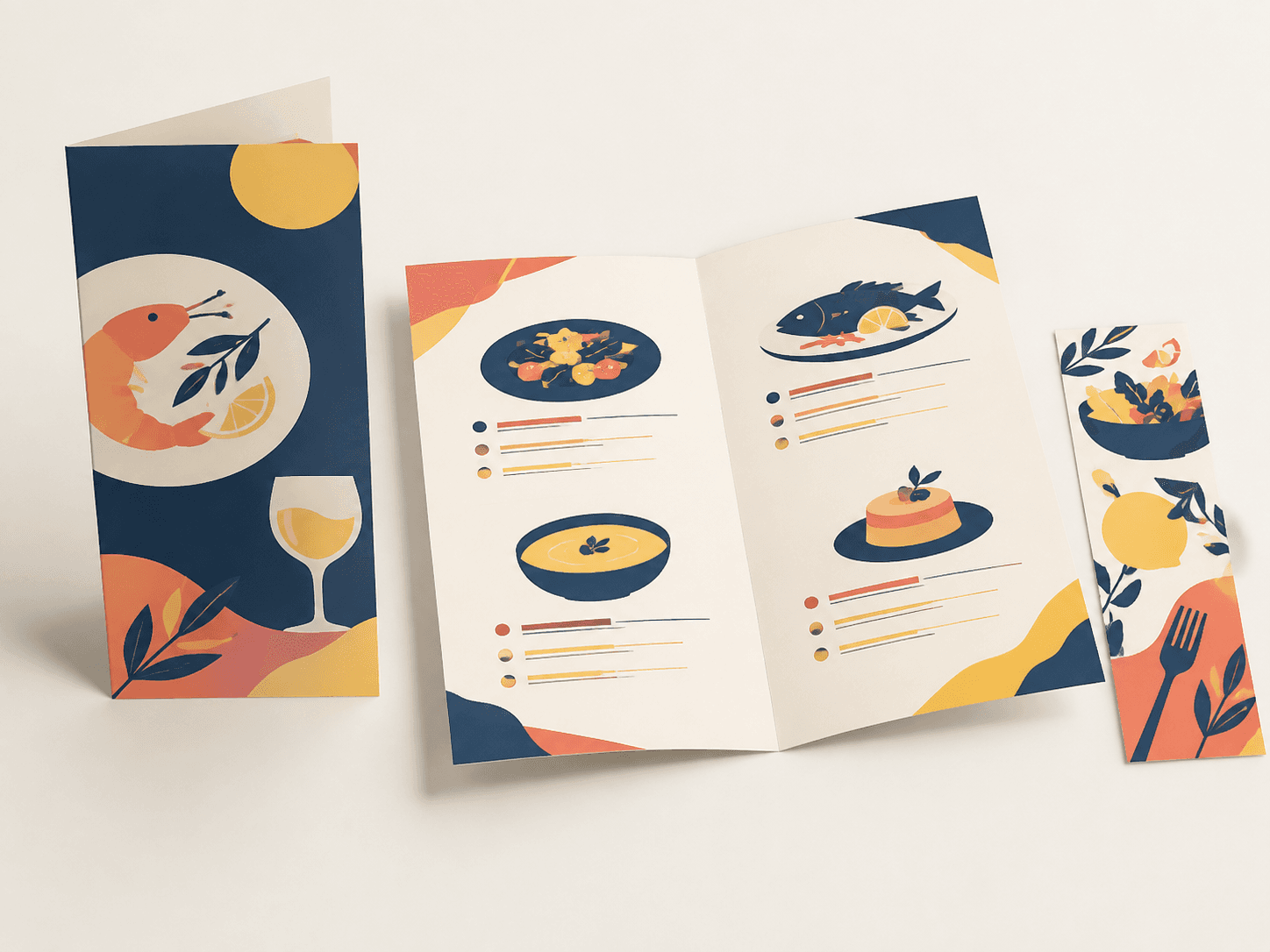
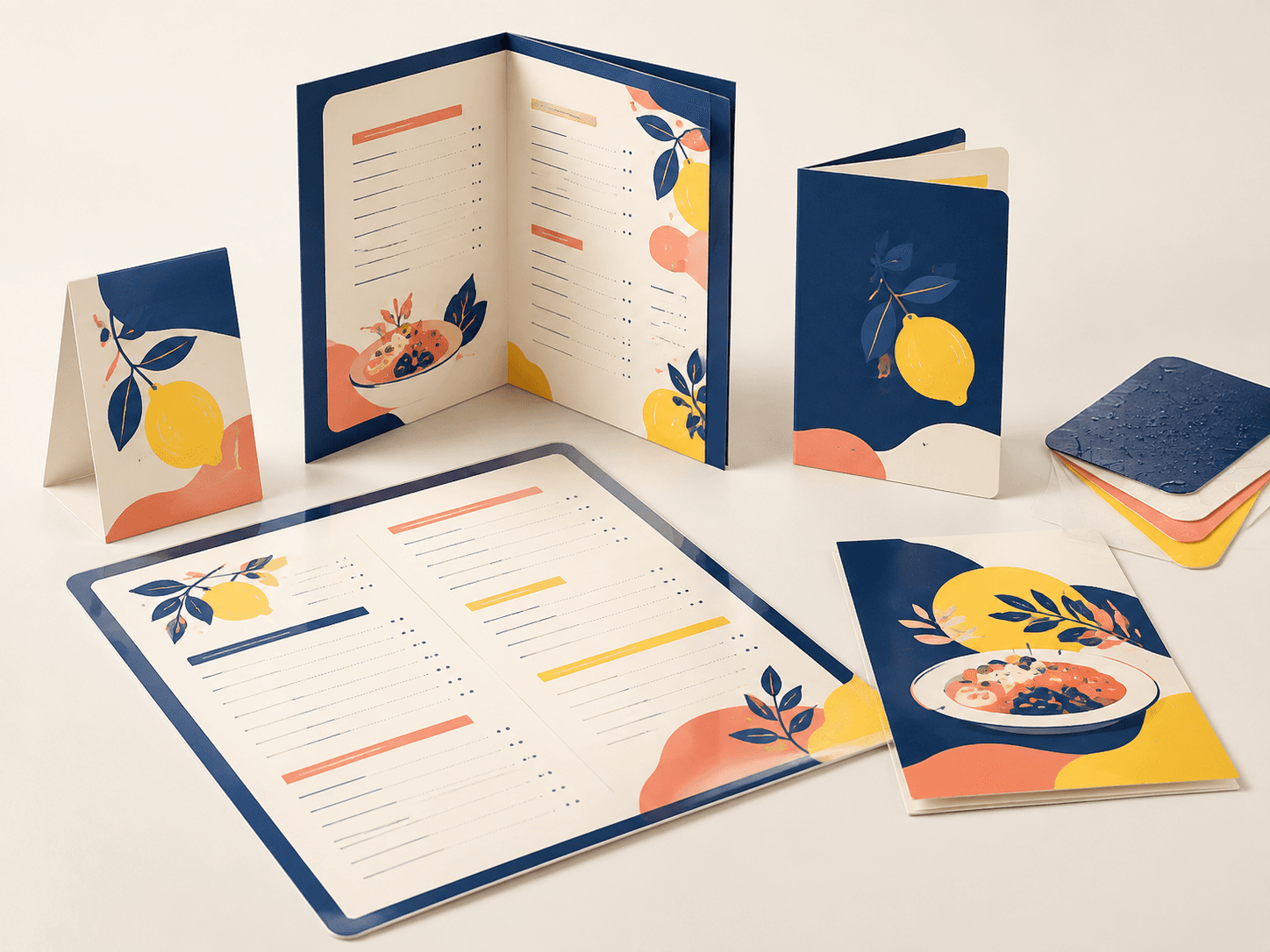
A menu must remain readable during service and practical to update. Flat sheets support frequent changes; folded cards create a category sequence; bound menus carry longer lists. A protective finish changes glare and writing behavior, but exposed edges and folds remain potential moisture entry points. The intended wiping routine should guide the finished construction.
Information hierarchy
Dishes, prices and supporting notes are arranged for quick comparison.
Format by service
A flat sheet, folded card or bound menu holds different amounts of information.
Handling surface
The chosen stock and protection affect how the menu feels and responds to the intended cleaning routine.
Specifications & materials
Choose the Menu Format for Your Service Routine
Start with flat, folded or bound width × height in mm. Then compare the material and construction choices below.
Use these options to prepare your specification. Material grades, weights, thicknesses and feasible dimensions are confirmed for the quoted construction. A paper weight is not a finished thickness or a strength rating.
| Parameter | Options or Information to Supply | Why It Matters |
|---|---|---|
| Finished dimensions | A5: 148 × 210 mm; A4: 210 × 297 mm; A3 flat → A4-sized closed: 420 × 297 mm | Flat-sheet references; nominal panel divisions exclude crease, tuck and closing allowances. The approved layout determines finished size. |
| Format and component count | Panels or pages, including inserts and separate price lists | Identify one complete finished item and its versions; list inserts, covers or supporting components separately. |
| Format | Flat sheet, folded card or bound menu | Choose around content length and how guests handle the menu. |
| Material | Card or a specifically quoted synthetic construction | Describe cleaning products, moisture and handling rather than assuming every stock is washable. |
| Protection | Compatible coating or lamination where needed | Test finished edges and folds with the intended cleaning routine. |
| Content control | Prices, languages, dietary wording and QR destination | Your team approves the content; the proof checks its printed presentation. |
Swipe the table to compare selection checks.
Compare materials and construction
Choose around the intended use. These are alternatives to discuss, subject to the confirmed specification.
Protected card
- Suitable for
- A printed menu with a quoted film or coating.
- Check before selection
- Test wiping, edges and folds using the actual cleaning routine.
Quoted synthetic stock
- Suitable for
- A material selected for a particular service environment.
- Check before selection
- Check print adhesion, writing needs and cleaner compatibility on a sample.
Surface finish options
Display panels and printed faces
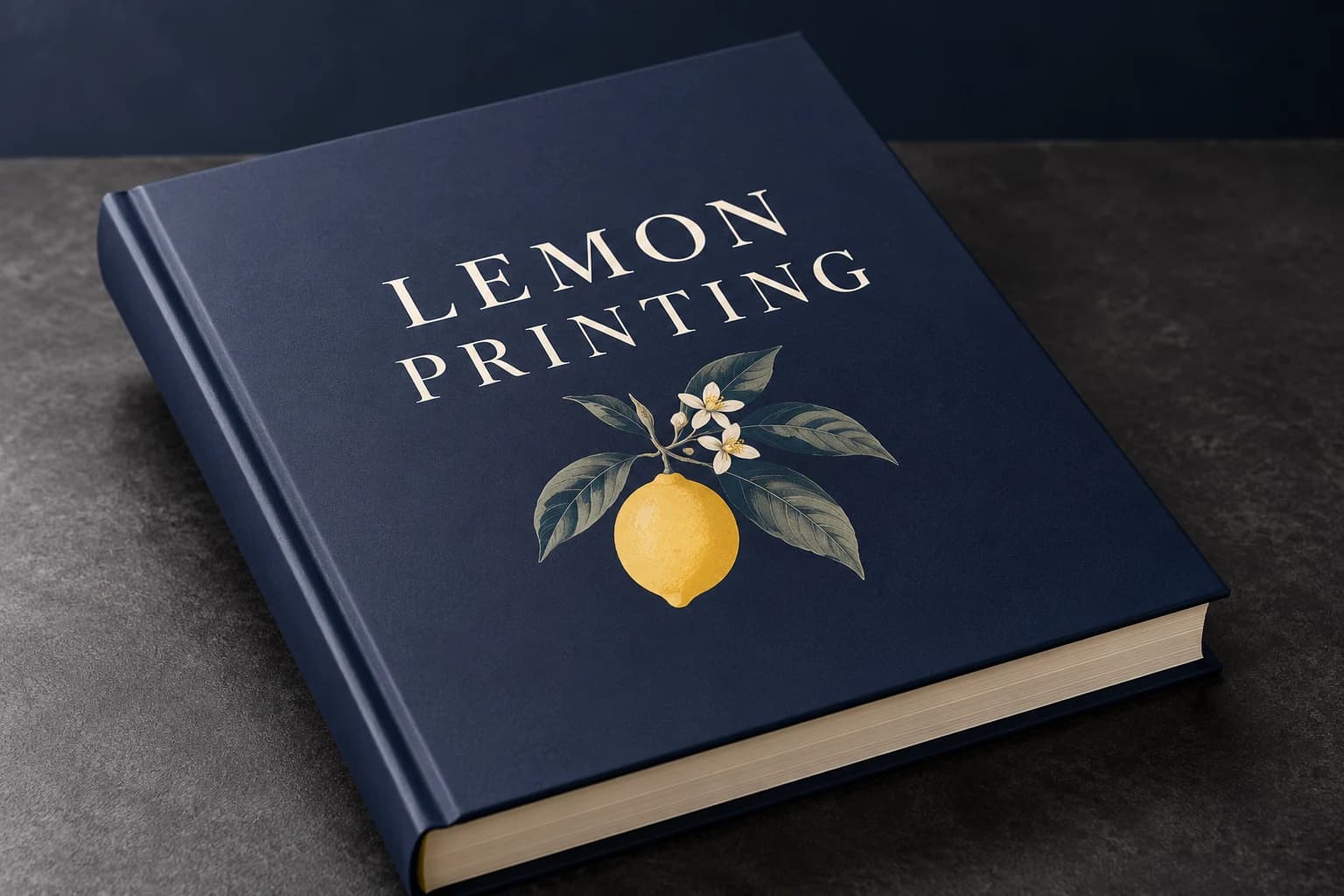
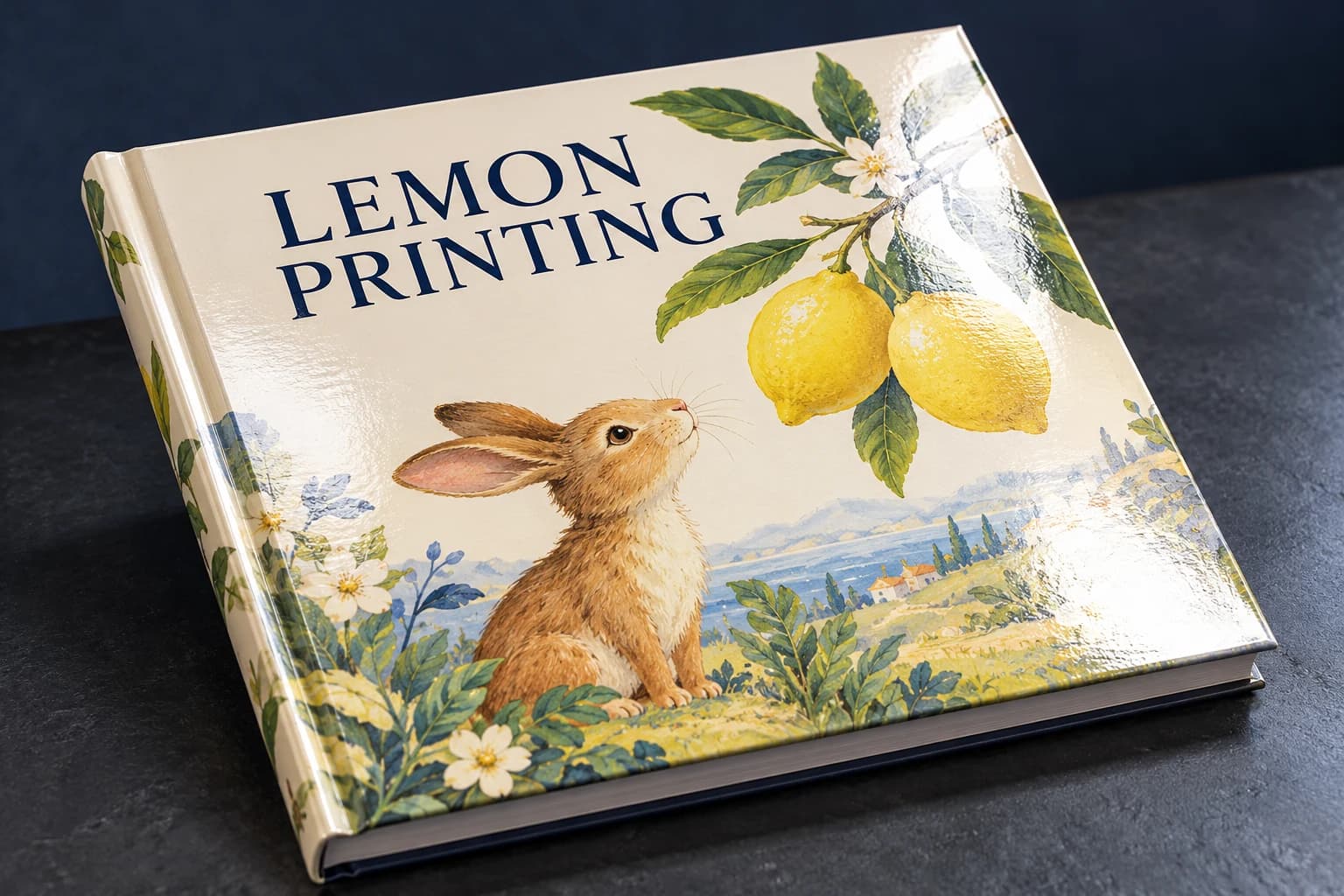
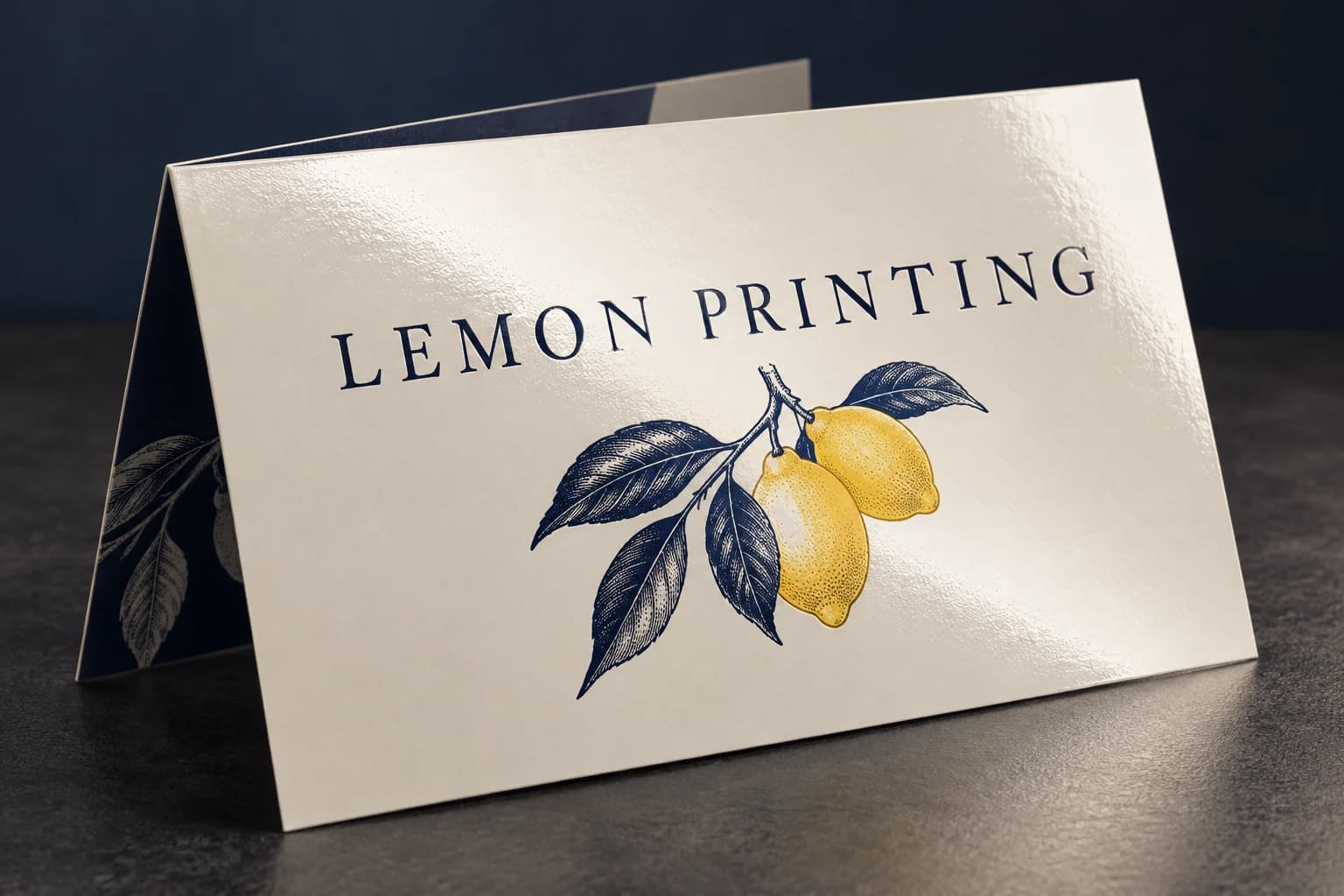
Compare low-glare film and a brighter gloss alternative under the intended lighting. Check creases, trimming and surface cleaning needs. These options do not establish outdoor durability or waterproof performance.
 Matte lamination View effect & artwork guidance
 Gloss lamination View effect & artwork guidance
 Varnish & coating View effect & artwork guidance
Illustrative finish samples, not photographs of this product. Final suitability follows the confirmed stock, construction and approved sample.
Compare all surface finishesConstruction & finishing
Keep Prices Readable and the Surface Fit for Use
Focus the review on small prices, QR use, glare and response to the specified cleaning routine.
01 / SELECTION CHECK
Approve content independently from reproduction
Check prices, names and language against the buyer's current source. Dietary and allergen copy requires buyer validation. A print proof can reveal legibility problems but cannot establish the accuracy of those statements.
02 / SELECTION CHECK
Trial the intended cleaning routine
State cleaning agents, frequency and service environment. Examine the proposed surface and exposed edges after the agreed trial, rather than assuming a protective finish provides universal wipe or moisture resistance.
Menu format & service-condition planning
Choose a format and surface that suit the way staff and guests use it
Menus may be loose sheets, folded cards, bound books or inserts. Select the format around update frequency, table handling, lighting and cleaning procedure; a film finish does not by itself make a menu waterproof or food-safe.
Compare dimensions and usable space
Published reference formats with their selection notes.
A5 · 148 × 210 mm
Compact reading format for a short menu; proof prices and dietary notes under service lighting.
Read every format’s selection note
- A5: 148 × 210 mm. Compact reading format for a short menu; proof prices and dietary notes under service lighting.
- A4: 210 × 297 mm. More room for categories and descriptions; choose a replaceable sheet or protected construction around update frequency.
- A3 flat → A4-sized closed: 420 × 297 mm. A larger two-panel format from a nominal 420 × 297 mm flat sheet; verify fold and cleaning behavior on the finished menu.
- Menu format & page order
- Reading surface / lighting
- Cleaning, replacement & storage
Select the material by its finished behavior
For a folding sheet, compare coated 115 or 170 g/m² reference grades with an uncoated writing surface. A heavier sheet may need scoring and can change closing behavior. GSM measures mass per area, not caliper or foldability.
Production checks that prevent avoidable rework
Choose by update frequency
Use replaceable inserts when prices or availability change often; choose a bound or folded format when a stable, curated menu is more important.
Test legibility under venue lighting
Review type size, contrast and glare on a physical sample under the actual table or counter lighting. Reflective lamination can make some angles difficult to read.
Define cleaning and contact conditions
Tell the supplier what cleaners, moisture and food contact the menu will encounter. Confirm suitability and test the actual material; printed film lamination is not automatically waterproof or food-contact compliant.
Use-case selection
Choose a configuration for the job it has to do
Frequently updated restaurant menu
Use a holder or replaceable insert format and identify a simple page/version system.
Trade-off: Loose inserts can shift, stain or become mixed across tables.
Bar or café drinks list
Use a compact format with readable type and a surface tested under low or reflective lighting.
Trade-off: Dark environments and glare can reduce contrast even when the file is technically correct.
Tasting or event menu
Use a tailored single-use card or folded format with clear course order and any required allergen information supplied by the venue.
Trade-off: Short-run event menus need final content approval close to print.
Problem → cause → solution
Resolve the failure points before production
Edges swell during cleaning
Why it happens: A laminated face was mistaken for a fully sealed, washable assembly.
How to prevent it: Test the finished edges and folds with the actual cleaning product and frequency; use replaceable inserts where frequent changes or wet handling make sense.
Prices and notes become difficult to scan
Why it happens: Long content is squeezed into a small trim or set over distracting backgrounds.
How to prevent it: Proof under service lighting at final size. Give prices, dietary notes and category headings a consistent reading hierarchy.
Alternative formats
When another construction is a better fit
| Alternative | Structural difference | Selection trade-off |
|---|---|---|
| Bi-fold brochure | Folded information handout. | Suitable for short-use information; a service menu also needs exposure and update planning. |
Sampling & production
Choose a Sample That Answers Your Main Concern
A structural sample, a print proof and a finished sample answer different questions. Confirm the sample scope before approval. Free samples are prepared within 15 days; courier arrangements and transit time are separate.
Structure and material sample
Review format and material with the proposed dimensions and component count. Agree whether the sample uses production materials or substitutes. An unprinted construction sample does not approve printed color.
Print and artwork proof
Review representative artwork at finished size on the agreed proof condition. Check content control. A screen proof cannot establish physical feel or the performance of the finished assembly.
Complete finished sample
Assess small prices, QR use, glare and response to the specified cleaning routine with the specified components and finishing present. Record the approved revision and any differences to resolve before production.
How to Order Menu
Send your project brief
Send flat, folded or bound width × height in mm. Specify panels or pages, including inserts and separate price lists. State the number of menus per venue, language and approved price version, delivery destination and required arrival date. Tell us which options are undecided.
Compare the quotation
Ask for pricing by menus per venue, language and approved price version. Compare the same configuration at each quantity. The quotation should identify materials, finishing, sample scope, packing and freight, plus payment and order terms.
Review the right sample
Choose a sample that can demonstrate small prices, QR use, glare and response to the specified cleaning routine. Confirm what the free sample includes and any differences from the intended production specification. Preparation is completed within 15 days; courier arrangements and transit time are separate.
Approve the production version
Confirm the specification, file revision and sample decisions in writing. Production scheduling follows the agreed approvals and order release conditions; changes may require a revised quote or schedule.
Confirm packing and delivery
Pack flat or bound as specified and protect finished edges and surfaces. Label price and language revisions and agree distribution bundles for each venue. Agree the destination and shipping arrangement, with production, dispatch and transit dates listed separately.
Details to Confirm in the Quotation
- Order unit and price breaks
- Specify menus per venue, language and approved price version. Request the feasible minimum and quantity breaks for that exact configuration; a change of material, version or component count can change the price.
- Sample scope and delivery
- State whether you need a material trial, a print proof or a complete finished sample. Free samples are available, with preparation completed within 15 days. Confirm the included materials and processes; courier arrangements and transit time are separate.
- Approval and schedule
- State the required arrival date and whether versions ship together or to separate destinations. The quote must distinguish sample work, production and transit; a requested date is not a confirmed schedule.
- Packing and identification
- Pack flat or bound as specified and protect finished edges and surfaces. Label price and language revisions and agree distribution bundles for each venue.
- 01
Supply approved names, prices, languages and buyer-validated dietary copy under one revision. Identify service format, cleaning requirements and any QR destination with the artwork.
- 02
Use the PDF/X export preset and output condition confirmed with prepress. Embed fonts and identify the approved file revision.
- 03
Check continuous-tone images at about 300 effective pixels per inch (ppi) at their final placed size. Fine linework can require a different resolution or vector artwork.
- 04
Extend trim artwork by 3 mm unless the approved template specifies otherwise. Keep structural, folding and binding clearances separate from trim bleed.
- 05
Identify named spot colors or physical references and the intended substrate. Agree proof acceptance and keep finishing separations distinct. A screen PDF does not approve printed color.
Engineering & purchasing FAQ
Questions Before Ordering Menu
Does lamination make a menu washable under any conditions?
No. The film, edges, seams and cleaning method influence behavior. Describe the intended routine and review a representative sample; surface protection alone does not establish resistance to every cleaner.
How do we manage price and language updates?
Assign each version a revision and quantity and check the complete content source before release. Keep replacements and remaining stock distinguishable so an old menu is not returned to service accidentally.
Which sample should I request first?
Start with the uncertainty that could change the specification: small prices, QR use, glare and response to the specified cleaning routine. If the concern is physical, request the relevant material or functional sample. If it is print appearance, agree a suitable proof. Confirm the sample scope before approval. Free sample preparation is completed within 15 days; courier arrangements and transit time are separate.
How should I state quantities for a quote?
Use menus per venue, language and approved price version. Separate versions and give a delivery destination and required arrival date. This lets the quote distinguish the production quantity, packing and shipping scope.
Your project specification
Plan Your Menu Order
Send flat, folded or bound width × height in mm. Specify panels or pages, including inserts and separate price lists. State the number of menus per venue, language and approved price version, delivery destination and required arrival date. Tell us which options are undecided.
Related formats & guidance
Brochure Printing
A fold sets the order in which a reader encounters headings, images and supporting detail.
Flyer Printing
A clear headline, image and response detail let the handout communicate quickly.
Sticker & Label Printing
Face stock, adhesive and release liner each perform a different part of the label's function.
Quality control
Review sample references, inspection scope and the agreed checks for your order.