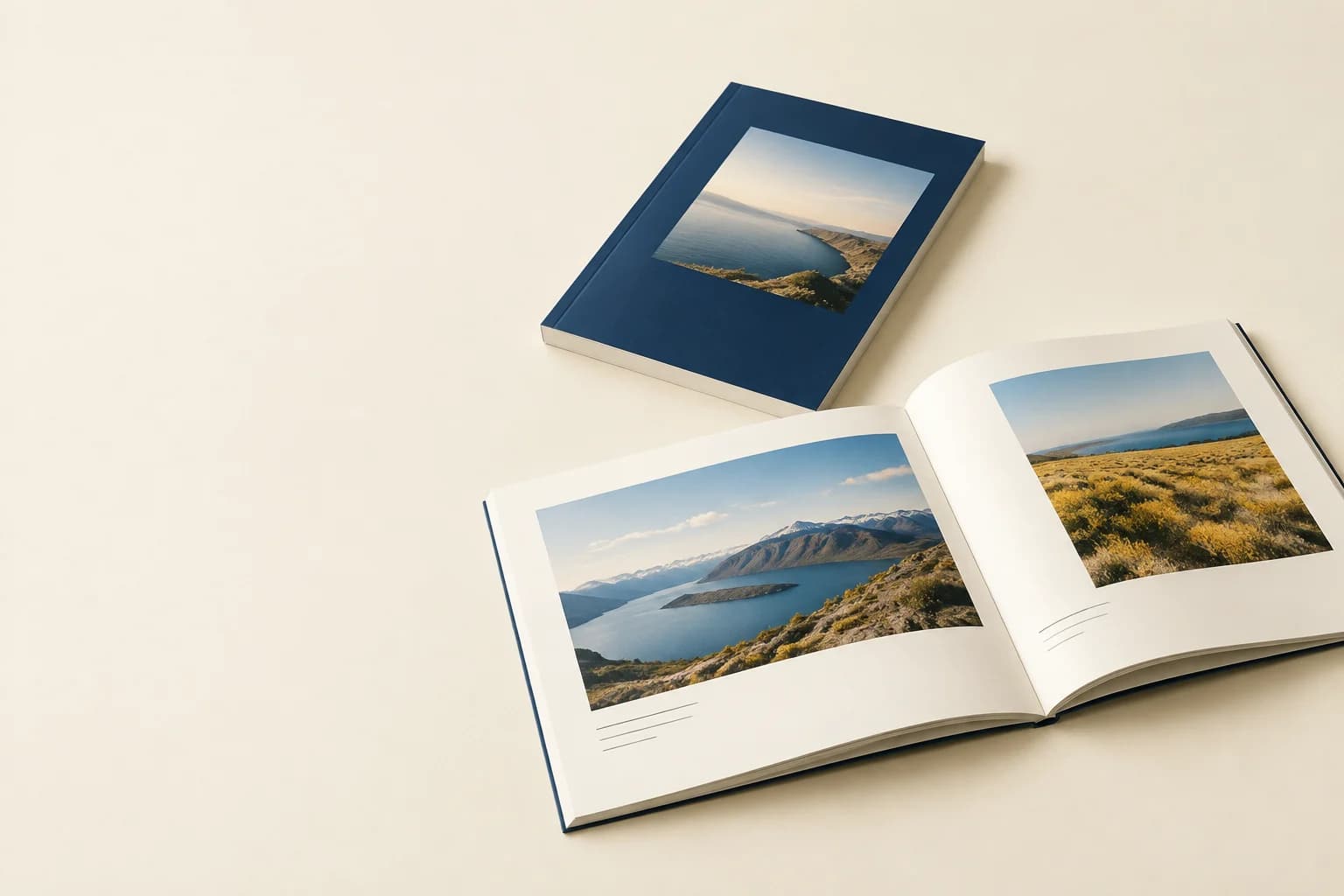
Book Printing · Formats & construction
Portfolio Printing
Present a selected body of work in a printed sequence. Choose paper, image scale and binding around how reviewers will handle the portfolio and compare projects.
- Image-led layouts with readable project captions
- Coated or uncoated paper by reproduction intent
- Paperback, sewn case or punched binding options
Start with the intended use, finished size and quantity. The material and construction can follow.
The product in use
A sequence that explains the work
A portfolio combines images with the context needed to understand them: project role, scale, process and outcome. A compact leave-behind and a substantial interview book serve different purposes. Consistent margins and captions make projects comparable, while a deliberate change of paper or section can distinguish process studies from finished work.
What makes up the finished product?
- Project sequence
- Images and explanatory captions establish the narrative.
- Selected page surface
- The same work appears differently on coated and uncoated sheets.
- Cover and binding
- The outside and spine determine handling and first presentation.
Specifications and materials
Portfolio Printing specifications
Use these reference options to build the project brief. Dimensions are design examples; material availability, tooling and production timing depend on the confirmed specification.
| Parameter | Reference or option | Why it matters |
|---|---|---|
| Format | 210 × 297 or 297 × 210 mm design references | Choose orientation around the dominant images, not by shrinking every project into one template. |
| Image paper | 115, 150 or 170 g/m² coated reference grades | More mass increases the complete book’s handling weight. |
| Textured alternative | Uncoated image grade selected by proof | Paper tone and surface change contrast and fine detail. |
| Binding | Paperback, sewn case or punched binding | Compare gutter loss, opening, shelf spine and exposed binding. |
| Layout files | Reading-order pages with captions and project sequence | Provide critical crossovers separately as viewing references, not imposed print sheets. |
Compare the material and its effect.
Choose the surface and construction for the way the finished product will be used. The options below are selection references, not a guaranteed inventory list.
Coated image stock
115, 150 or 170 g/m² references
Supports photographic and fine-line reproduction.
Sample check: Compare neutral tones and small captions.
Uncoated image stock
Grade selected for the work
Adds a visible paper character and changes image contrast.
Sample check: Approve the reproduction on the actual surface.
Cover construction
Printed card or wrapped case
Changes carry weight and repeated-use behavior.
Sample check: Open a representative bound copy.
Selected sample focus — Coated image stock: Compare neutral tones and small captions.
Format & usable space
Portfolio Printing: Format & Configuration
210 × 297 mm
A4 reference keeps plans and captions readable in a familiar hand-held format.
This is a design reference, not a required size or a manufacturing limit.
Presentation setting
Leave-behind versus interview copy
Keep distributed copies compact and repeatable; use a larger casebound copy when shared viewing and repeat handling justify it.
See the trim proportions.
These are publishing references, not required sizes. Compare the usable page shape before adapting an existing layout.
Selected: Portable portfolio. Proportions only; not actual size.
Trim dimensions describe the cut page. Artwork bleed, cover overhang, tabs and modules are separate allowances.
View the original format reference
Surface finish options
Printed covers and jackets
Choose the finish for the printed cover or jacket, not automatically for the interior. Check color, rub marks, hinges and compatibility with the cover stock. Cloth and synthetic wraps need a separate material trial.
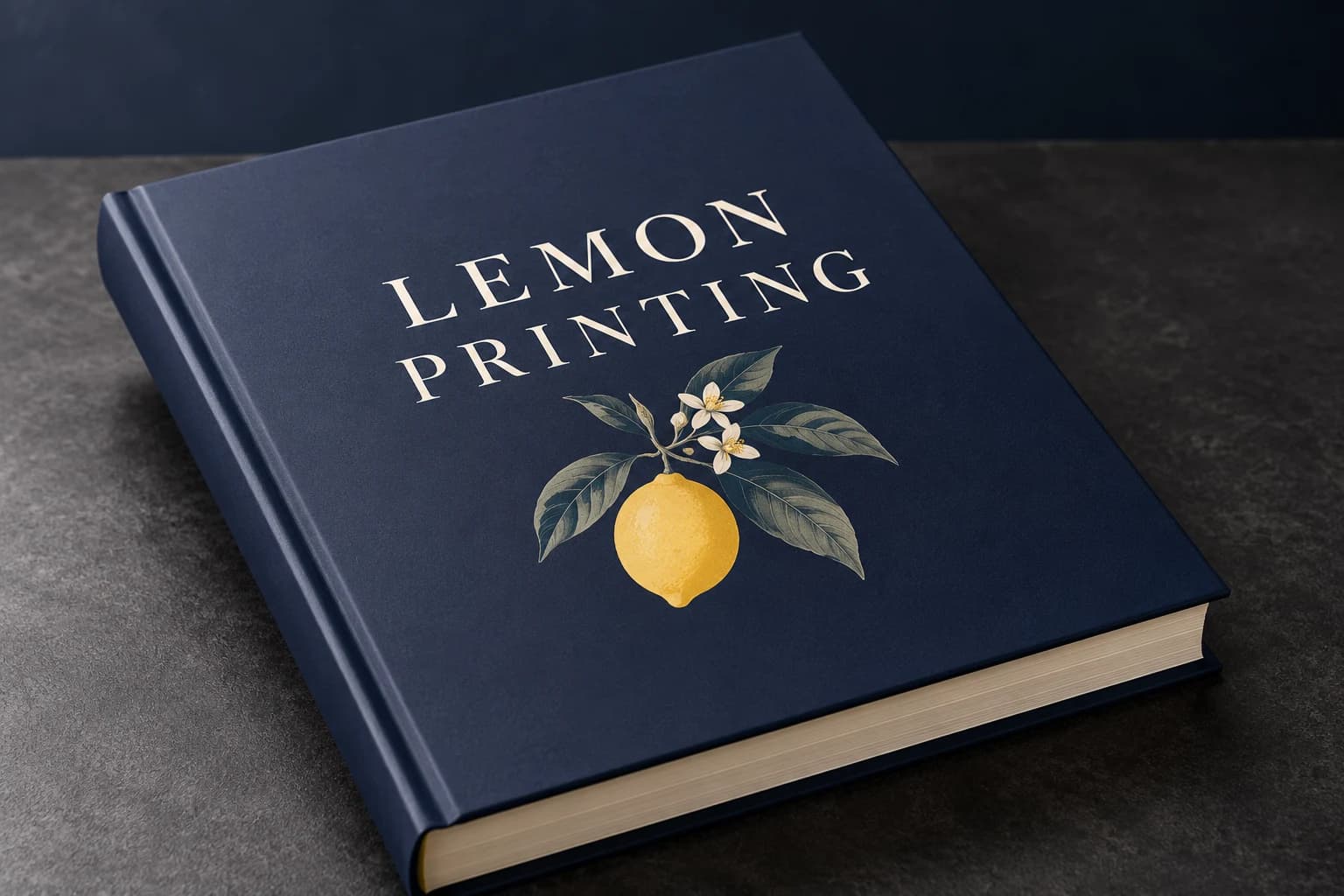 Matte lamination View effect & artwork guidance
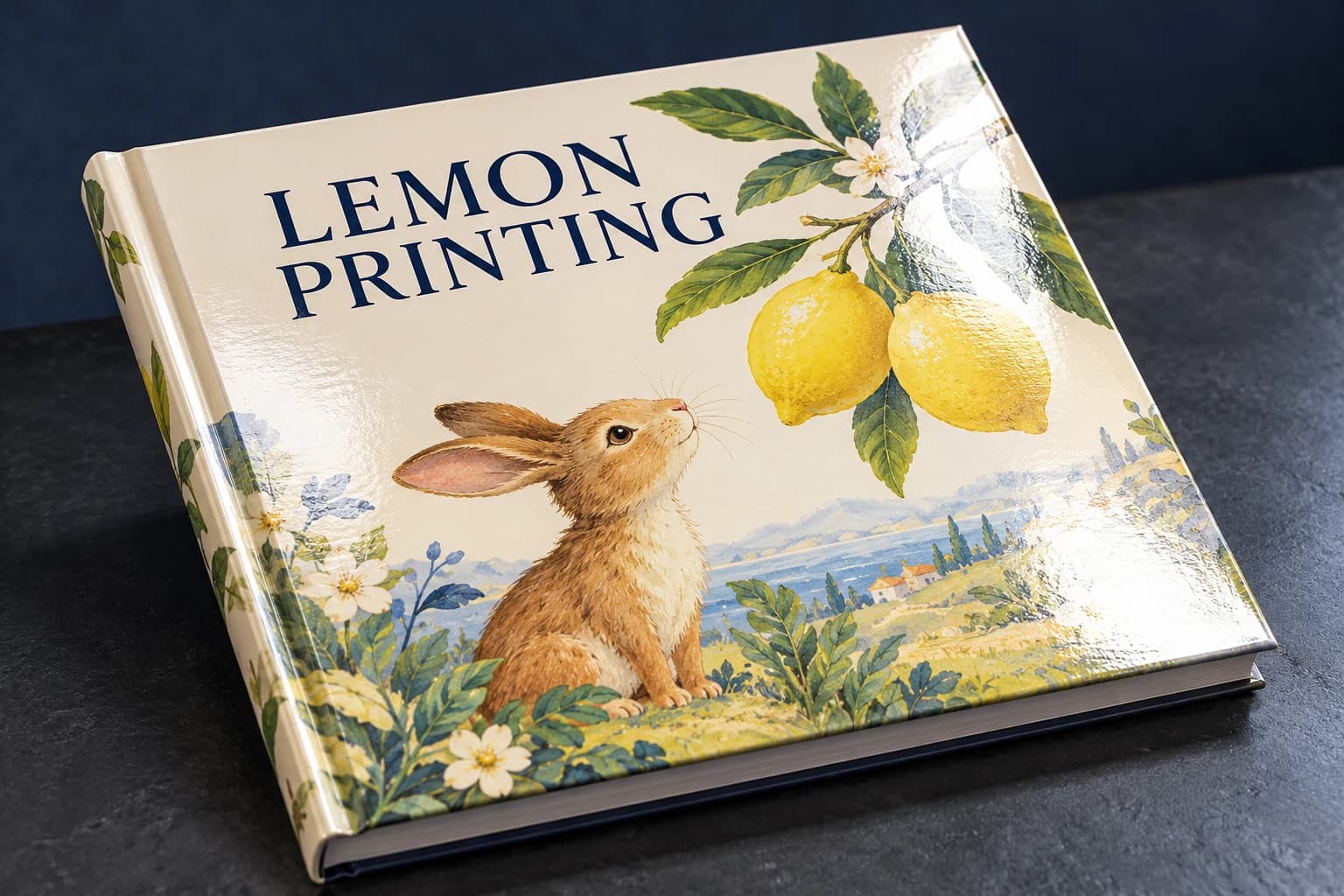 Gloss lamination View effect & artwork guidance
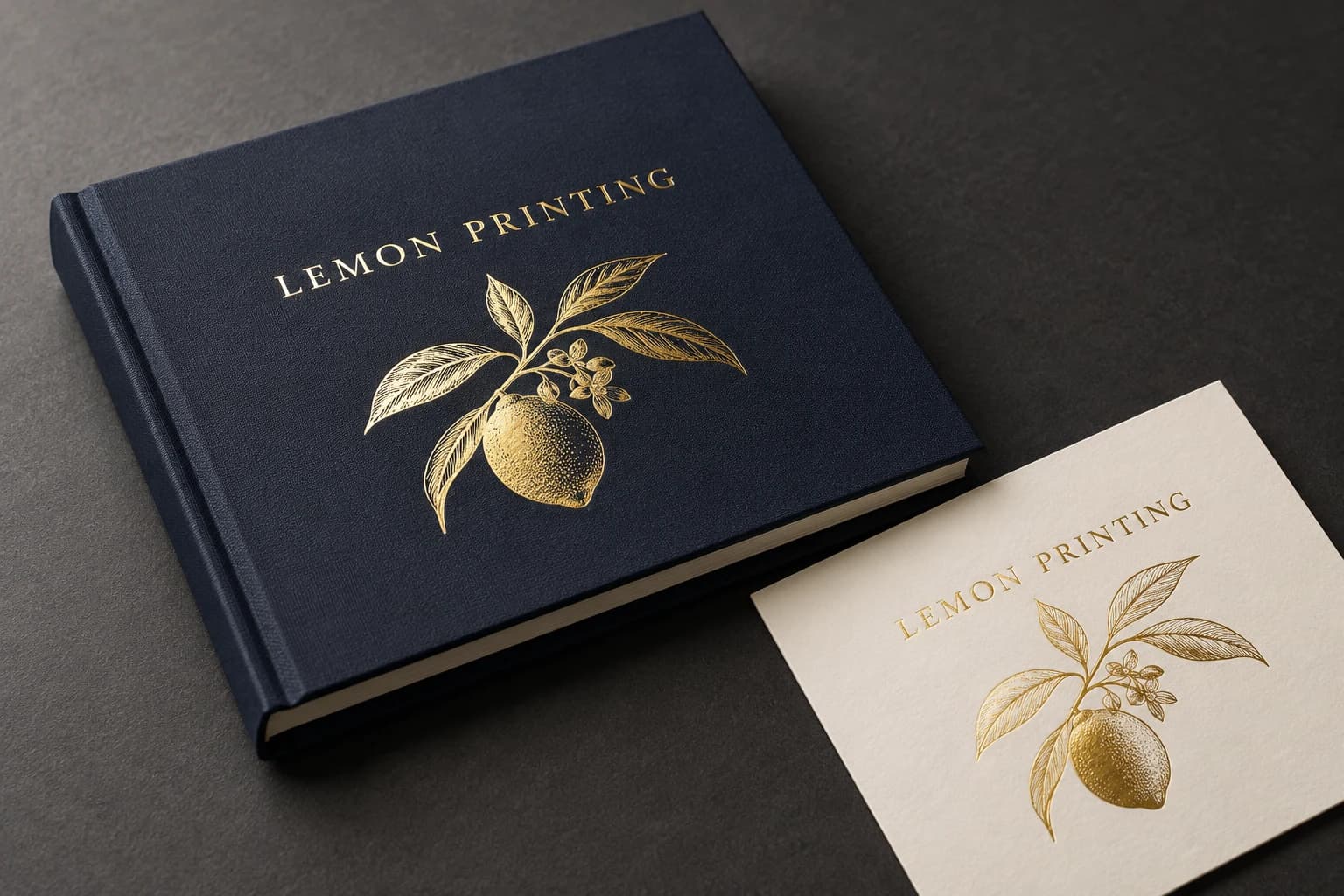 Gold foil stamping View effect & artwork guidance
 Spot UV View effect & artwork guidance
Illustrative finish samples, not photographs of this product. Final suitability follows the confirmed stock, construction and approved sample.
Compare all surface finishes
Details that change the finished product
Preserve scale, sequence and the gutter
Proof one demanding project
Use a page with light linework, dark photographs and small captions. It tests more than a saturated cover image alone.
Build the viewing sequence
Place project starts, section changes and deliberate blanks in the reading-order PDF. Binding choices may change how spreads are encountered.
Choose opening before enlarging images
A larger trim does not recover detail hidden in the gutter. Compare the same spread in the proposed binding.
Portfolio Printing: Uses & Configurations
Architecture
Combine selected plans with detail enlargements and a clear statement of your role.
Design review
Keep process and finished work distinguishable through hierarchy and project pacing.
Photography
Use a consistent image sequence and proof neutral or shadow-rich images on the selected paper.
Solve the risk before production
Portfolio Printing: Finished-Product Checks
The critical finished-product check
A spread can hide the most important part of a drawing in the gutter. Keep dimensions, faces and fine annotations away from the join, then assess a bound sample at the final image scale.
Plans become unreadable
Why it happens: Large drawings are reduced without reconsidering line weights and captions.
Fix and check: Proof at finished size; enlarge selected details rather than retaining an illegible complete drawing.
One paper obscures project differences
Why it happens: A decorative surface is chosen before comparing all image types.
Fix and check: Test both line drawings and photographs on the candidate paper.
When to choose another format
Alternatives to Portfolio Printing
| Alternative | Use and trade-off |
|---|---|
| Art Book Printing | An art book develops a publication-length viewing sequence; a portfolio selects work around a specific reviewer or opportunity. |
| Brochure Printing | A brochure favors compact messaging and distribution; a portfolio gives individual projects more evidence and context. |
Sample and approval
Sample & Proof Checks for Portfolio Printing
Free samples are available, with preparation completed within 15 days. Confirm the sample scope; courier arrangements and transit time are separate.
Structural sample
Checks dimensions, fit and assembly using unprinted or representative materials. It does not establish final color.
Printed proof
Checks text, image reproduction and artwork on the agreed proof medium. It may not reproduce final assembly or every finish.
Complete finished sample
Review captions at normal reading distance, fine drawing lines, neutral images, page order and critical crossovers in the bound format.
From brief to delivery
Order Details for Portfolio Printing
Build and approve the order in five steps
Define the viewing use
Identify interview copies, leave-behinds or posted submissions.
Fix the project sequence
Supply trim, page count, captions and critical spreads.
Compare paper and binding
Proof a demanding project on the proposed surface and bound format.
Approve the final edition
Record page sequence, cover revision and printed proof scope.
Pack for distribution
Separate versions and protect copies according to their individual mailing or bulk destination.
- Export final-size reading-order pages with embedded fonts and the agreed print preset.
- Use 3 mm page bleed as an initial design reference; follow the final cover template for spine and folds.
- Keep image credits, role labels and scale information readable at the finished size.
Project questions
Planning Portfolio Printing
Should every project use the same number of pages?
No. Allocate space to the evidence needed to explain each project; a rigid equal-page rule can weaken both simple and complex work.
Can a portfolio contain full-bleed images?
Yes. Extend edge images into the specified bleed and keep critical details clear of trim and binding areas.
Which binding is best for crossovers?
Compare an actual spread in the proposed binding. A sewn case can open well, but it is not automatically an unrestricted lay-flat construction.
Will thicker paper make every portfolio better?
No. It increases block thickness and weight and may change opening. Choose opacity, surface and handling for the page plan.
Specify the finished product.
Send trim, project count, page count, quantity and intended use. Identify crossovers, image-critical pages, cover style and whether copies are posted or carried to presentations.