Packaging Box Printing · Formats & construction
Board Game Box Printing
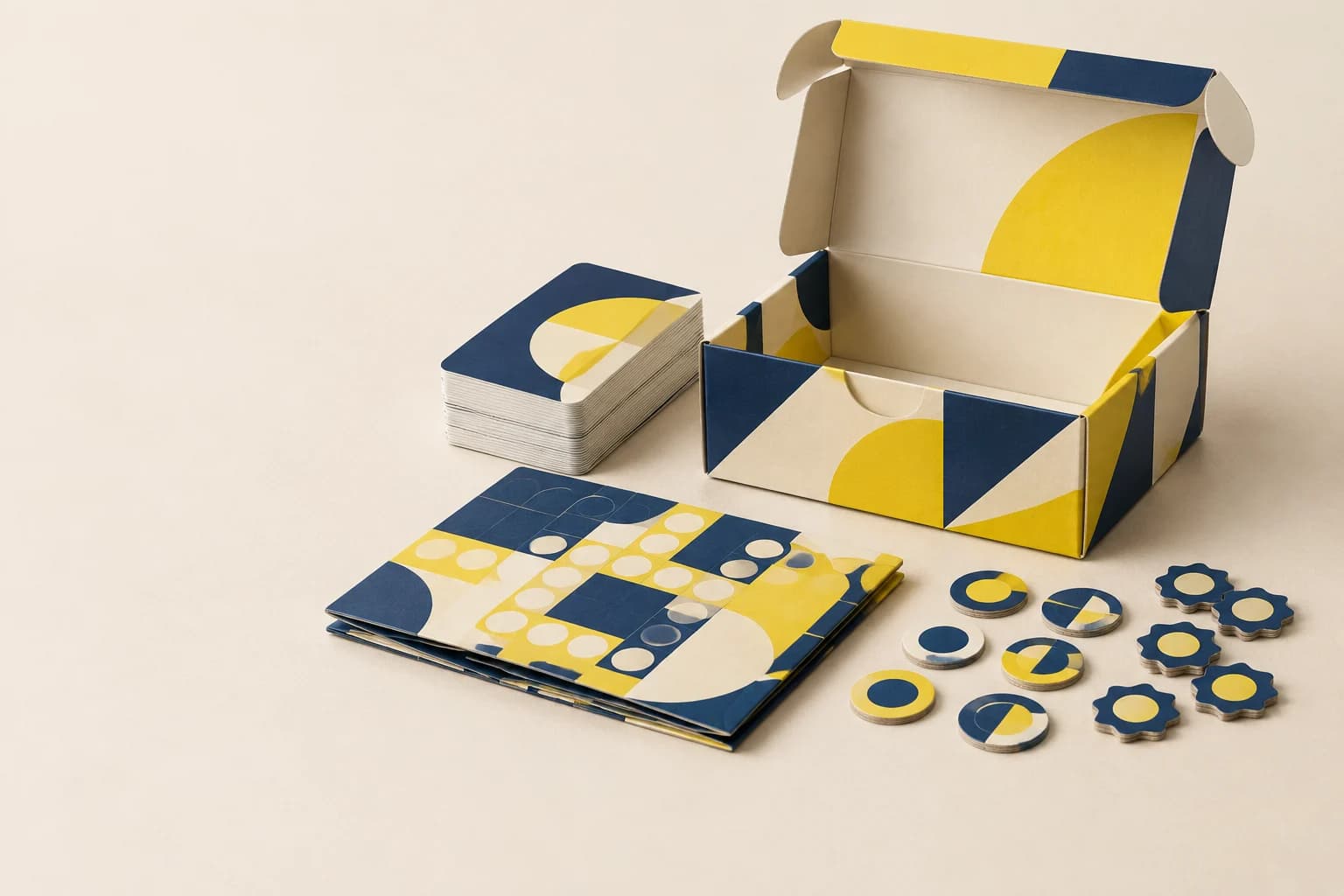
Size the game box around the complete packed component set. Folding card or corrugated constructions can organize the game for retail, storage and repeated setup.
- Box sized from the packed component set
- Folding paperboard or corrugated structure
- Partitions and inserts planned with repeated use
Start with the intended use, finished size and quantity. The material and construction can follow.
The product in use
The component set defines the box
A game box must hold more than a list of component dimensions. Folded boards, card sleeves, rulebooks, bags and future expansions change the packed stack. The internal layout should let players remove and return parts without forcing the closure. This page covers folding paperboard and corrugated options; it does not promise a rigid wrapped presentation case.
What makes up the finished product?
- Printed enclosure
- Folding card or corrugated panels provide the agreed closure and outer appearance.
- Internal arrangement
- Partitions or inserts locate the game’s individual components.
- Complete packed set
- Every component and its storage condition determine fit and packed weight.
Specifications and materials
Board Game Box Printing specifications
Use these reference options to build the project brief. Dimensions are design examples; material availability, tooling and production timing depend on the confirmed specification.
| Parameter | Reference or option | Why it matters |
|---|---|---|
| Size convention | Internal length × width × depth; external size derived from structure | An external retail size alone does not prove usable internal volume. |
| Board construction | Folding paperboard or corrugated board selected for the packed set | Stiffness and caliper must suit span, weight and closure. |
| Components | Boards, cards, rulebook, sleeves, bags and accessories | Include the storage state after first use, not just the factory pack. |
| Internal fit | Paperboard partitions, pockets or folded insert | Provide finger access and a clear return-to-box arrangement. |
| Supply unit | Box-only, box-plus-insert or agreed packed assembly | List who supplies and checks each component. |
Compare the material and its effect.
Choose the surface and construction for the way the finished product will be used. The options below are selection references, not a guaranteed inventory list.
Folding paperboard
Grade selected by stiffness and caliper
Can form a compact printed enclosure.
Sample check: Test the span, closure and repeated folding with the actual contents.
Corrugated board
Flute and liner combination selected for the set
Adds a fluted structure and changes external dimensions.
Sample check: Judge board grade and packed performance together.
Folded paper insert
Cut and creased pockets or partitions
Organizes components and can support repeat setup.
Sample check: Test removal, repacking and finger access.
Selected sample focus — Folding paperboard: Test the span, closure and repeated folding with the actual contents.
Format & usable space
Board Game Box Printing: Format & Configuration
250 × 250 × 60 mm internal
Illustrative internal envelope for planning a compact set; it is not a standard or ready-made template.
This is a design reference, not a required size or a manufacturing limit.
Fit-check example
Sleeved deck plus folded board plus rulebook
Size the compartments from the assembled stack, including sleeve growth and removal space; derive external dimensions only after selecting the construction.
Example component envelope
250 × 250 × 60 mm internal
Illustrative internal envelope for planning a compact set; it is not a standard or ready-made template.
Project-specific fit
Internal length × width × depth in mm
Measure the packed set and handling clearances before deriving the external dimensions.
View the original format reference
Surface finish options
Exterior printed panels or wrap
Discuss film, selective gloss and metallic accents on the exterior. Keep glue areas clear and avoid hinges, seams and creases unless tested. For relief, confirm the wrap or board construction, reverse-side effect and tooling separately.
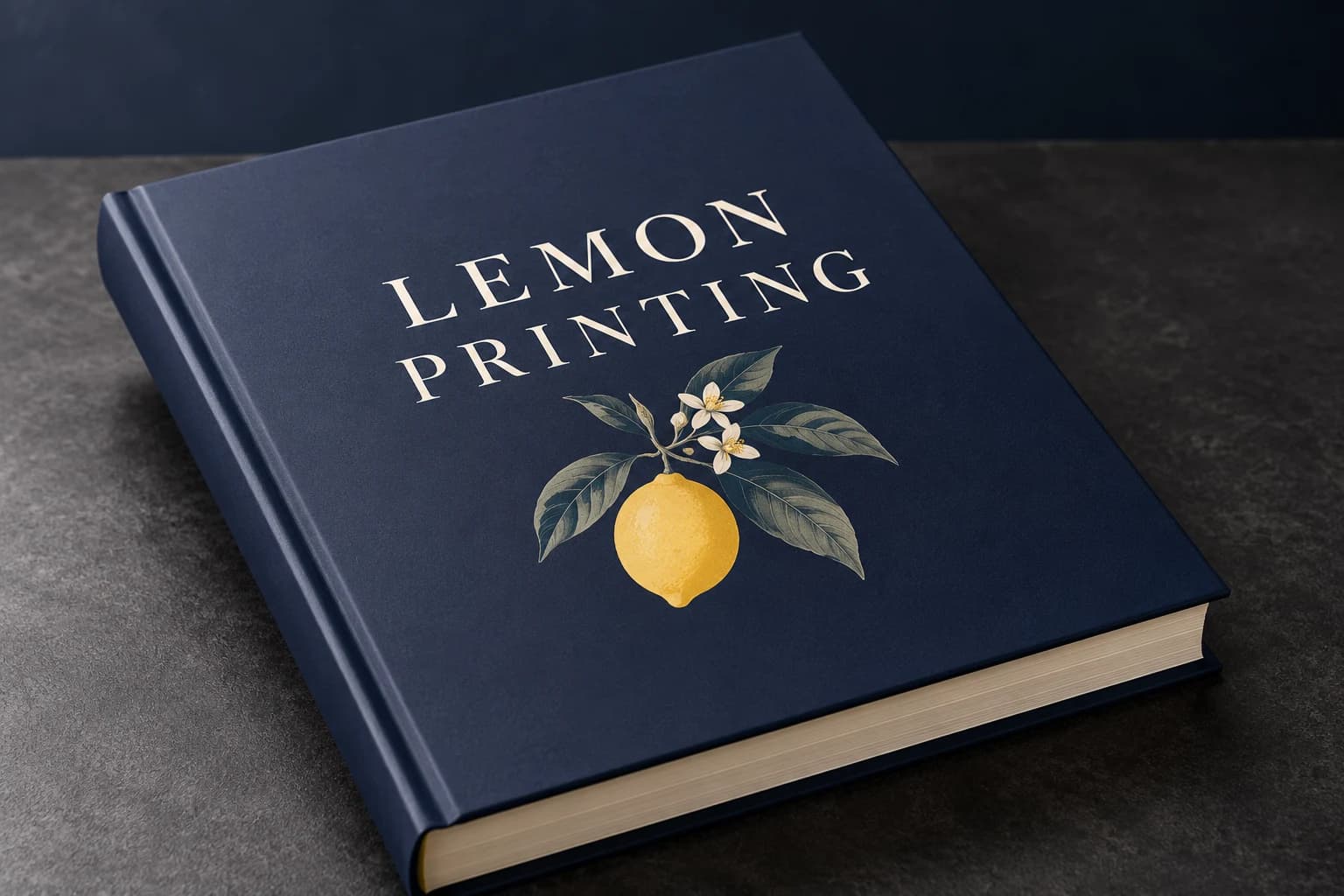 Matte lamination View effect & artwork guidance
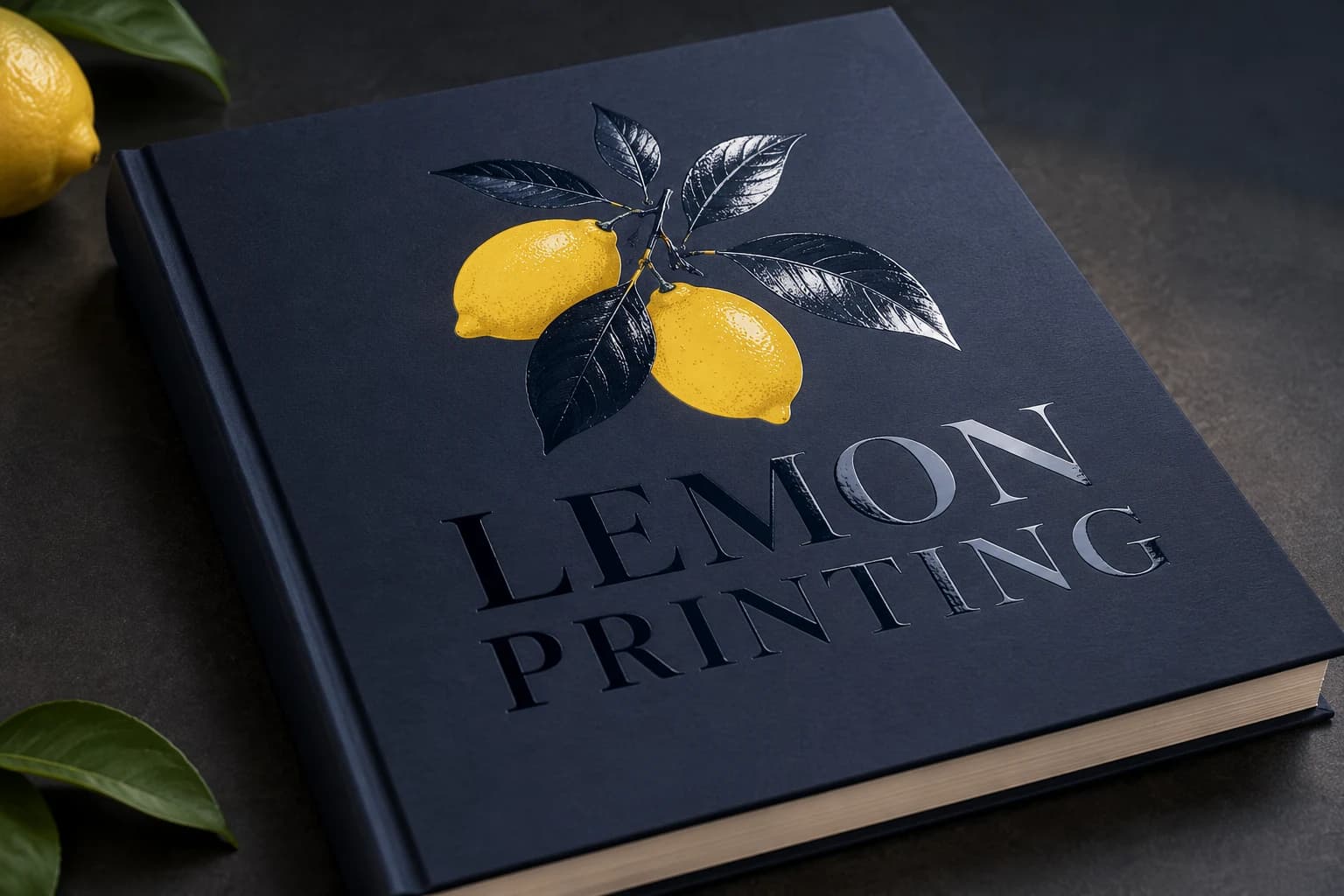 Spot UV View effect & artwork guidance
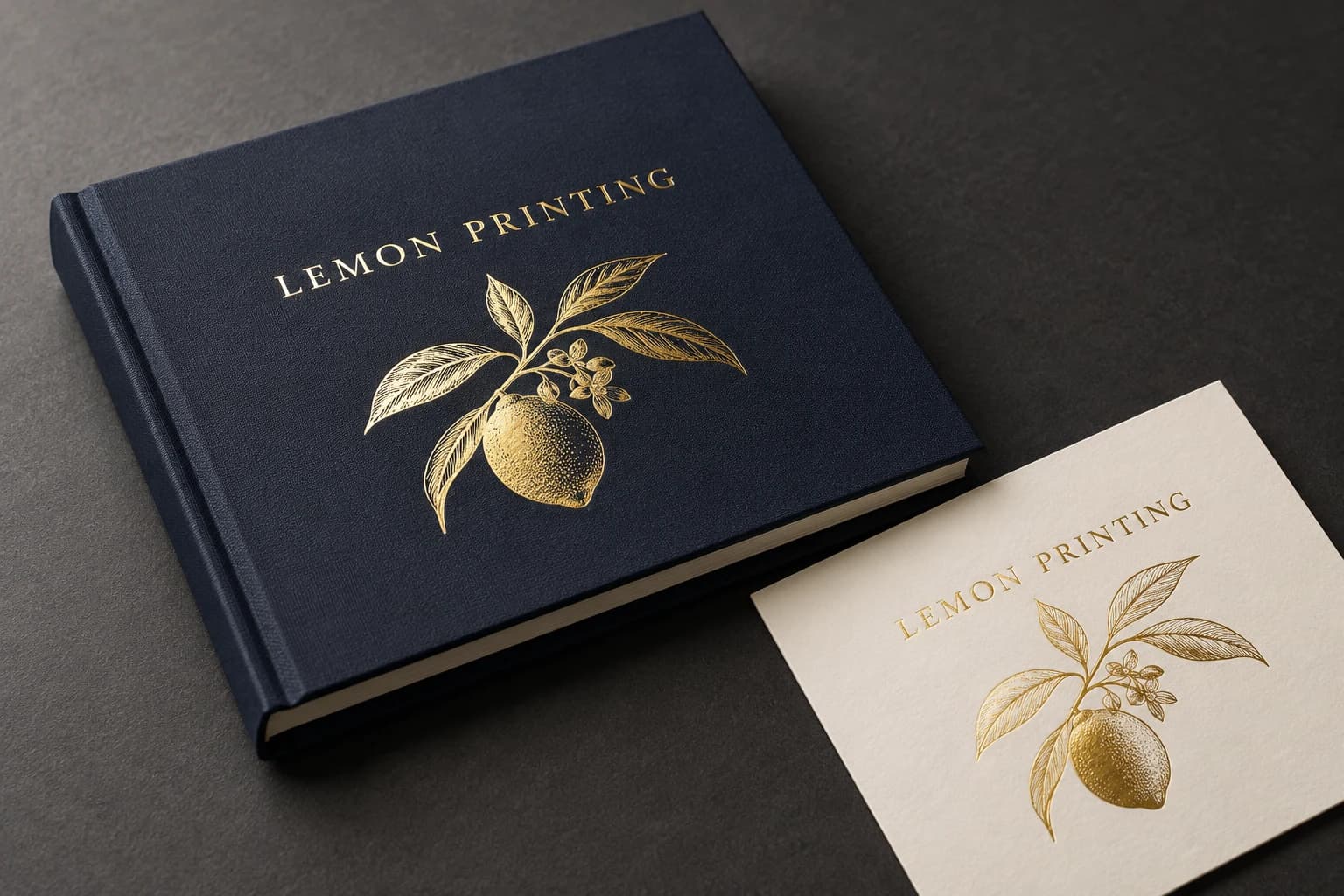 Gold foil stamping View effect & artwork guidance
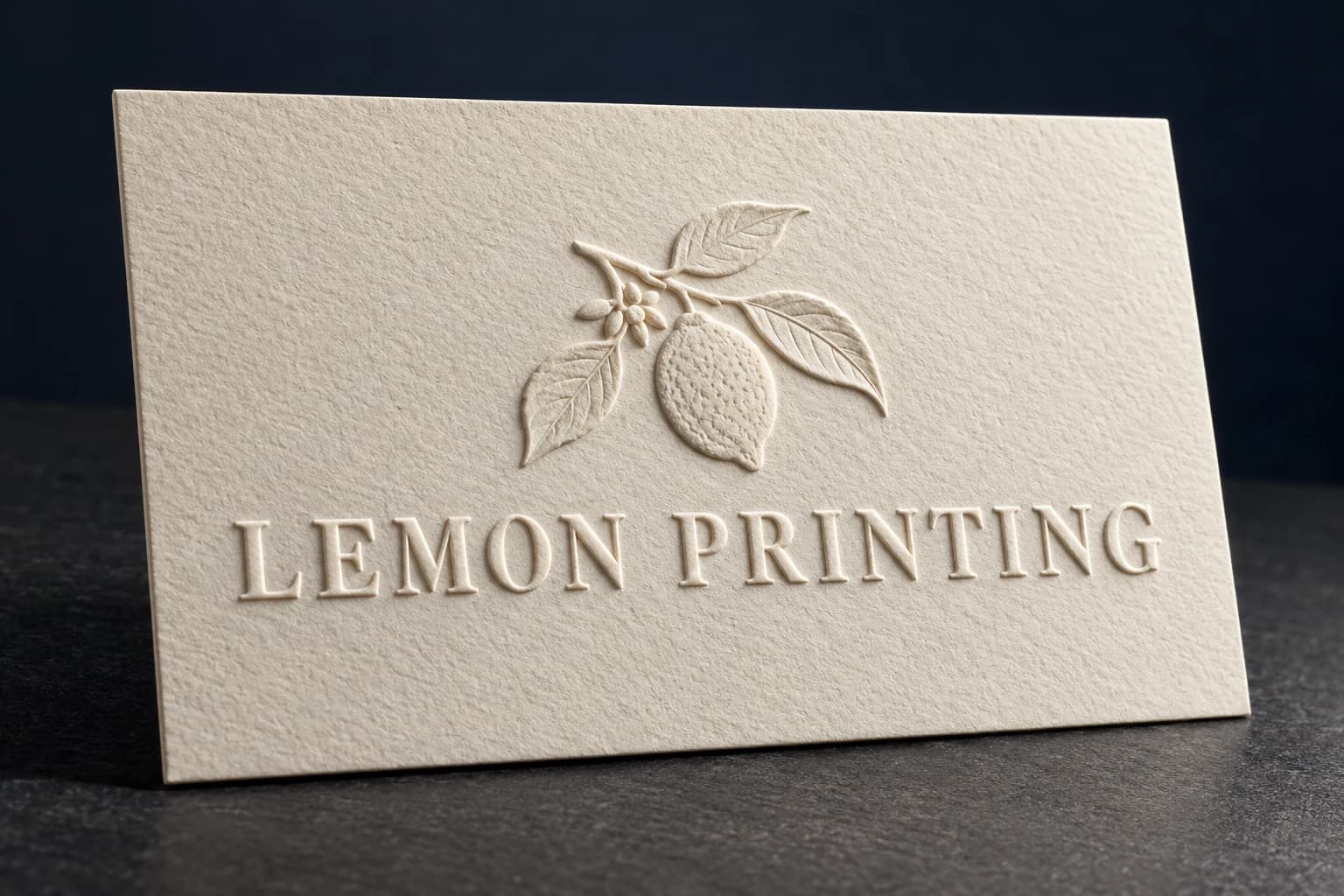 Embossing View effect & artwork guidance
Illustrative finish samples, not photographs of this product. Final suitability follows the confirmed stock, construction and approved sample.
Compare all surface finishes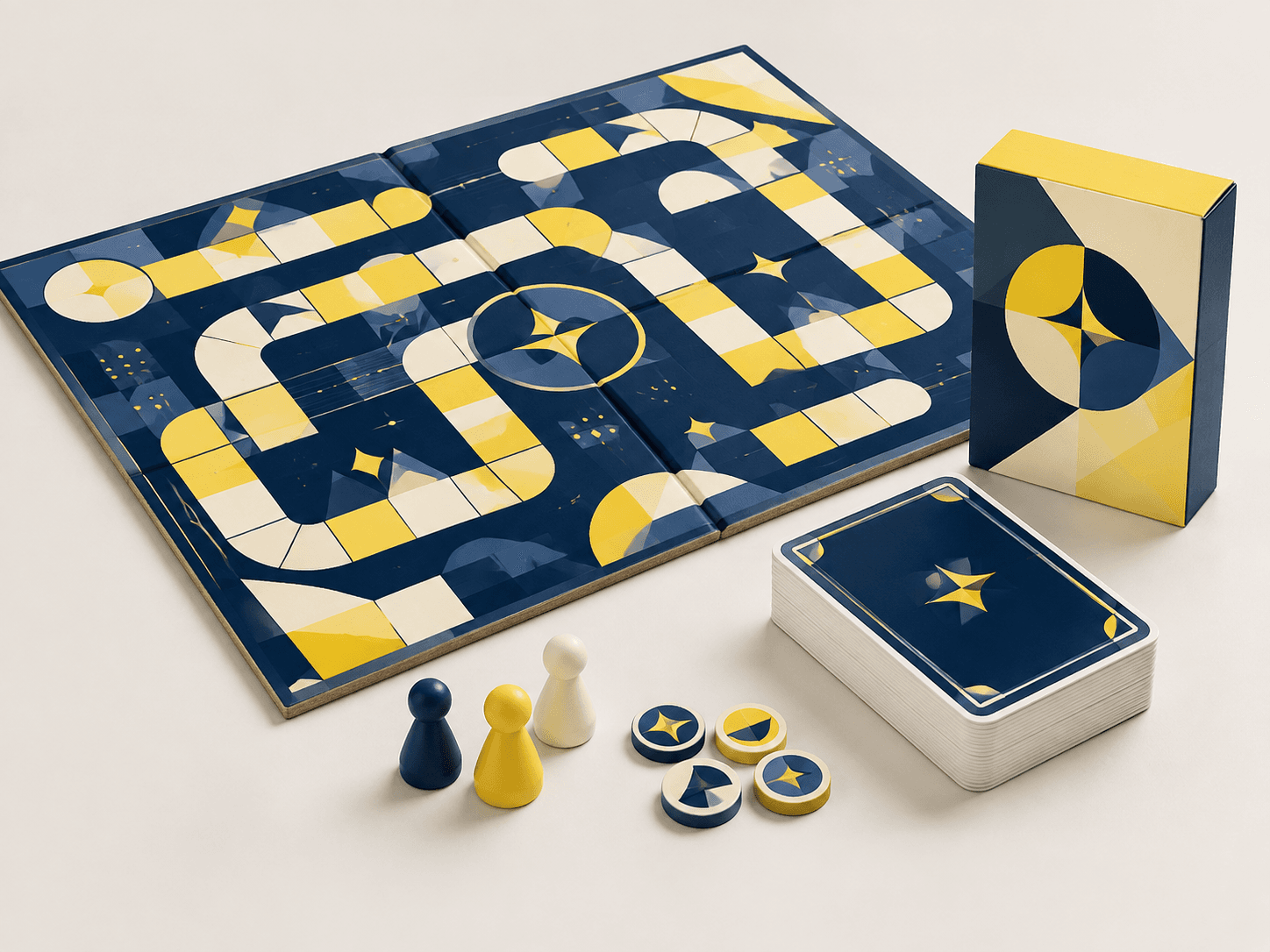
Details that change the finished product
Fit, opening and repacking belong in one design
Build around the packed set
Arrange real components before finalizing the dieline. The folded board and sleeved deck may establish different controlling dimensions.
Make parts easy to retrieve
An insert should locate components without trapping them. Finger notches and lift access need to work with the smallest and heaviest parts.
Protect the box beyond the shelf
Retail packaging and parcel shipping serve different hazards. Evaluate the packed game and any outer shipper together.
Board Game Box Printing: Uses & Configurations
Card-led games
Account for sleeves, rule sheets and easy deck removal.
Board-and-token sets
Plan the folded board position and separate small components.
Expansion packs
Size the edition for its actual parts and state whether storage in the base game is intended.
Solve the risk before production
Board Game Box Printing: Finished-Product Checks
The critical finished-product check
The prototype fits unsleeved cards but will not close after players add sleeves. Measure the intended storage condition, include bags and accessories, and approve a fully packed sample.
The lid lifts after use
Why it happens: Sleeves, bags or added pieces exceed the original stack.
Fix and check: Build a sample in the intended storage condition and revise compartment depths.
Small parts migrate between sections
Why it happens: The insert has gaps or insufficient restraint.
Fix and check: Test inversion and handling of the packed prototype and adjust the partitions.
When to choose another format
Alternatives to Board Game Box Printing
| Alternative | Use and trade-off |
|---|---|
| Game Board Printing | A game board is the playing surface; its folded size becomes one input to the box design. |
| Folding Carton Printing | A folding carton can suit an appropriate component load; a larger or heavier set may need a different grade and structure. |
Sample and approval
Sample & Proof Checks for Board Game Box Printing
Free samples are available, with preparation completed within 15 days. Confirm the sample scope; courier arrangements and transit time are separate.
Structural sample
Checks dimensions, fit and assembly using unprinted or representative materials. It does not establish final color.
Printed proof
Checks text, image reproduction and artwork on the agreed proof medium. It may not reproduce final assembly or every finish.
Complete finished sample
Pack the complete intended set, remove and return every item, close the box without force and check orientation, surface rub and any outer shipping package.
From brief to delivery
Order Details for Board Game Box Printing
Build and approve the order in five steps
List the complete set
State component scope, packed weight, versions and quantities.
Plan the packed layout
Measure sleeves, folded boards and removal spaces before the dieline.
Approve a filled prototype
Remove, return and close every component in the intended storage state.
Freeze construction and print
Approve the dieline revision, materials, insert and panel artwork together.
Define the shipping unit
State flat or erected supply, packed assembly and outer protection by destination.
- Start exterior print from the approved structural dieline with separate cut, crease and glue information.
- Label panel orientation and keep critical images, text and codes clear of folds and closure features.
- Supply a component list and packed arrangement alongside the artwork; a flat print proof cannot approve component fit.
Project questions
Planning Board Game Box Printing
Can a component list establish the final box size?
It is the starting point. Real packed thickness, sleeves, bags and handling clearances determine the usable internal arrangement.
Is a retail game box also a shipping box?
Not automatically. Evaluate the complete product, retail package and outer shipping protection for the distribution route.
Can inserts hold cards with sleeves?
Yes when the design uses the intended sleeve dimensions and deck thickness. A bare-card mockup cannot establish that fit.
Do you supply rigid wrapped game cases?
This page specifies folding paperboard and corrugated constructions. A rigid presentation-case capability is not assumed from these options.
Specify the finished product.
Send the full component inventory, physical samples or dimensioned files, packed weight, internal arrangement and quantities. Identify whether supply is boxes only, inserts or assembled sets.