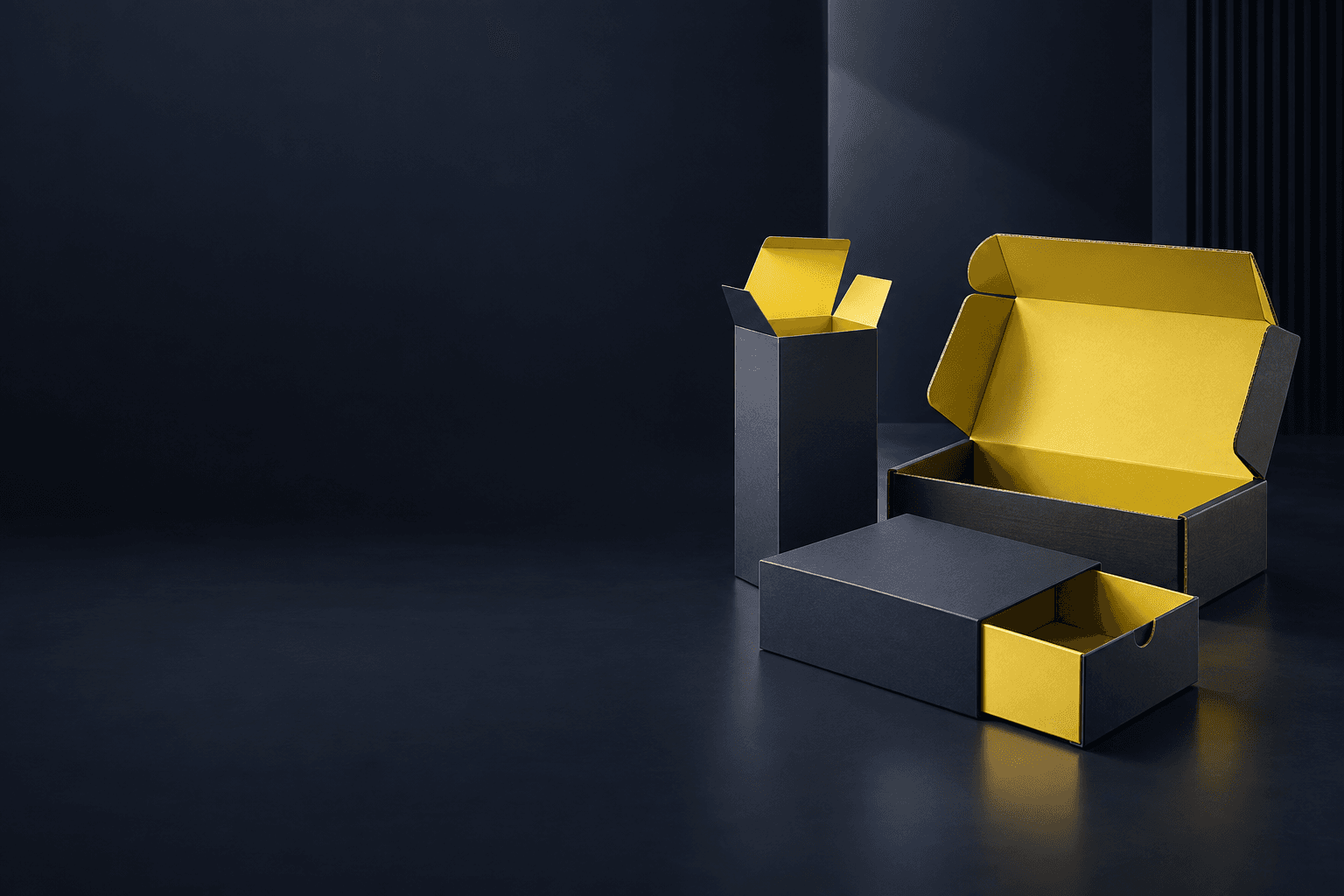
Pack structure & fit engineering
Custom Packaging Box Printing
Custom boxes suit brands balancing product fit, presentation and distribution. Folding cartons, rigid boxes and corrugated mailers need different material and structural specifications.
- Folding carton
- Rigid box
- Corrugated mailer
Illustrative product configuration
Product overview
Start with the structure around the product.
A folding carton closes from a scored paperboard blank; a rigid box keeps a fixed mounted shape; a corrugated mailer adds fluted board between liners. These structures serve different presentation and distribution roles. Internal fit, removal clearance and insert contact points should follow the contents. The outside dimensions and packed shipping assembly are separate engineering decisions.
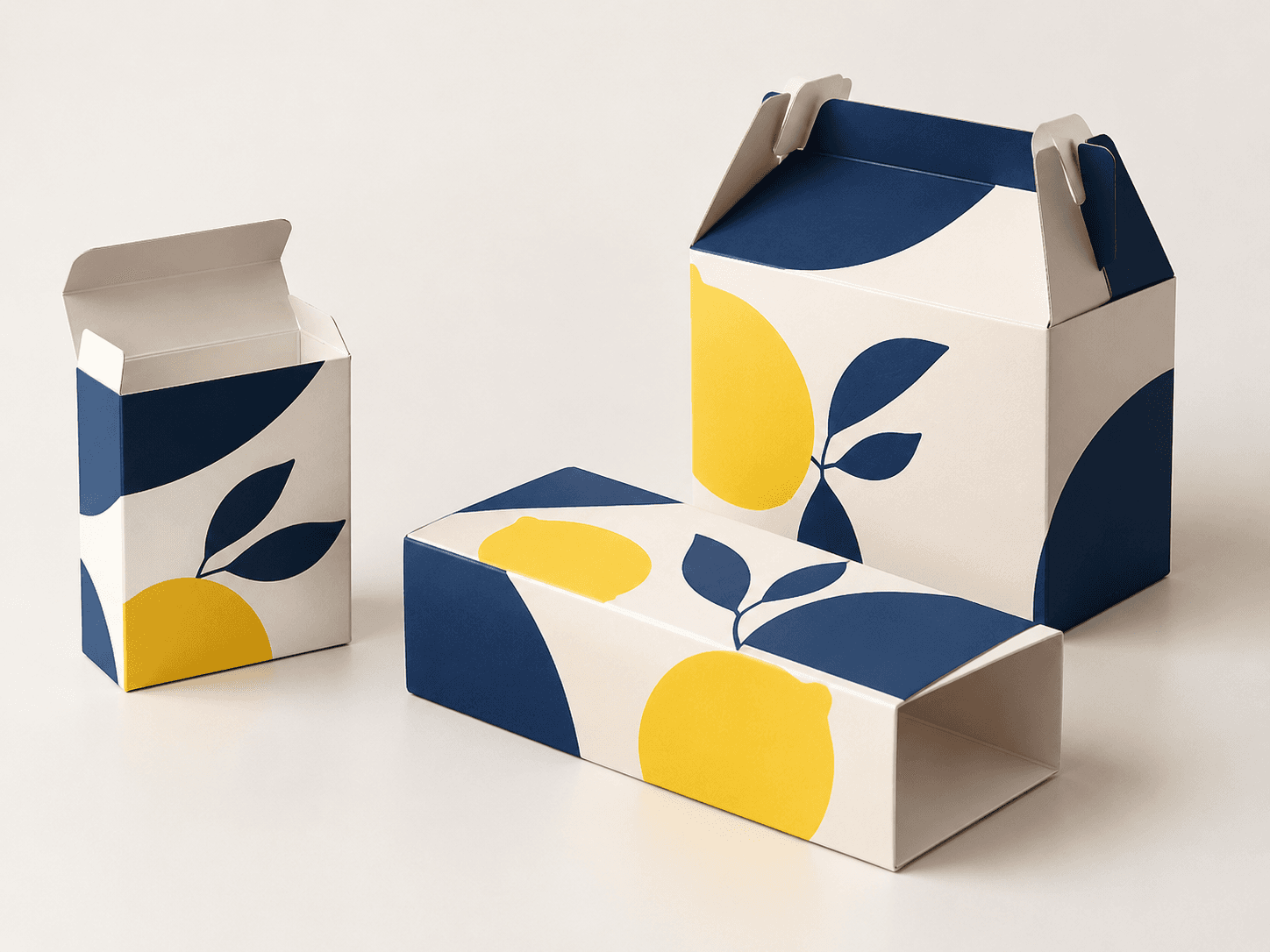
Folding carton
Scored board folds from a flat blank into a retail pack.
Rigid box
Mounted board holds a fixed shape, with a wrap and selected closure completing the presentation.
Corrugated mailer
A fluted layer between liners adds a different construction for shipping-oriented packs.
Specifications & materials
Choose the Box Structure Before the Print Finish
Start with internal length × width × height in mm; external limits separately. Then compare the material and construction choices below.
Use these options to prepare your specification. Material grades, weights, thicknesses and feasible dimensions are confirmed for the quoted construction. A paper weight is not a finished thickness or a strength rating.
| Parameter | Options or Information to Supply | Why It Matters |
|---|---|---|
| Finished dimensions | Small carton face example: 100 × 150 mm; Wide carton face example: 180 × 120 mm | Illustrative face dimensions only. Quote the contents-led internal length × width × height separately from external size. |
| Format and component count | Boxes per structure; inserts and sleeves per complete pack | Identify one complete finished item and its versions; list inserts, covers or supporting components separately. |
| Structure | Folding carton, rigid box or corrugated mailer for review | Choose from the contents, assembly method and distribution role. |
| Material | Folding board, wrapped rigid board or specified corrugated construction | Confirm grade and caliper after the structure is chosen; flute name alone does not prove shipping strength. |
| Insert and closure | Paperboard insert, partitions or another quoted solution | Provide the contents dimensions and weight, and check removal as well as retention. |
| Printing and finish | Printed surfaces and compatible finish for the chosen structure | Use the approved dieline and keep glue or assembly areas functional. |
Swipe the table to compare selection checks.
Compare materials and construction
Choose around the intended use. These are alternatives to discuss, subject to the confirmed specification.
Folding carton board
- Suitable for
- A flat-supplied carton assembled around the product.
- Check before selection
- Check crease quality and closure using the product's internal fit dimensions.
Rigid or corrugated construction
- Suitable for
- A quoted presentation case or protective structure.
- Check before selection
- Treat these as different builds; confirm inner dimensions, inserts and transport requirements separately.
Surface finish options
Exterior printed panels or wrap
Discuss film, selective gloss and metallic accents on the exterior. Keep glue areas clear and avoid hinges, seams and creases unless tested. For relief, confirm the wrap or board construction, reverse-side effect and tooling separately.
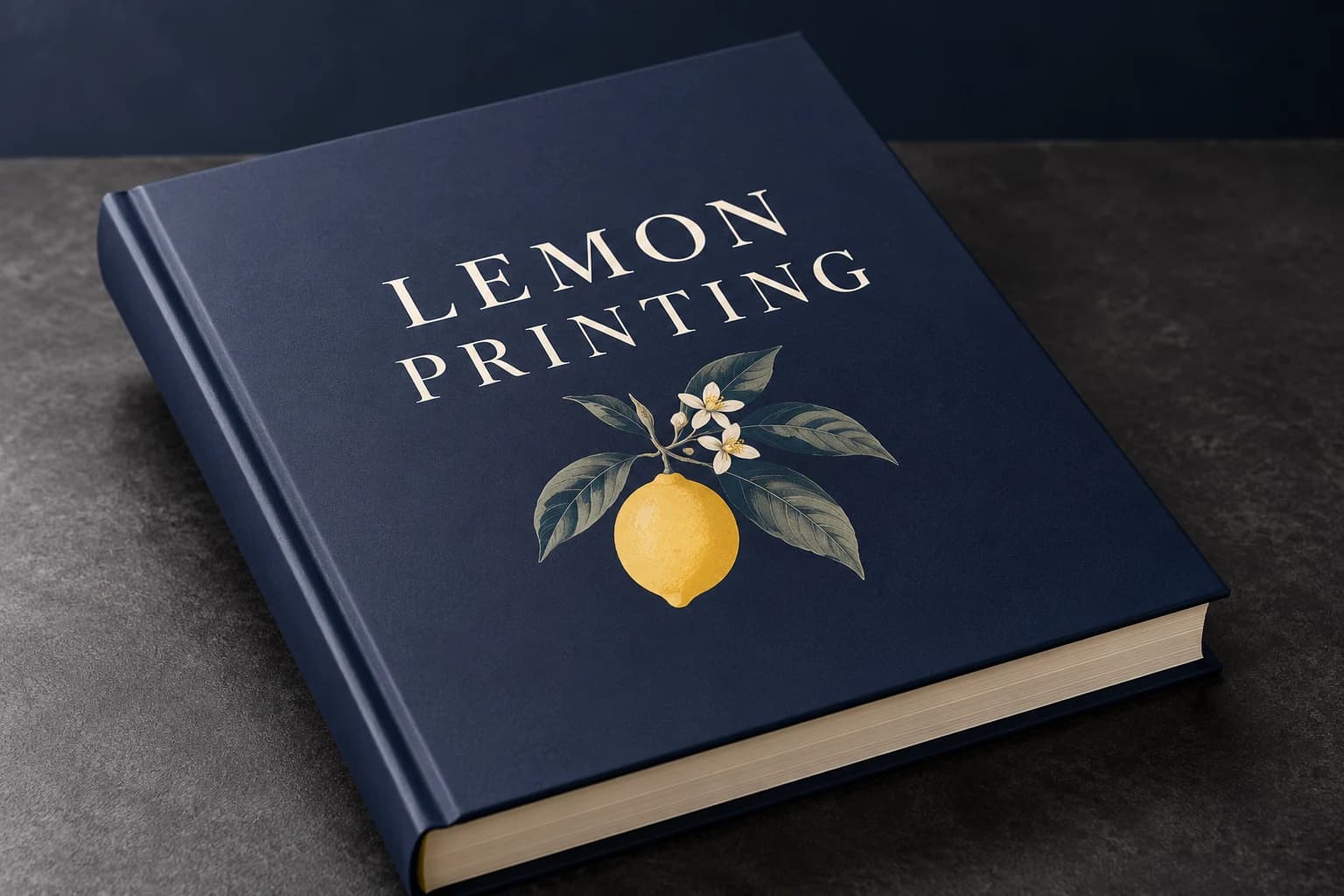 Matte lamination View effect & artwork guidance
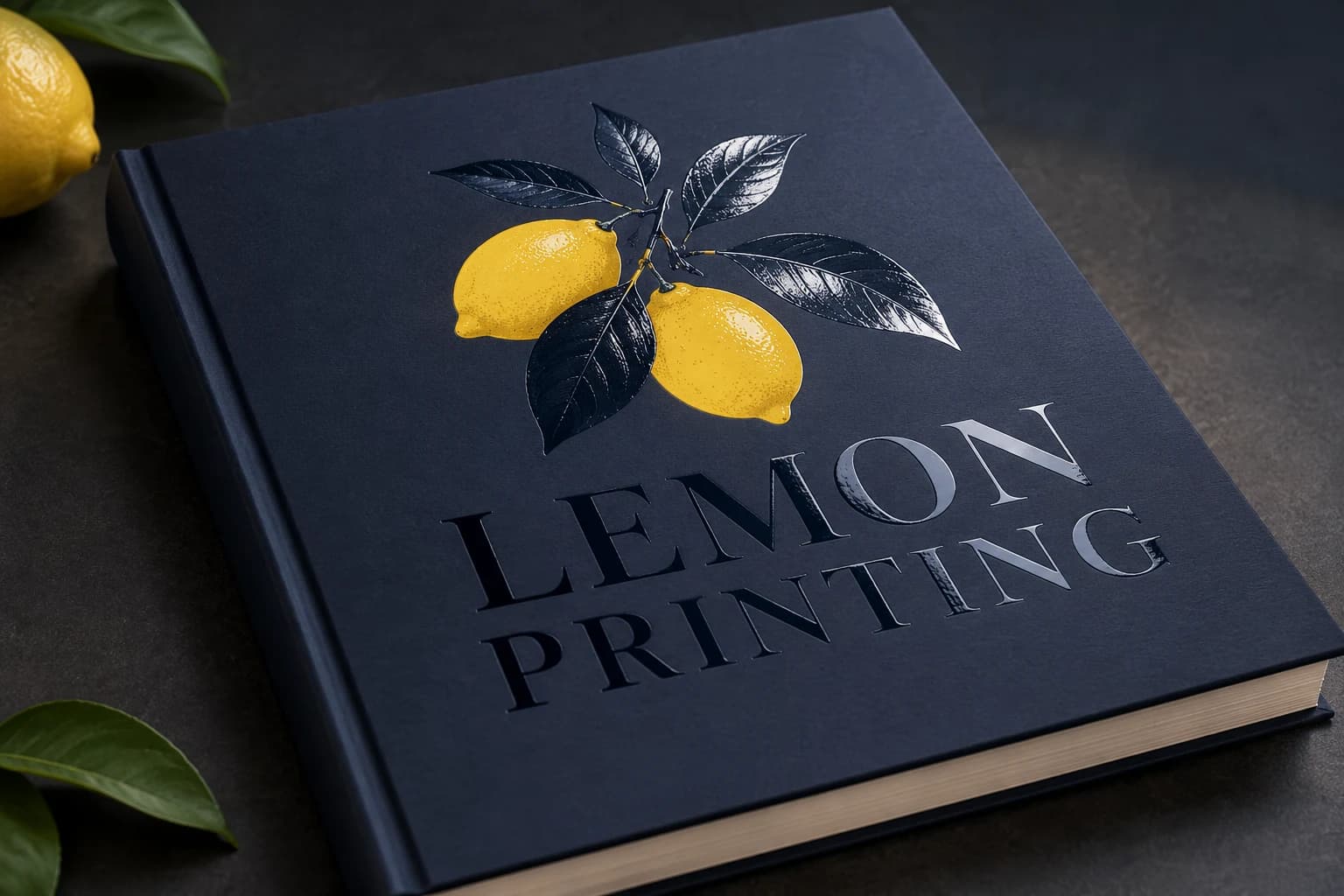 Spot UV View effect & artwork guidance
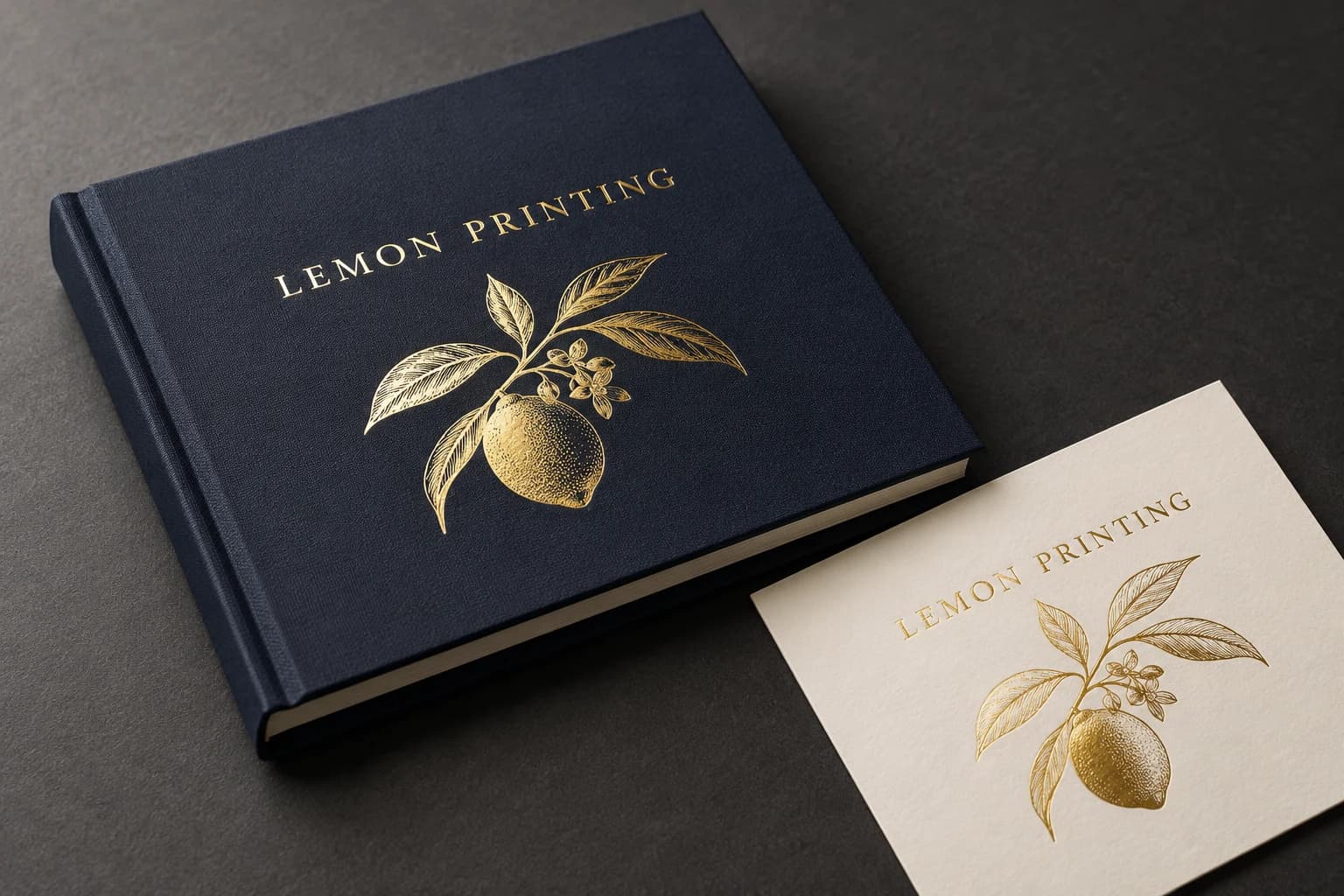 Gold foil stamping View effect & artwork guidance
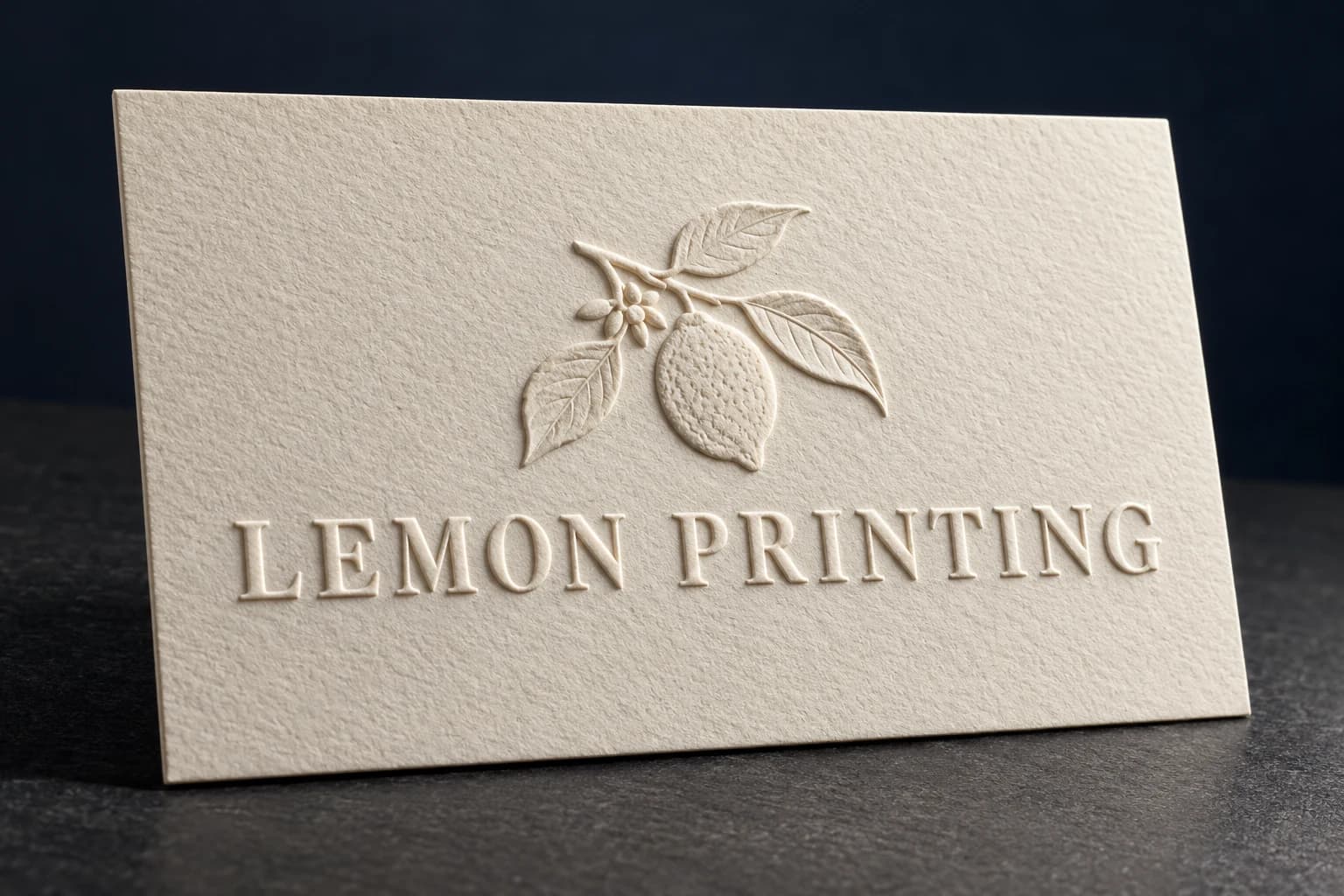 Embossing View effect & artwork guidance
Illustrative finish samples, not photographs of this product. Final suitability follows the confirmed stock, construction and approved sample.
Compare all surface finishesConstruction & finishing
Fit the Product and Assess the Handling Route
Focus the review on product clearance, closure, insert retention and the intended handling conditions.

01 / SELECTION CHECK
Start from internal product fit
Provide actual contents, dimensions, weight and insertion orientation. Trial closure, clearances and insert retention on a structural sample. Outer artwork size cannot substitute for usable internal space.
02 / SELECTION CHECK
Separate presentation from transport checks
A decorative pack and a transit pack can need different board and construction. Assess the chosen assembly with its contents and agreed route; neither GSM nor a flute name establishes finished protection on its own.
Pack structure & fit engineering
Start with the product, then validate the box, insert and shipping pack
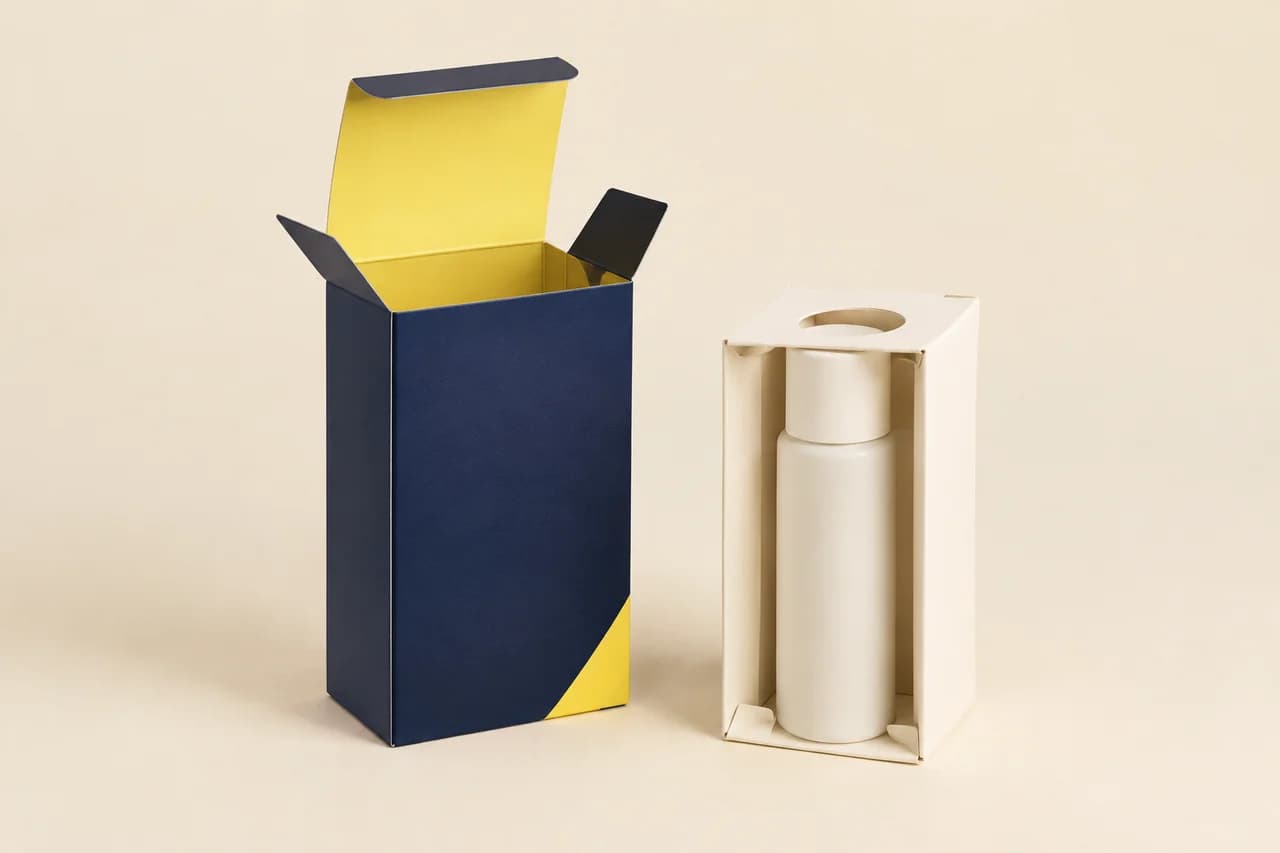
A printed box has to fit the item, close reliably and survive its distribution route. Specify internal product dimensions and orientation first, then develop the dieline, closure, insert and outer pack around a physical product or accurate dummy.
Compare dimensions and usable space
Design examples are labeled; they are not production limits or approved templates.
Small carton face example · 100 × 150 mm
Illustrative 100 × 150 mm face; contents dimensions determine internal depth, insert and removal access.
Read every format’s selection note
- Small carton face example: 100 × 150 mm. Illustrative 100 × 150 mm face; contents dimensions determine internal depth, insert and removal access.
- Wide carton face example: 180 × 120 mm. A wider illustrative 180 × 120 mm face; opening direction and insert contact points still follow the actual item.
- Contents & clearance
- Box panels, folds & closure
- Insert / secondary pack & shipper
Select the material by its finished behavior
Specify the actual board construction and finished caliper rather than relying on GSM alone. Solid board, mounted greyboard and corrugated board behave differently at a hinge or cut edge. Evaluate the fully converted part, not only the facing paper.
Production checks that prevent avoidable rework
Separate internal fit from outside dimensions
Provide the contents' measured dimensions, weight, orientation and any protective wrap. Confirm internal usable space on the sample; board caliper and fold geometry affect the outside size.
Review the dieline as a working structure
Check panel order, glue zones, locking tabs, scores and print orientation on a marked template. A flat layout should be assembled before artwork release.
Test the complete pack-out
Place the real product and insert into the box, close it and test the outer shipping configuration. Transit performance depends on the complete product-package system and distribution route; request a relevant test plan where required.
Use-case selection
Choose a configuration for the job it has to do
Retail folding carton
Use a folding carton structure for a shelf-ready pack where flat shipment and repeatable closure matter.
Trade-off: Board stiffness and closure need to suit product weight and handling; artwork alone cannot confirm fit.
Rigid presentation box
Use a wrapped rigid-board structure for a firm presentation and plan lid fit, wrap allowance and any insert.
Trade-off: Rigid structures use more volume in storage and shipment than flat folding cartons.
Protective corrugated pack
Select the box style and board construction around the item, void fill and actual transport hazards.
Trade-off: A printed retail box may still need a separate shipper for the distribution route.
Problem → cause → solution
Resolve the failure points before production
The item fits but cannot be removed
Why it happens: The insert retains the item without allowing a finger opening or extraction route.
How to prevent it: Test insertion and removal with the actual product, including surface finishes, caps and protective wraps.
An attractive retail box fails in distribution
Why it happens: Retail presentation was treated as proof of shipping protection.
How to prevent it: Evaluate the complete pack with contents, insert, outer shipper and expected distribution hazards; material names alone do not establish a test result.
Alternative formats
When another construction is a better fit
| Alternative | Structural difference | Selection trade-off |
|---|---|---|
| Paper bag | Gusseted carrier with handles. | Useful for handover; it does not replace an enclosing shipping or protective box. |
Sampling & production
Choose a Sample That Answers Your Main Concern
A structural sample, a print proof and a finished sample answer different questions. Confirm the sample scope before approval. Free samples are prepared within 15 days; courier arrangements and transit time are separate.
Structure and material sample
Review structure and material with the proposed dimensions and component count. Agree whether the sample uses production materials or substitutes. An unprinted construction sample does not approve printed color.
Print and artwork proof
Review representative artwork at finished size on the agreed proof condition. Check fine detail and important colors. A screen proof cannot establish physical feel or the performance of the finished assembly.
Complete finished sample
Assess product clearance, closure, insert retention and the intended handling conditions with the specified components and finishing present. Record the approved revision and any differences to resolve before production.
How to Order Packaging Box
Send your project brief
Send internal length × width × height in mm; external limits separately. Specify boxes per structure; inserts and sleeves per complete pack. State the number of complete boxes per structure, size and artwork version, delivery destination and required arrival date. Tell us which options are undecided.
Compare the quotation
Ask for pricing by complete boxes per structure, size and artwork version. Compare the same configuration at each quantity. The quotation should identify materials, finishing, sample scope, packing and freight, plus payment and order terms.
Review the right sample
Choose a sample that can demonstrate product clearance, closure, insert retention and the intended handling conditions. Confirm what the free sample includes and any differences from the intended production specification. Preparation is completed within 15 days; courier arrangements and transit time are separate.
Approve the production version
Confirm the specification, file revision and sample decisions in writing. Production scheduling follows the agreed approvals and order release conditions; changes may require a revised quote or schedule.
Confirm packing and delivery
State flat or assembled delivery and insert quantities. Protect finished surfaces and test any nesting arrangement; agree pack counts and route-specific transport checks. Agree the destination and shipping arrangement, with production, dispatch and transit dates listed separately.
Details to Confirm in the Quotation
- Order unit and price breaks
- Specify complete boxes per structure, size and artwork version. Request the feasible minimum and quantity breaks for that exact configuration; a change of material, version or component count can change the price.
- Sample scope and delivery
- State whether you need a material trial, a print proof or a complete finished sample. Free samples are available, with preparation completed within 15 days. Confirm the included materials and processes; courier arrangements and transit time are separate.
- Approval and schedule
- State the required arrival date and whether versions ship together or to separate destinations. The quote must distinguish sample work, production and transit; a requested date is not a confirmed schedule.
- Packing and identification
- State flat or assembled delivery and insert quantities. Protect finished surfaces and test any nesting arrangement; agree pack counts and route-specific transport checks.
- 01
Use the approved structural dieline, separating cut, crease, glue and insert areas. State internal dimensions and contents and keep embellishment masks distinct from construction layers.
- 02
Use the PDF/X export preset and output condition confirmed with prepress. Embed fonts and identify the approved file revision.
- 03
Check continuous-tone images at about 300 effective pixels per inch (ppi) at their final placed size. Fine linework can require a different resolution or vector artwork.
- 04
Extend trim artwork by 3 mm unless the approved template specifies otherwise. Keep structural, folding and binding clearances separate from trim bleed.
- 05
Identify named spot colors or physical references and the intended substrate. Agree proof acceptance and keep finishing separations distinct. A screen PDF does not approve printed color.
Configuration details
Choose a structure before choosing a decorative finish.
A folding carton uses creased board and a flat-supplied dieline. A rigid case uses formed board with a wrap; a collapsible rigid case adds an assembly system. These builds have different cavities, shipping footprints and opening behavior even when the printed artwork looks similar.
- Fit dimensions
Usable internal length × width × height in mm
Identify inserts, closure intrusion and removal clearance; outside dimensions are not a substitute for product fit.
- Delivery form
Flat carton, collapsible case or erected rigid box
Compare the actual packed carton volume and assembly work rather than assuming all boxes ship flat.
Explore the relevant formats
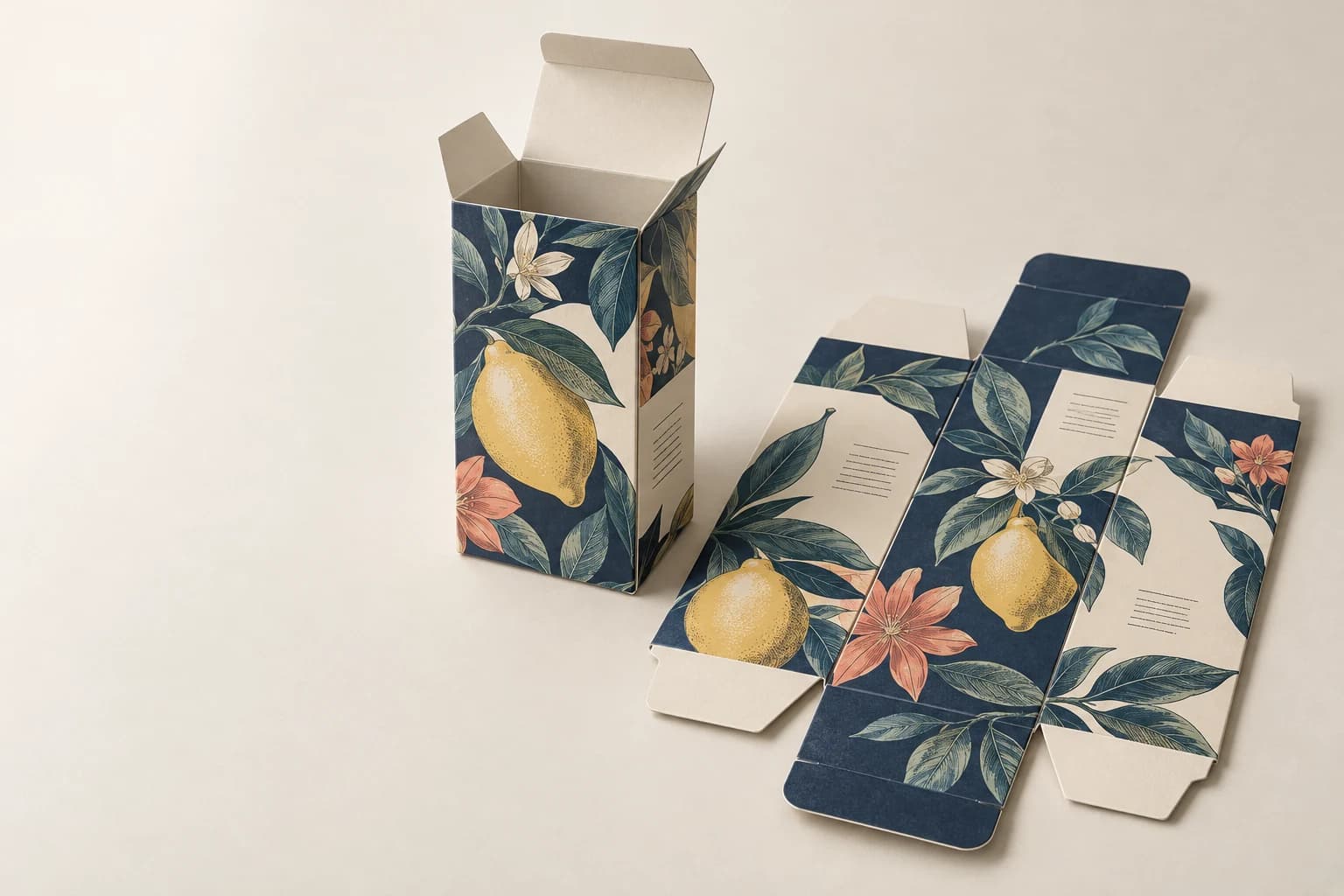
Folding Carton Printing
Folding cartons are printed paperboard structures delivered flat or assembled around the product.
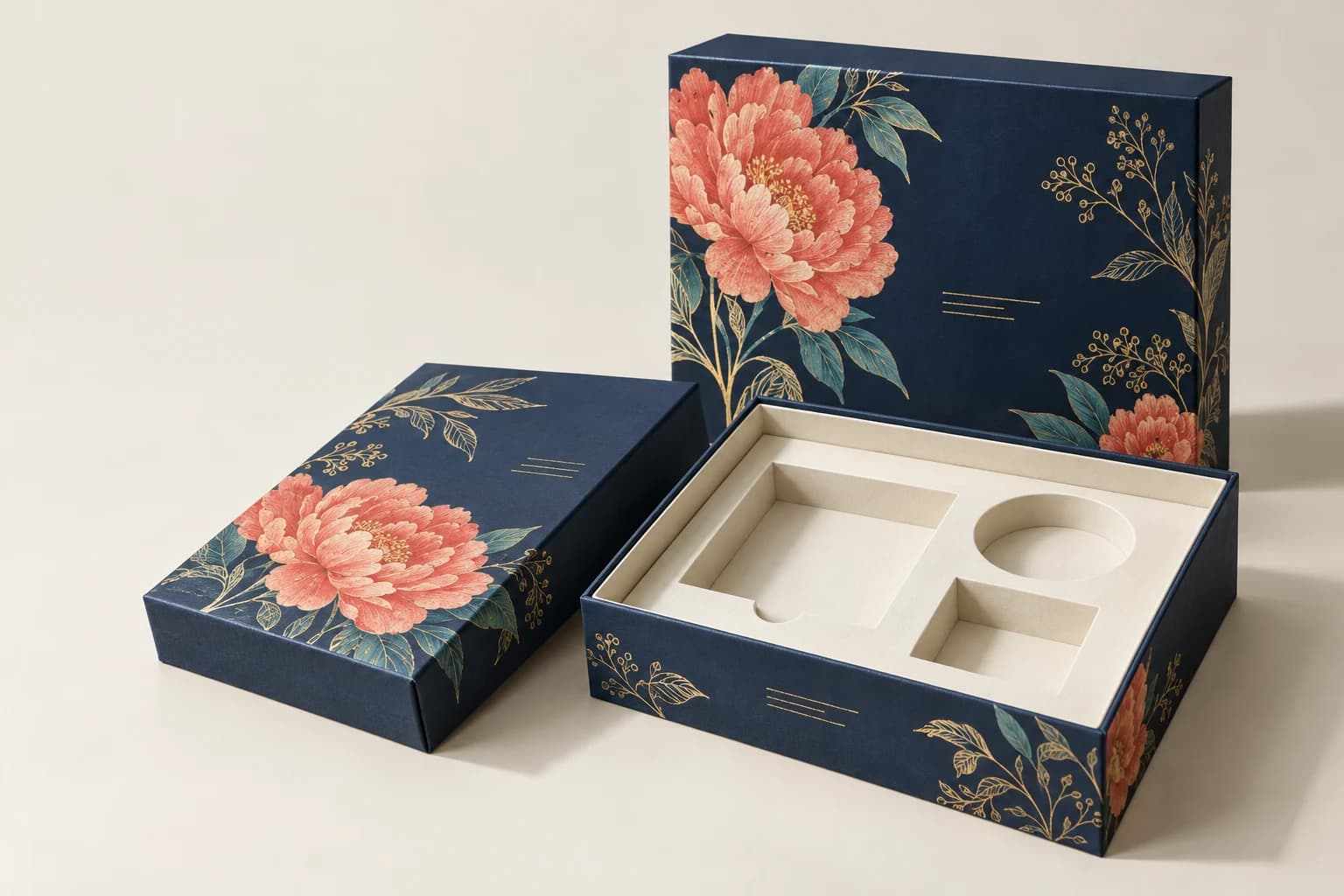
Rigid Box Printing
Rigid presentation boxes use a formed board structure covered with a printed or decorative wrap.
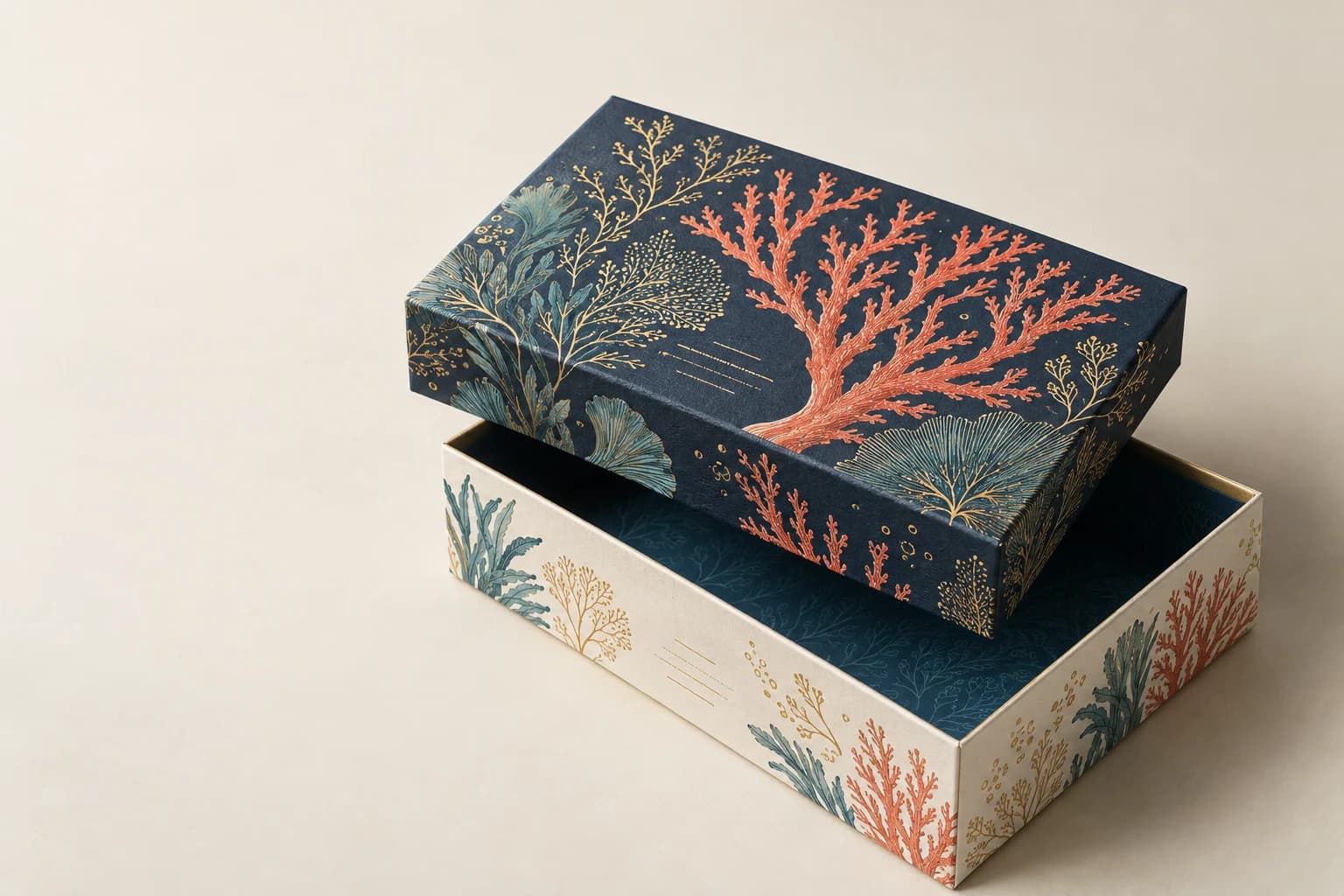
Two-Piece Rigid Box Printing
A separate lid and base allow a chosen overlap and reveal; contents fit, wrap corners and lifting clearance need a physical check.
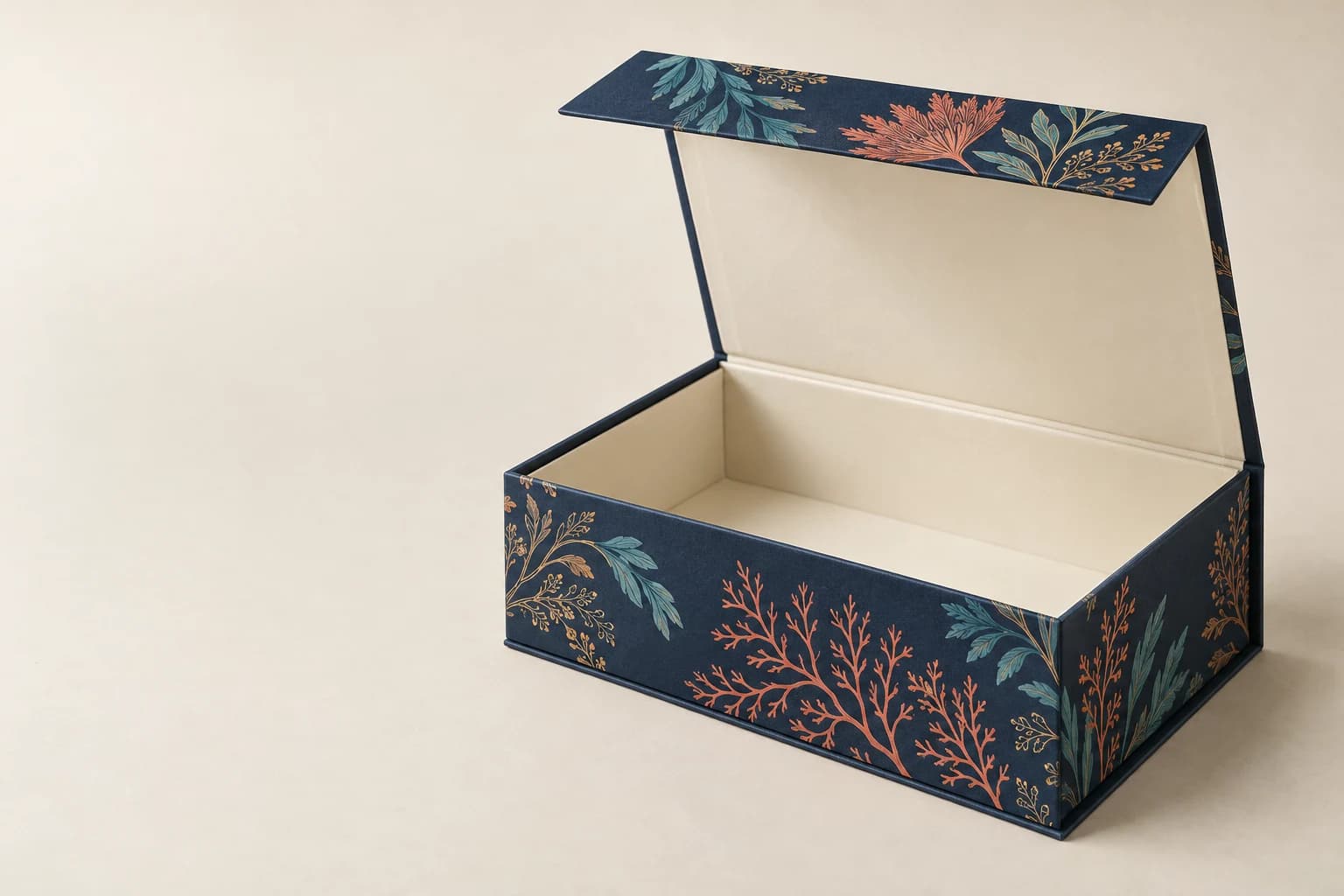
Magnetic Closure Box Printing
Magnetic boxes use a hinged cover or flap with aligned closures in the board assembly.
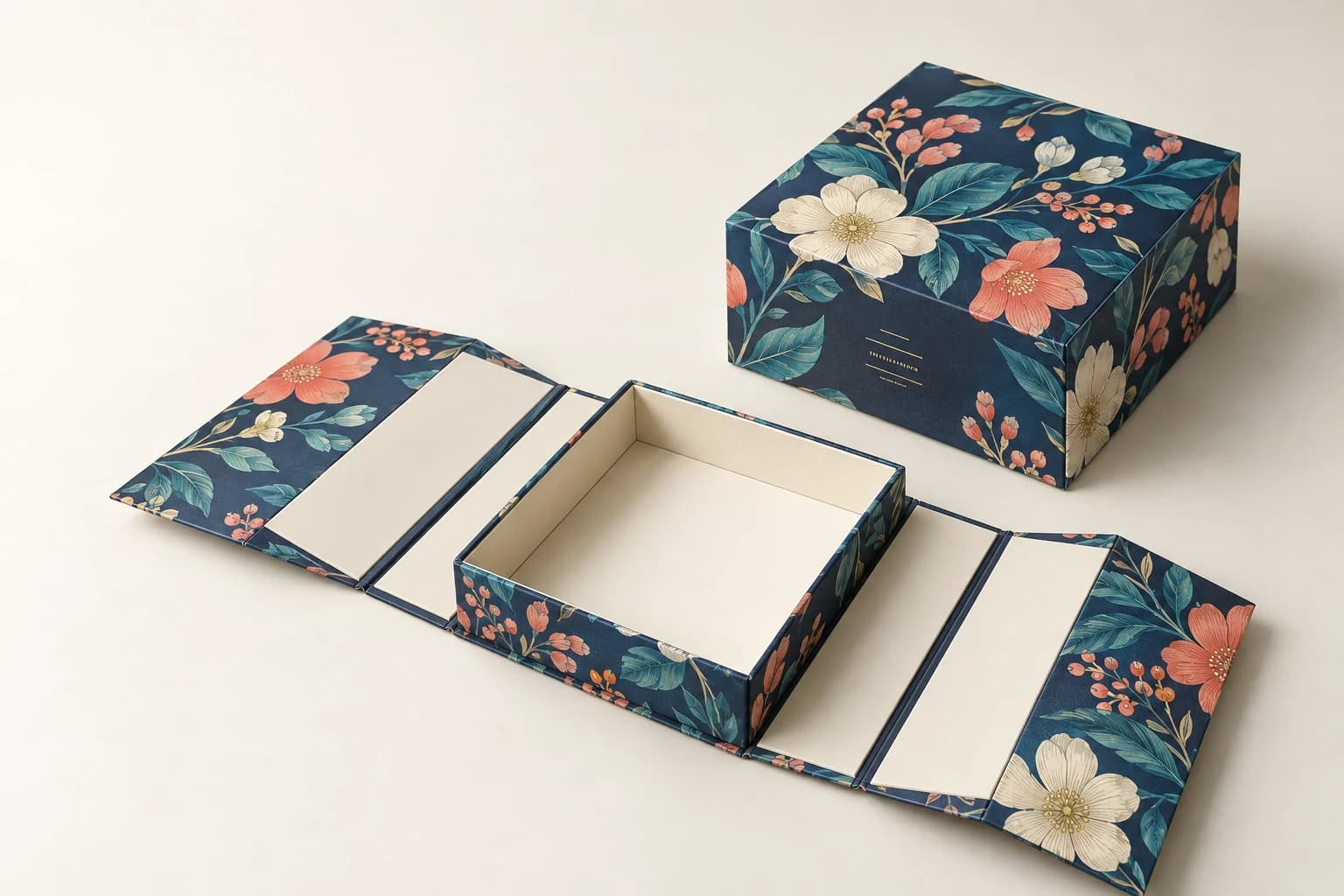
Collapsible Rigid Box Printing
Collapsible rigid boxes use a panel arrangement that opens into a presentation case and folds into a flatter shipping form.
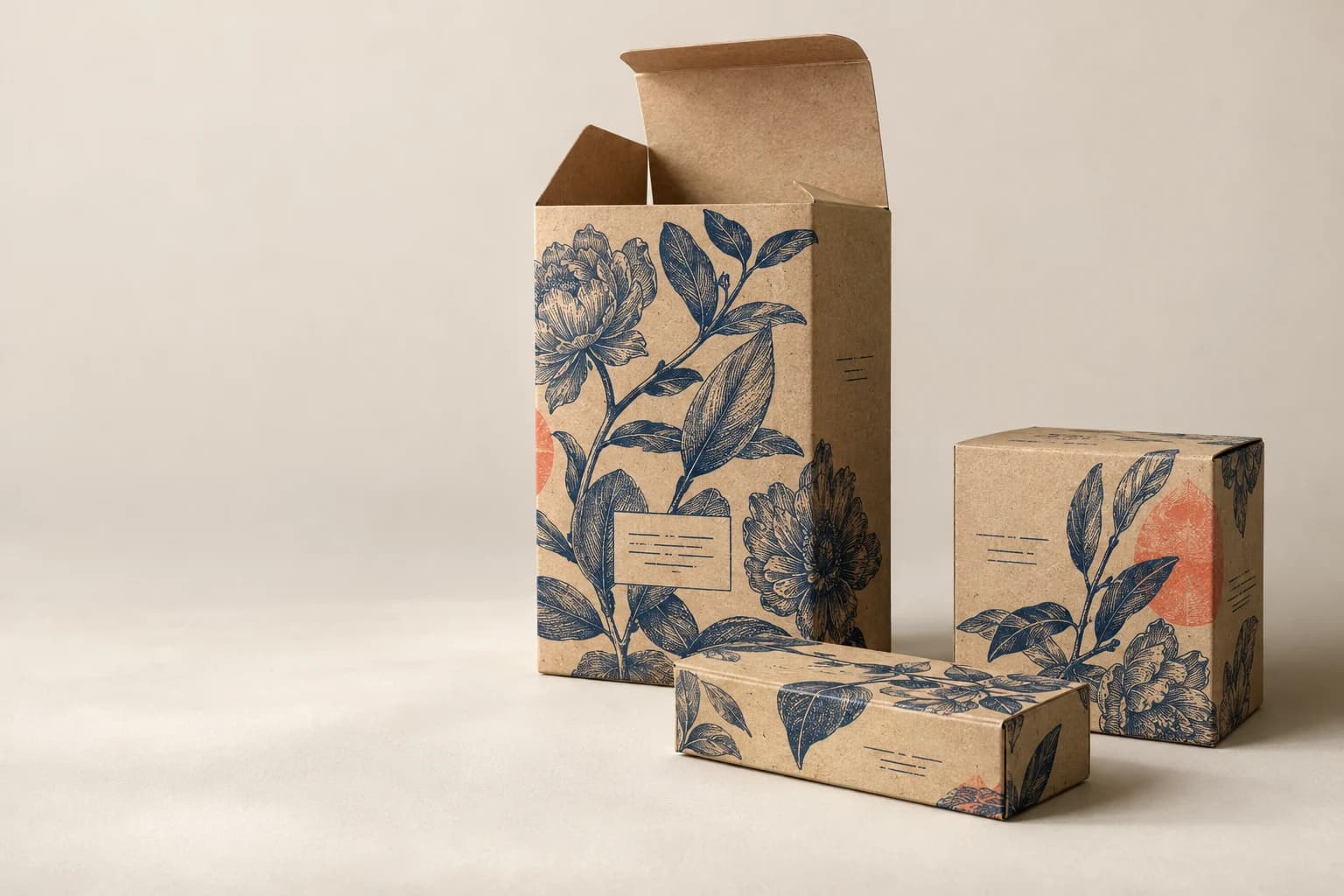
Kraft Box Printing
Kraft packaging exposes a brown or natural-looking paper surface as part of the design.
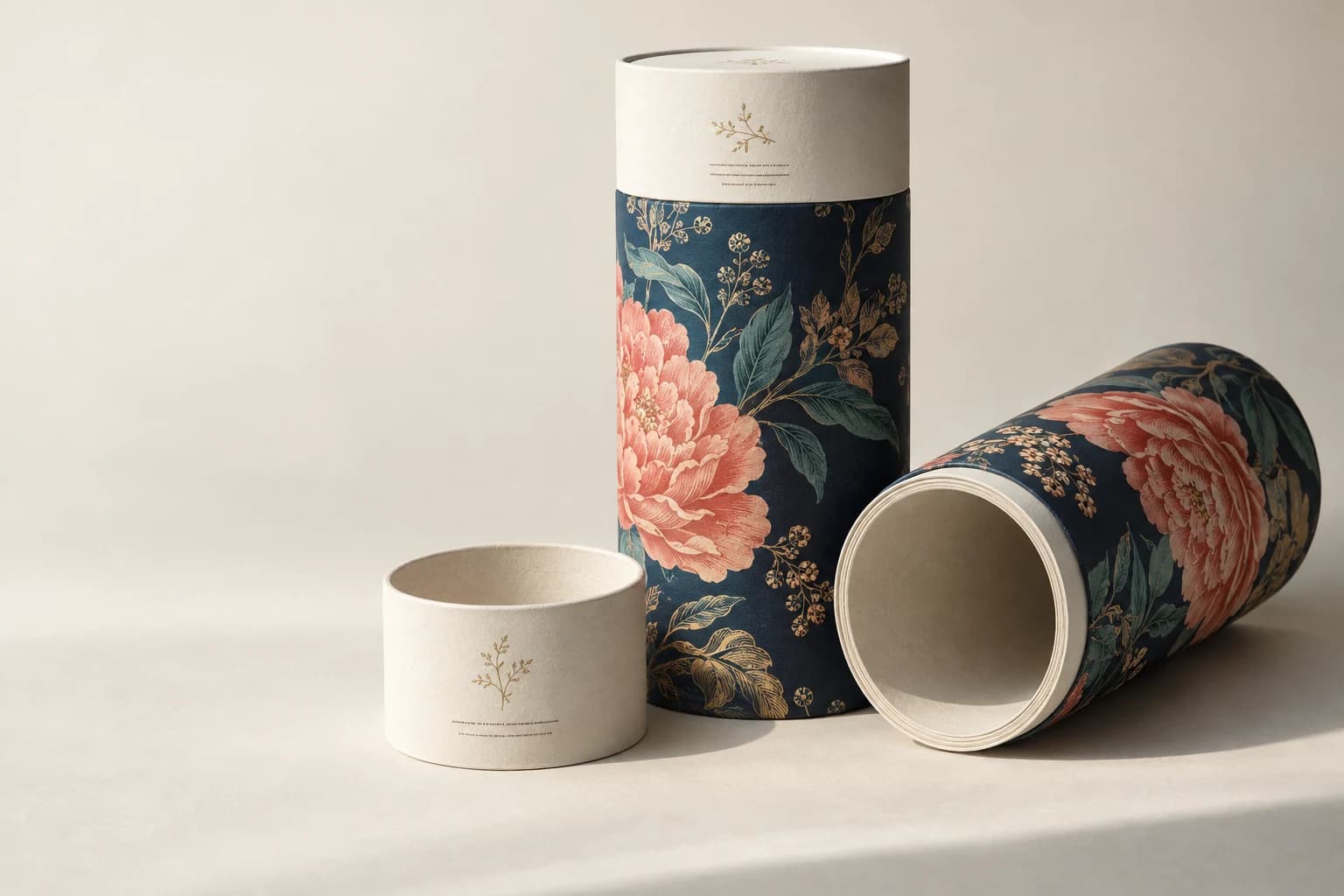
Paper Tube Packaging
Paper tubes form a cylindrical pack with a wound paperboard body and a specified closure.
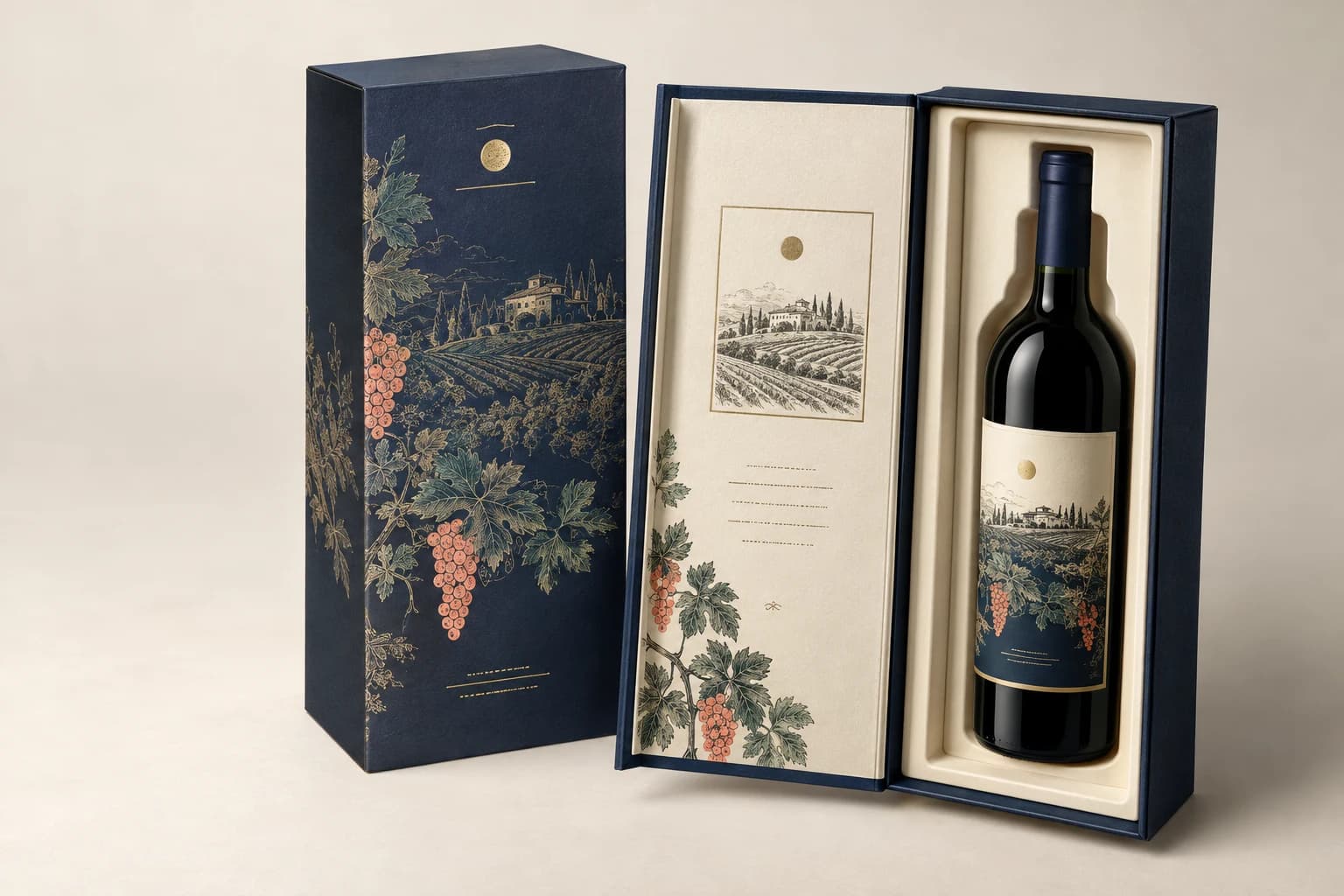
Wine Box Printing
Wine presentation packs need to locate the bottle body and neck while providing an opening that suits gifting.
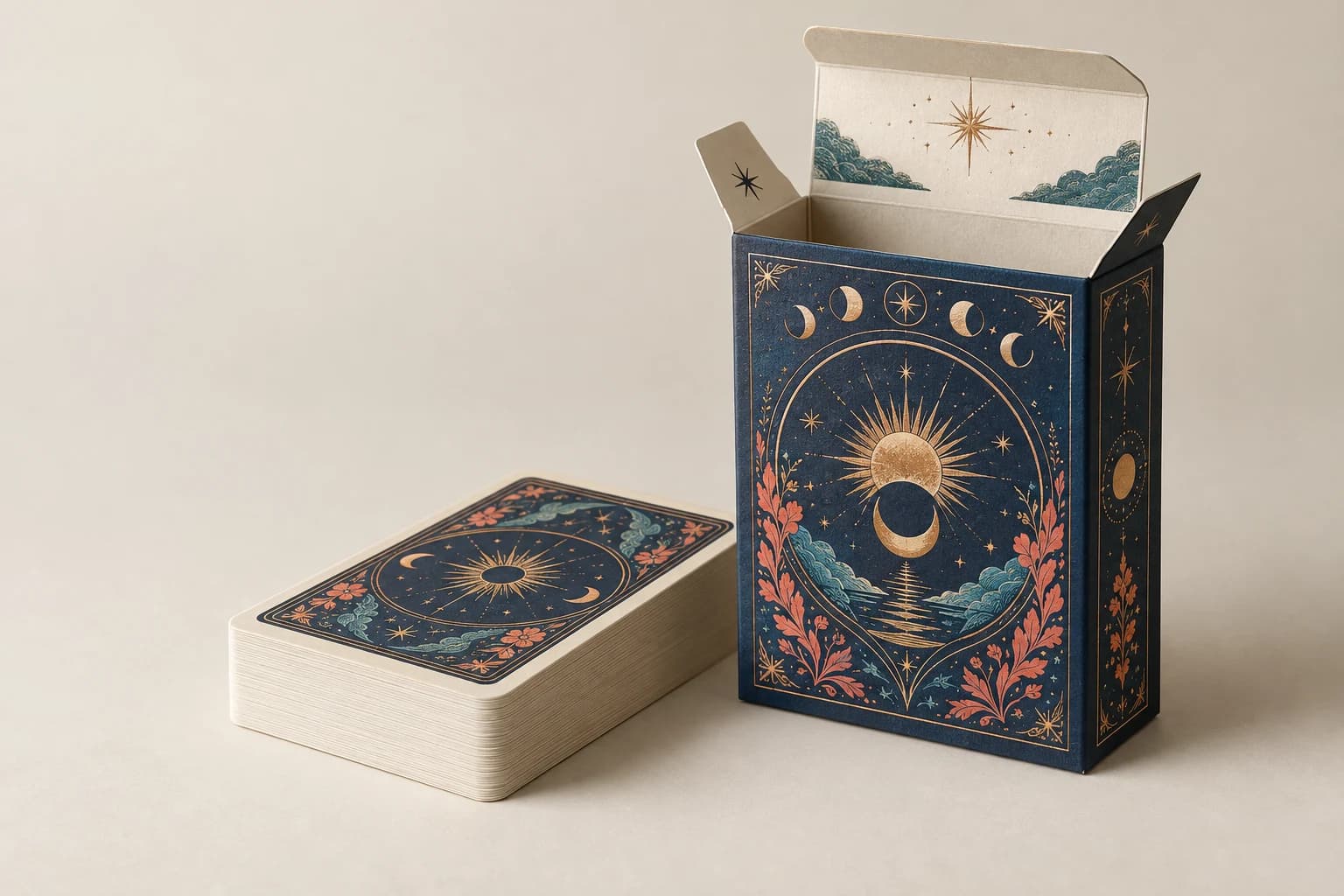
Tuck Box Printing
A tuck box uses folded paperboard flaps around a defined card or product cavity; test opening and fit with the actual contents.
Engineering & purchasing FAQ
Questions Before Ordering Packaging Box
Should I give internal or external dimensions?
Identify both where they matter, but product fit needs clearly stated internal dimensions and the contents' actual size. Board, folds and inserts consume space, so an outside measurement does not define usable capacity.
Does choosing E or B flute prove shipping strength?
No. Liners, material grade, structure, closure and the packed contents affect performance. Specify the actual shipping use and any agreed test scope rather than treating the flute designation as a finished-box rating.
Can one box serve both retail display and shipping?
It may be possible, but specify both roles. Product presentation and transport protection are different checks; review the packed product and the planned shipping route before approving the structure.
Which sample should I request first?
Start with the uncertainty that could change the specification: product clearance, closure, insert retention and the intended handling conditions. If the concern is physical, request the relevant material or functional sample. If it is print appearance, agree a suitable proof. Confirm the sample scope before approval. Free sample preparation is completed within 15 days; courier arrangements and transit time are separate.
How should I state quantities for a quote?
Use complete boxes per structure, size and artwork version. Separate versions and give a delivery destination and required arrival date. This lets the quote distinguish the production quantity, packing and shipping scope.
Your project specification
Plan Your Packaging Box Order
Send internal length × width × height in mm; external limits separately. Specify boxes per structure; inserts and sleeves per complete pack. State the number of complete boxes per structure, size and artwork version, delivery destination and required arrival date. Tell us which options are undecided.