Book Printing · Formats & construction
Cloth Cover Book Printing
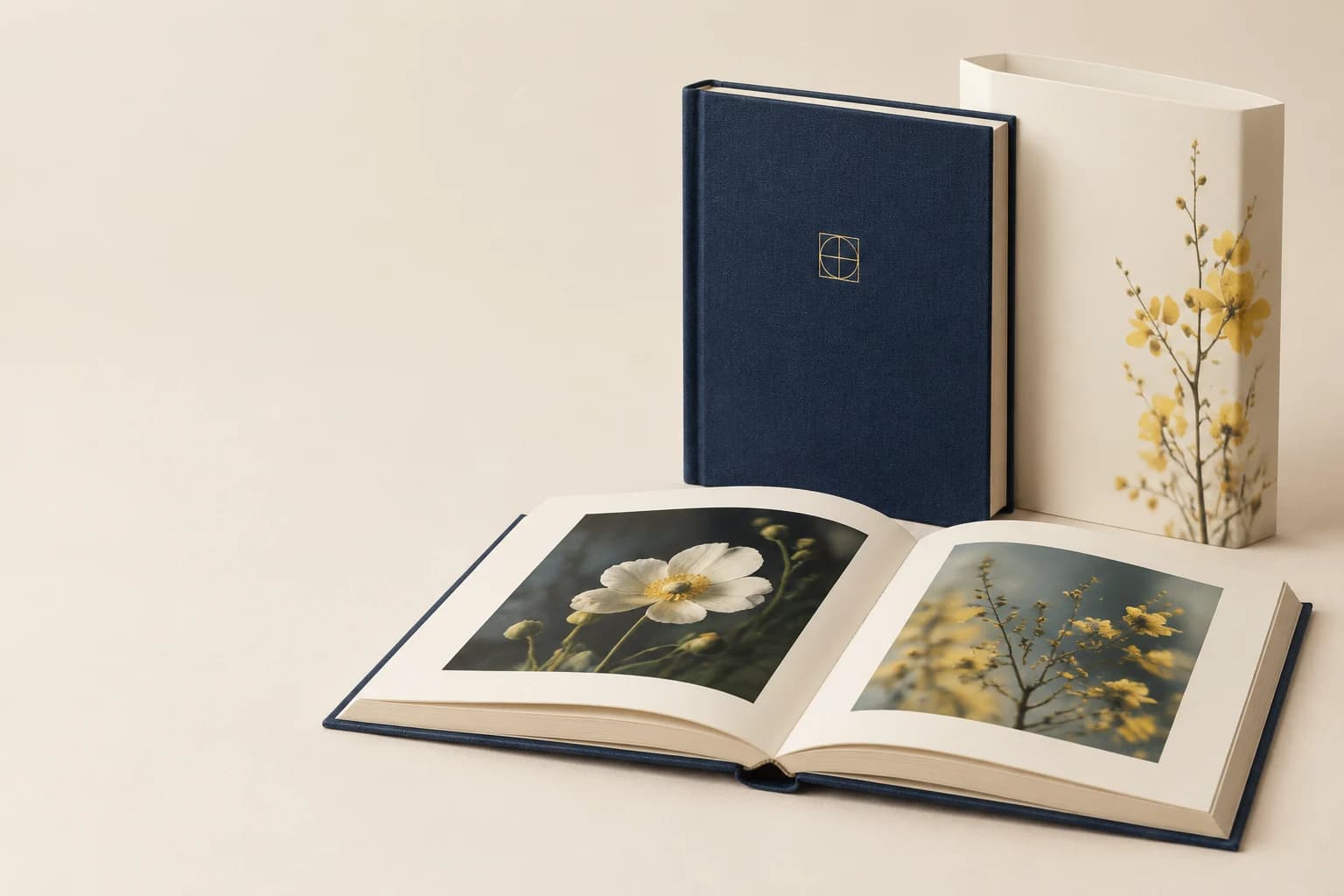
A woven cloth case gives an edition visible texture and a distinct cover surface. Pair it with a sewn or adhesive-bound block for art, history and collected editions.
- Woven cloth case with separate endpapers
- Foil, blind impression or printed jacket
- Opening determined by the bound block
Start with the intended use, finished size and quantity. The material and construction can follow.
The product in use
A textile cover with a separate book block
Cloth wraps around the cover boards and turns inside their edges; endpapers connect that case to the page block. The weave remains part of the design, so a concise foil title often reads more clearly than a fine photographic image. A dust jacket can carry full-color artwork while the cloth case provides the underlying tactile surface.
What makes up the finished product?
- Wrapped boards
- The covering turns around the board edges; neat corners depend on material thickness and the wrap design.
- Endpapers
- Pastedown and free leaves connect the case to the block and influence hinge movement.
- Bound sections
- Sewn or adhesive-bound pages establish opening and the final spine thickness.
Specifications and materials
Cloth Cover Book Printing specifications
Use these reference options to build the project brief. Dimensions are design examples; material availability, tooling and production timing depend on the confirmed specification.
| Parameter | Reference or option | Why it matters |
|---|---|---|
| Trim size | A5 or A4 design references; custom format by project | State the page trim separately from the overhanging case. |
| Page stock | 115, 150 or 170 g/m² coated image references; uncoated text alternatives | Compare image response and actual paper caliper before sizing the spine. |
| Cover construction | Woven covering, board case and separate endpapers | Specify real textile rather than a cloth-pattern embossed paper. |
| Binding | Section-sewn or adhesive-bound block | The block, hinge and paper determine usable opening. |
| Decoration | Foil title, blind impression or dust jacket | Weave and coating affect fine detail and adhesion. |
Compare the material and its effect.
Choose the surface and construction for the way the finished product will be used. The options below are selection references, not a guaranteed inventory list.
Woven cloth
Textile cover grades
Keeps a visible weave and tactile surface.
Sample check: Use an actual swatch to judge texture and foil definition.
Embossed cover paper
Paper with a cloth-effect pattern
Offers a different construction and decoration response.
Sample check: Name it as paper, not woven cloth.
Interior paper
Coated image or uncoated reading grades
Changes reproduction, glare and block thickness.
Sample check: Check the chosen image or text on the proposed grade.
Selected sample focus — Woven cloth: Use an actual swatch to judge texture and foil definition.
Format & usable space
Cloth Cover Book Printing: Format & Configuration
148 × 210 mm
A5 design reference for essays and collected writing.
This is a design reference, not a required size or a manufacturing limit.
Cover design route
Cloth-only title or cloth plus printed jacket
Choose a cloth-only design for a restrained mark; add a jacket when the cover must reproduce detailed images or extensive back-cover copy.
See the trim proportions.
These are publishing references, not required sizes. Compare the usable page shape before adapting an existing layout.
Selected: Compact edition. Proportions only; not actual size.
Trim dimensions describe the cut page. Artwork bleed, cover overhang, tabs and modules are separate allowances.
View the original format reference
Surface finish options
Printed covers and jackets
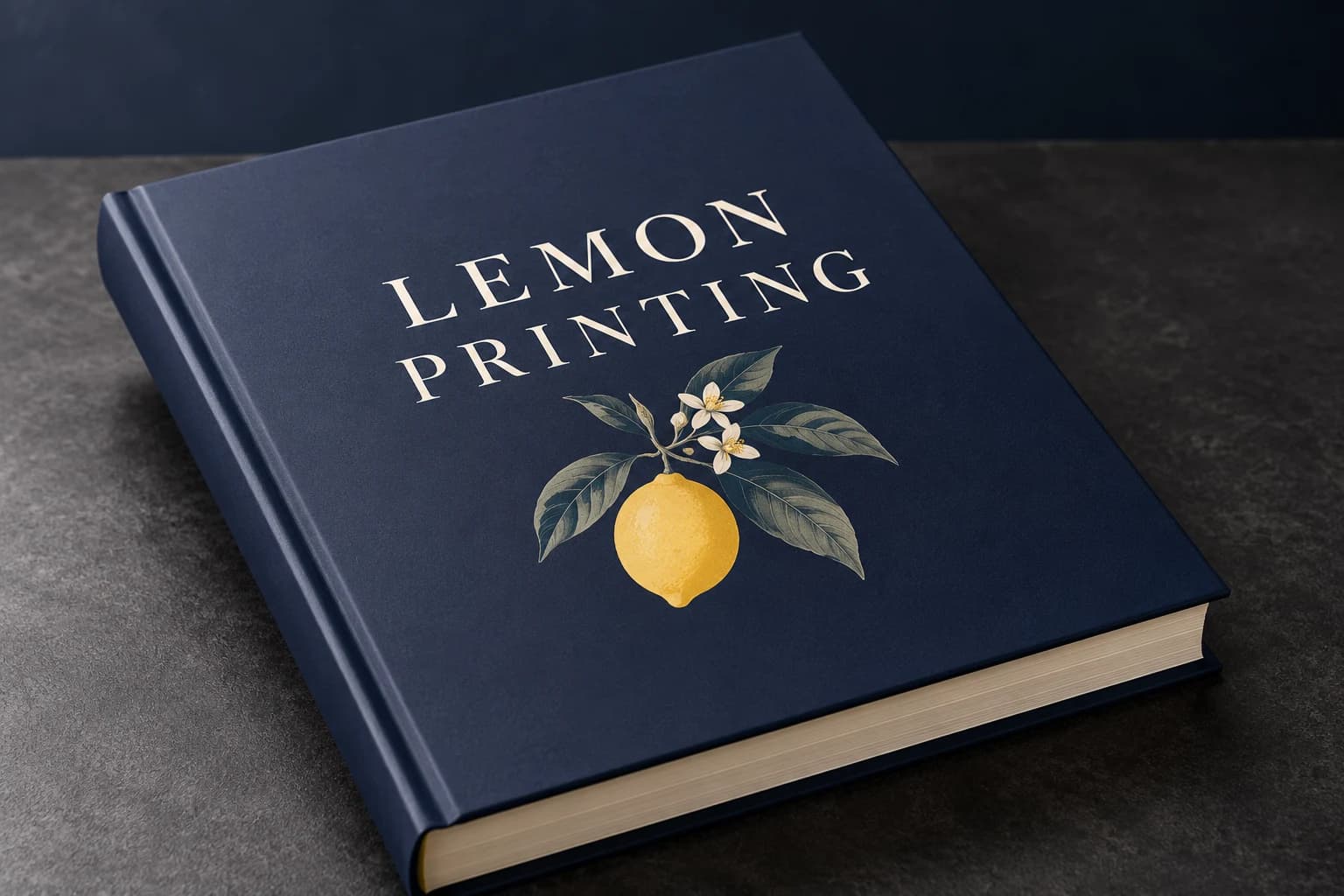
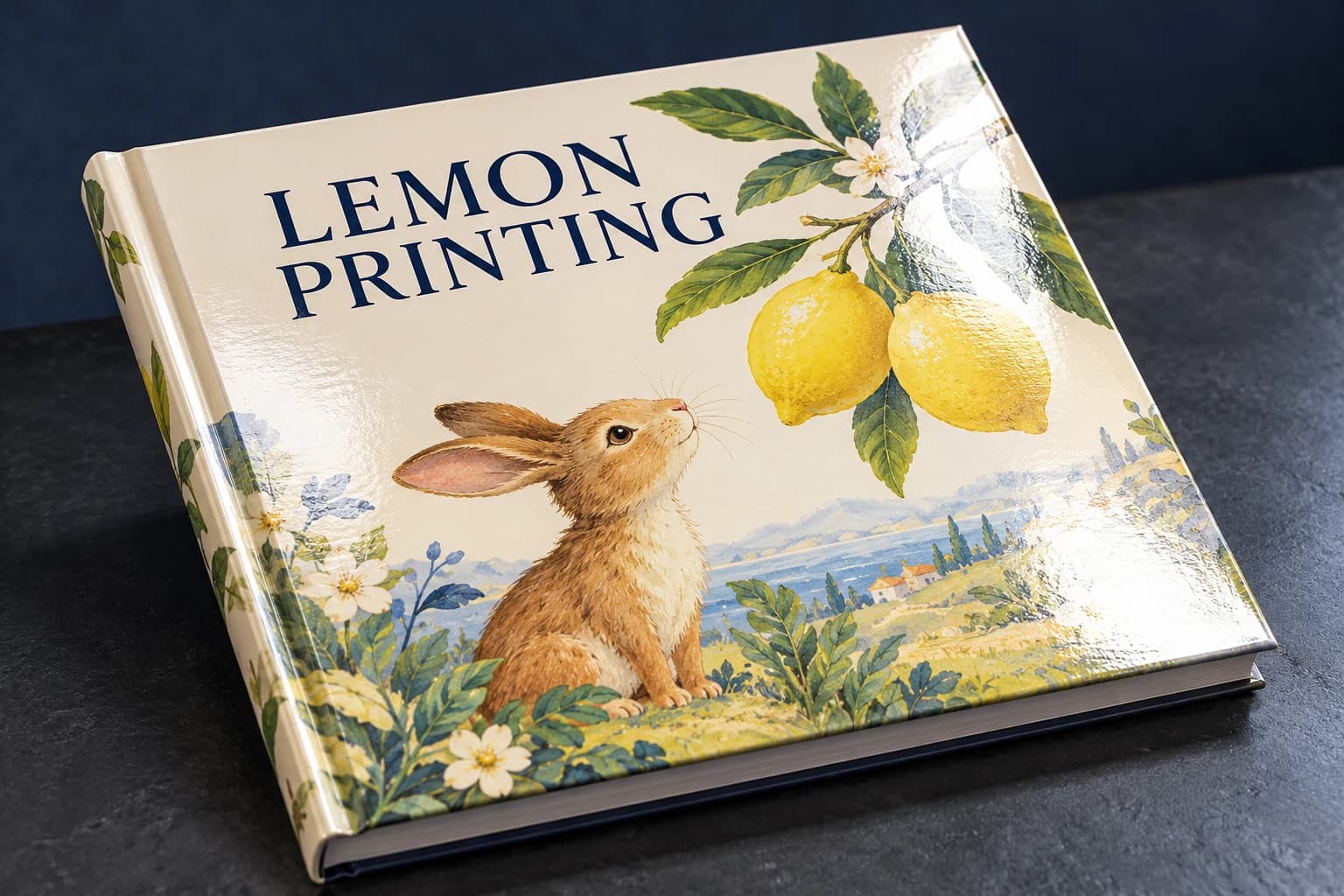
Choose the finish for the printed cover or jacket, not automatically for the interior. Check color, rub marks, hinges and compatibility with the cover stock. Cloth and synthetic wraps need a separate material trial.
 Matte lamination View effect & artwork guidance
 Gloss lamination View effect & artwork guidance
 Gold foil stamping View effect & artwork guidance
 Spot UV View effect & artwork guidance
Illustrative finish samples, not photographs of this product. Final suitability follows the confirmed stock, construction and approved sample.
Compare all surface finishes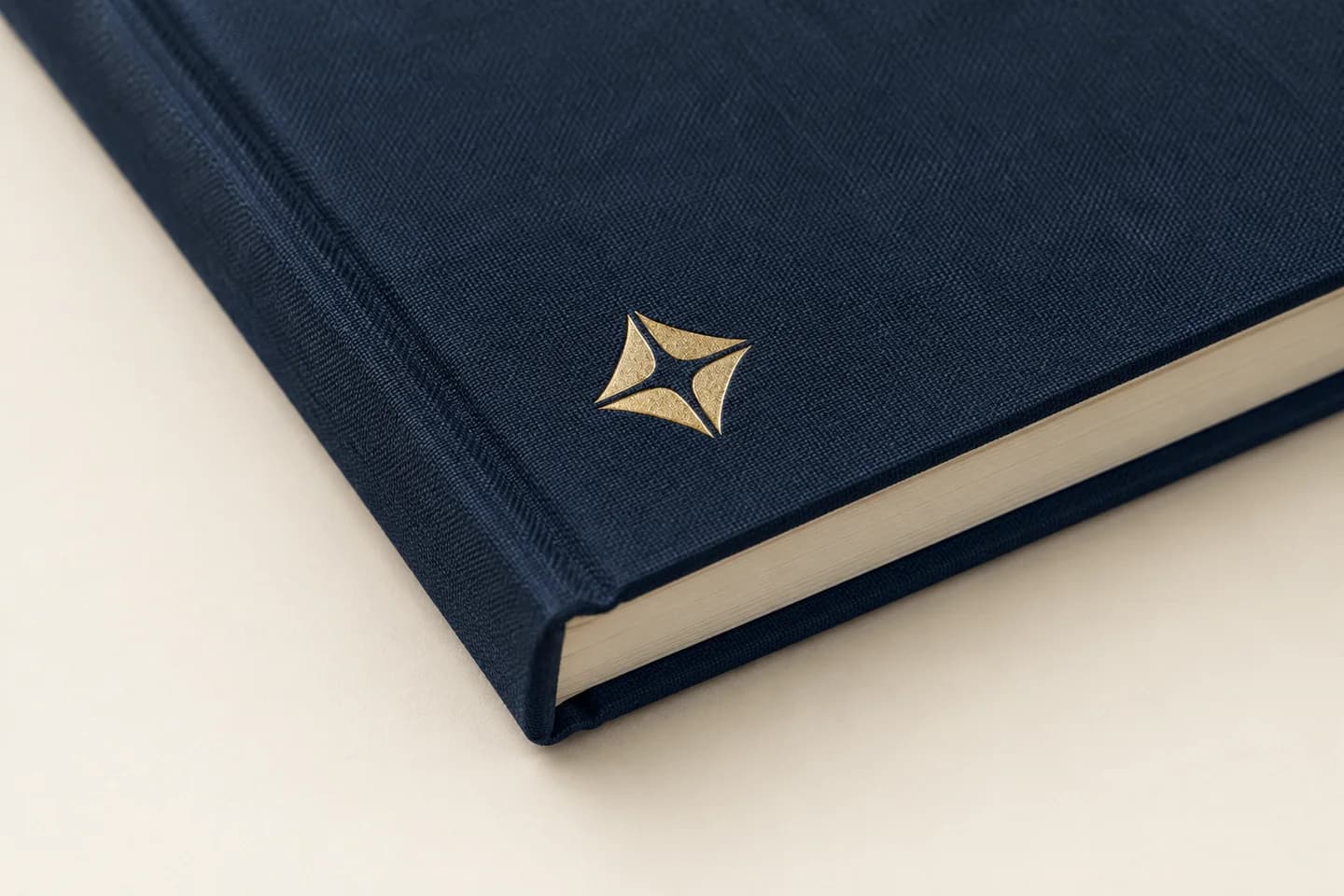
Details that change the finished product
Weave, foil and hinges work together
Keep the weave visible
Select the covering by weave, color and backing. A woven cloth and an embossed paper can look similar in a photograph but have different surface and handling characteristics.
Make room for the hinge
The case joint must flex when the book opens. Keep critical foil lettering away from hinge areas and set its position on the final case template.
Separate color from texture
Use a jacket when detailed color imagery is essential. Proof that print separately from the cloth swatch and foil sample.
Cloth Cover Book Printing: Uses & Configurations
Art and architecture
A cloth case can keep the outside restrained while image pages carry the visual narrative.
Collected writing
A foil spine identifies a text edition on the shelf without a printed wrap.
Commemorative editions
Use endpapers and an optional jacket to separate edition identity from the textile surface.
Solve the risk before production
Cloth Cover Book Printing: Finished-Product Checks
The critical finished-product check
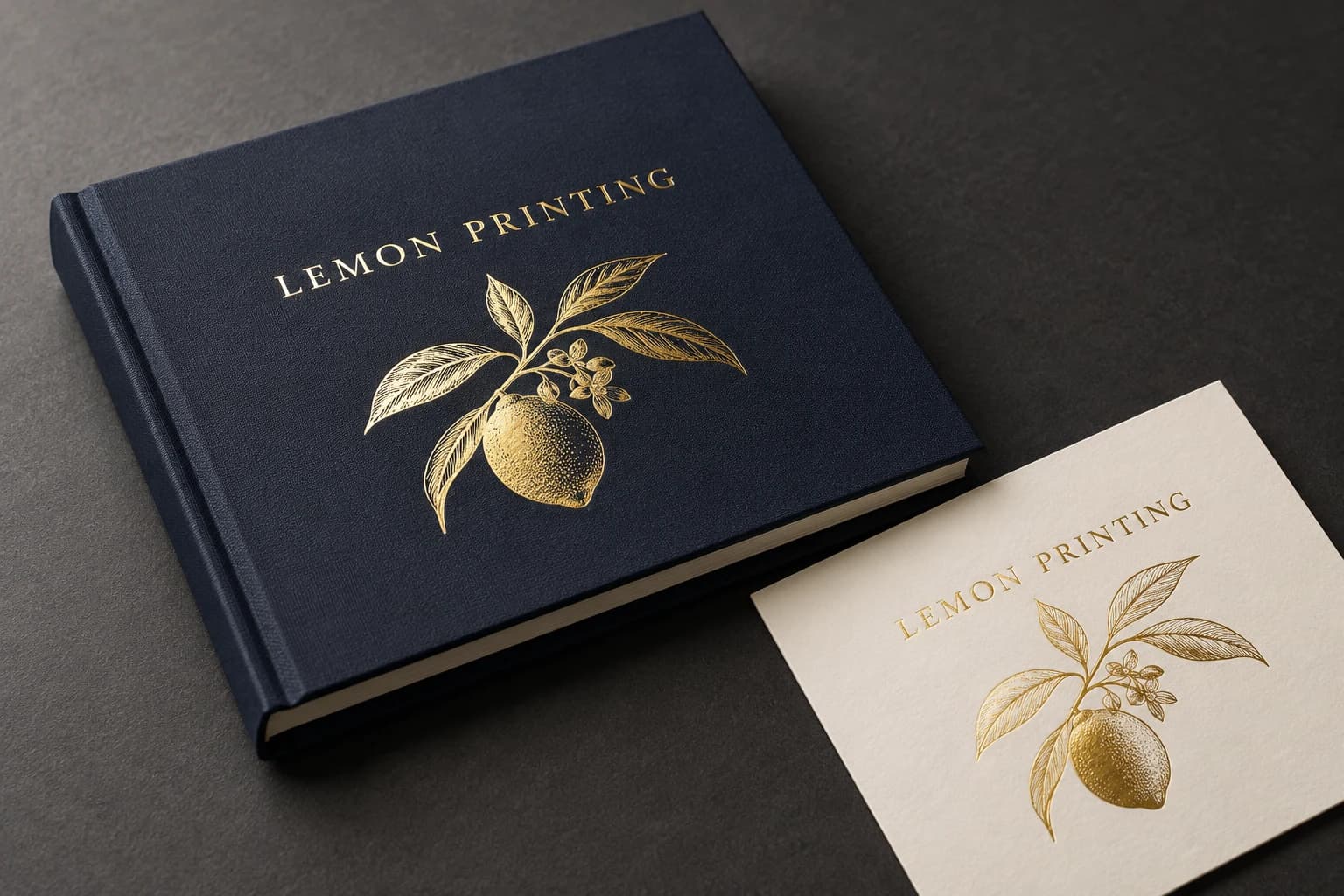
A foil line can break across a coarse weave. Compare the actual cloth and foil on a stamped swatch, enlarge fine strokes where necessary, and inspect both solids and counters before approving the design.
Hinge artwork distorts
Why it happens: Lettering bridges the moving case joint.
Fix and check: Relocate lettering onto a stable board area and inspect the open case.
The cover bows
Why it happens: Moisture and material movement are unbalanced across the case.
Fix and check: Assess a conditioned assembled sample and protect it against damp storage.
When to choose another format
Alternatives to Cloth Cover Book Printing
| Alternative | Use and trade-off |
|---|---|
| Hardcover Book Printing | A printed paper case carries full-color cover imagery; cloth emphasizes texture and selective decoration. |
| Flexibound Book Printing | A flexible cover changes the hand feel and shelf structure; a cloth-covered board case remains rigid. |
Sample and approval
Sample & Proof Checks for Cloth Cover Book Printing
Free samples are available, with preparation completed within 15 days. Confirm the sample scope; courier arrangements and transit time are separate.
Structural sample
Checks dimensions, fit and assembly using unprinted or representative materials. It does not establish final color.
Printed proof
Checks text, image reproduction and artwork on the agreed proof medium. It may not reproduce final assembly or every finish.
Complete finished sample
Inspect corners, hinge movement, foil detail and jacket fit on an assembled sample. Use a printed proof separately for interior color.
From brief to delivery
Order Details for Cloth Cover Book Printing
Build and approve the order in five steps
Define the edition
State trim, page count, block construction and complete books per design.
Select the covering
Identify woven cloth, color, decoration and any printed jacket.
Inspect the material sample
Check weave, stamped detail and case corners rather than approving from a screen image.
Approve the complete build
Record the final case template, interior revision and sample scope.
Plan protected delivery
Separate versions and define corner protection, packed weight and arrival requirements.
- Supply interior pages in reading order with embedded fonts; use the agreed print PDF preset and image resolution at final size.
- Use the final case template for boards, spine, joints and turn-ins; a 3 mm page bleed is not a case-wrap allowance.
- Provide foil artwork as a separate vector spot layer and identify any jacket as its own component.
Project questions
Planning Cloth Cover Book Printing
Is cloth-effect paper the same as book cloth?
No. A woven covering contains textile yarns, while an embossed paper imitates a texture. Specify the material construction, not only the color or trade name.
Will a cloth-covered book open flat?
Covering alone does not establish opening. Page grain, block construction, spine treatment and the case joint must work together.
Can a photograph be printed on the cloth?
The result depends on the particular covering and print process. A printed jacket or inset label is usually a clearer route for detailed photographs.
How is the spine width set?
Use the final page count and measured block thickness with the selected binding. GSM alone cannot establish the case spine.
Specify the finished product.
Send the trim size, interior PDF and page count, quantity, cloth color reference and separate foil artwork. Include jacket requirements, destination and arrival date.