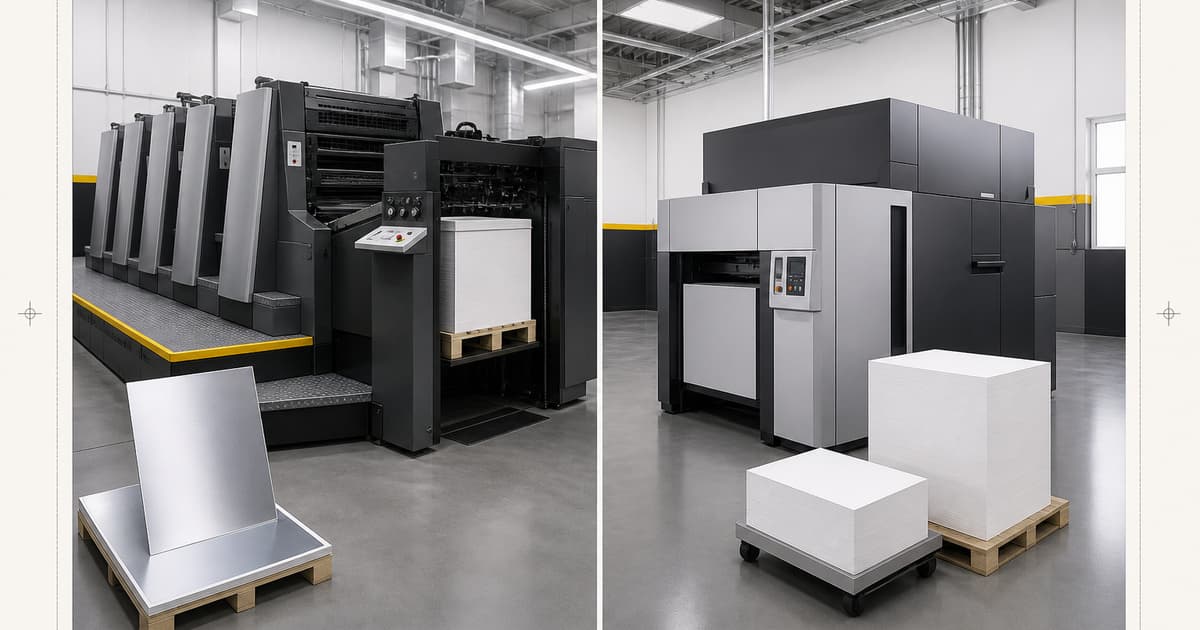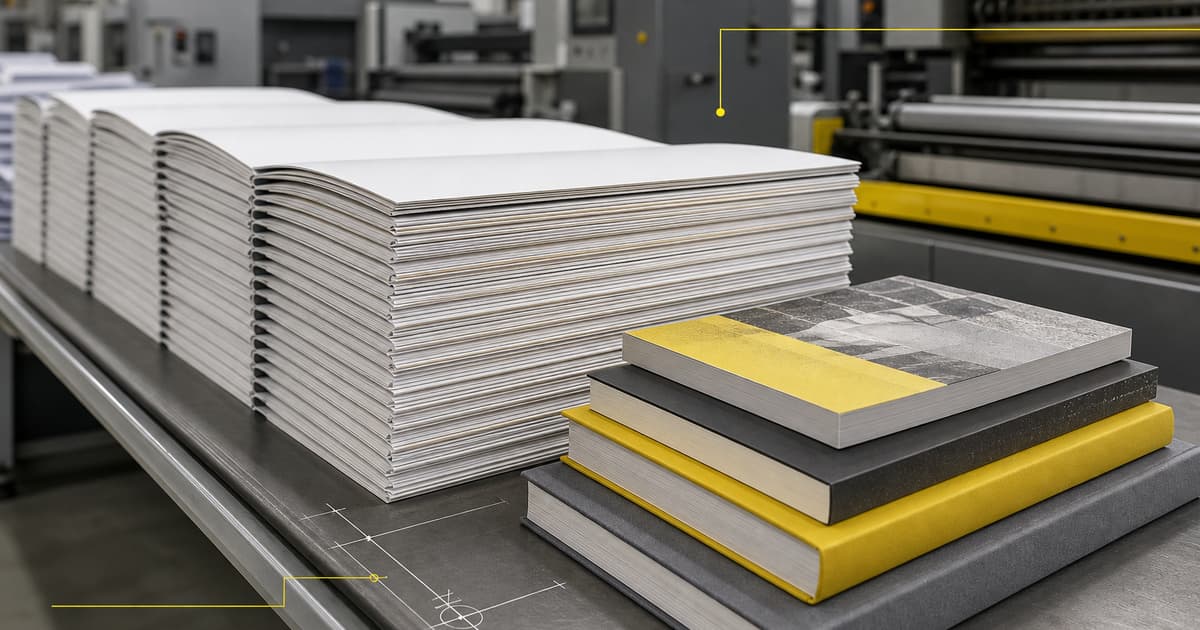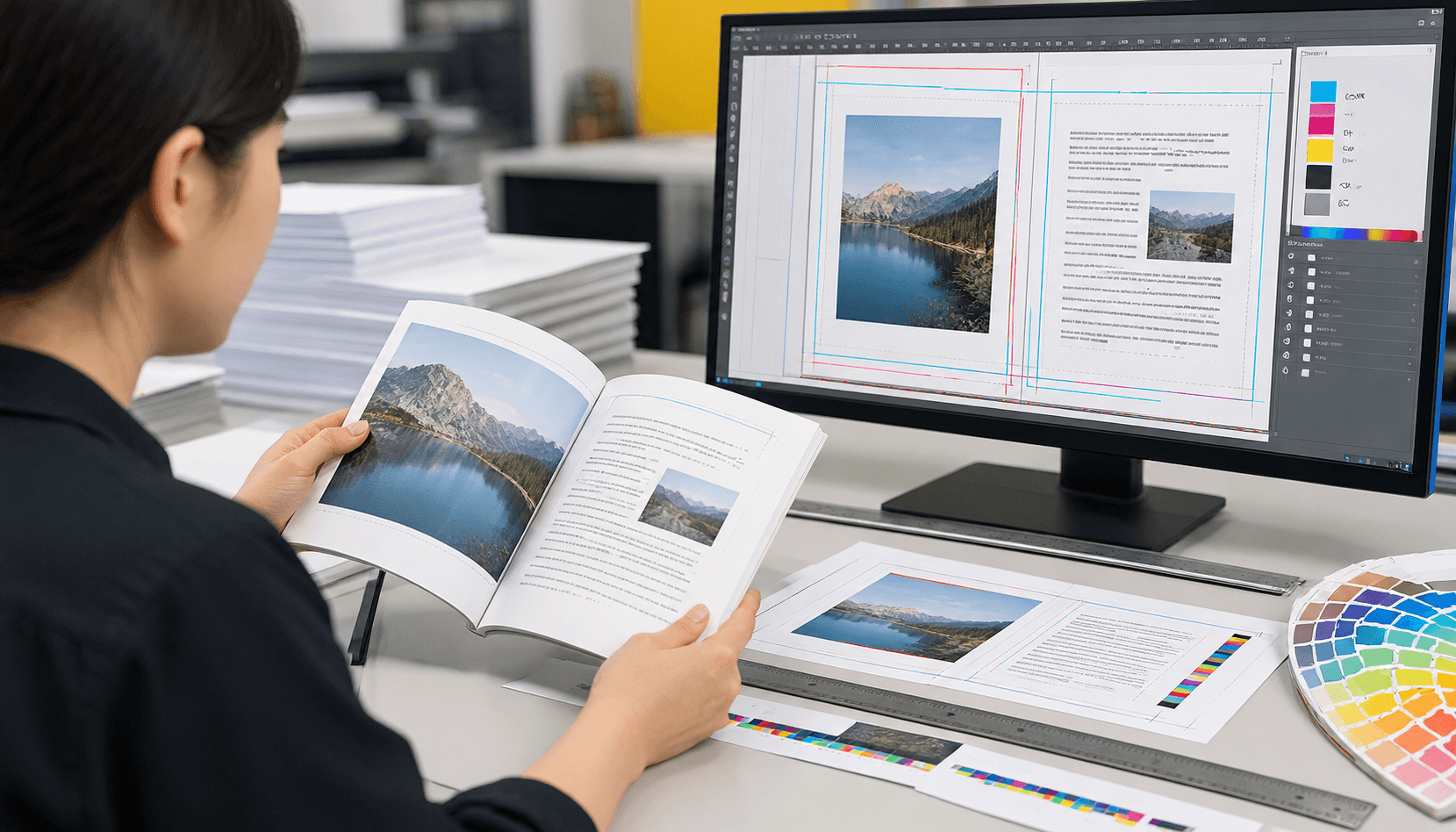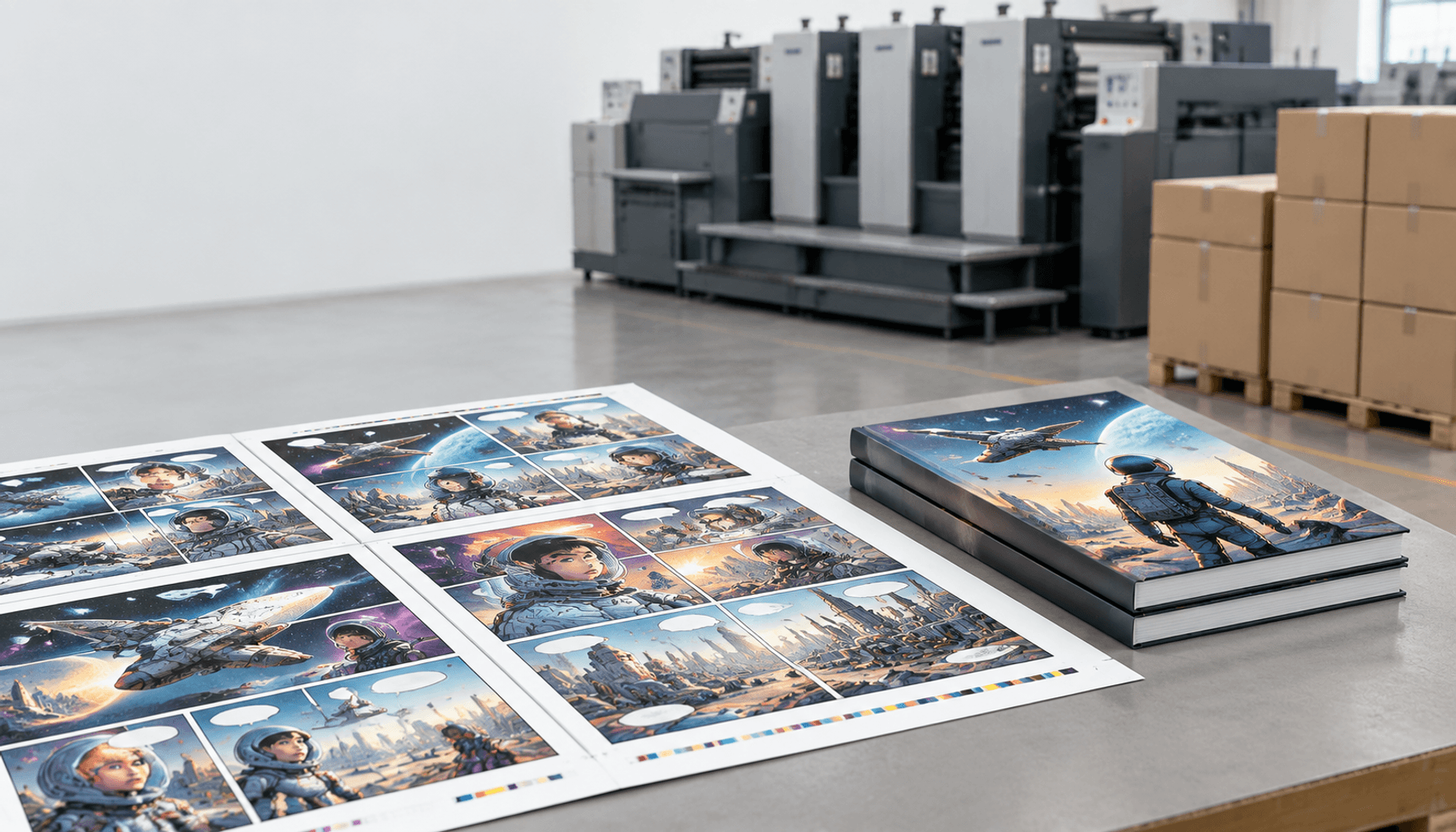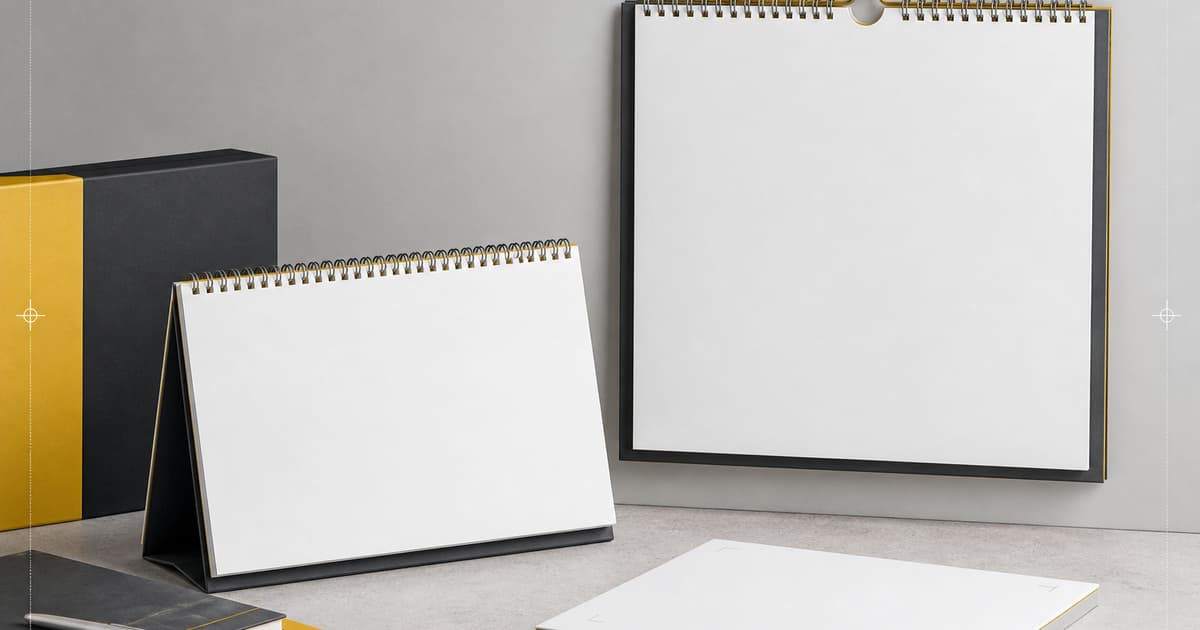
A custom calendar becomes a useful corporate gift when it earns a place on a desk or wall rather than simply carrying a logo. Begin with the recipient and the moment of use: a client planning appointments, a distributed team, an event audience, or a partner receiving a year-end package. The brief should explain the intended usefulness as clearly as the visual idea.
Define the purpose before choosing materials. Is the calendar a practical planner, a brand story, a seasonal campaign, or part of a larger gift? That choice guides the format, amount of writing space, content workflow, packaging, and distribution. It also helps the team decide which details require proofing before the schedule becomes date-sensitive.
Choose a format people will use
Desk calendars suit workspaces where a compact visible planning tool is valuable. Wall calendars create a larger visual canvas and can suit offices, retail areas, or home use. A planner format can give recipients more writing room and longer daily contact with the brand. Review calendar printing formats before deciding how much space the content needs.
Consider the actual setting: available surface, lighting, page-turn frequency, and whether the item will be posted, handed out, or packed in a gift box. A format that looks impressive in a presentation can still be awkward to use or ship. Ask recipients or the distribution team where the item will live, then make the size and construction serve that answer.
Match the construction to the display method
A desk format needs a stable stand, readable angle, and page-turn method that work together. A wall format needs an appropriate hanging approach and enough margin around holes or binding. A planner needs a construction that remains comfortable while pages are written on and carried. State whether a backing board, stand, hanger, sleeve, or presentation box is required, because each affects finished dimensions and packing.
Specify binding and layout together
Binding affects both use and appearance. Wire binding is often evaluated for pages that need to turn easily; other constructions may suit particular desk, wall, or planner formats. Ask how the binding, hanging method, backing board, and holes affect the live artwork area before the grid is final. Essential dates and brand elements should not compete with these construction features.
Build a layout system before designing a collection of unrelated pages. Reserve space for dates, notes, imagery, and brand elements, then test the system with the busiest and quietest months. Keep essential information away from trim, punch holes, folds, and binding. The desk calendar printing page and wall calendar options help frame construction questions.
Date accuracy is a production responsibility as well as an editorial one. Confirm the relevant year, week-start convention, language, regional holidays, and any event dates against an approved source. Keep a version record if markets differ. A grid that is visually correct can still be unsuitable if a language, holiday, or version change was not passed through the approval process.
Use a controlled content sheet for date information. It should identify the source used for each calendar version, the person responsible for checking it, and the approval date. When an organisation adds campaigns, closures, conferences, or regional information, make those additions visible in the same review. This separates factual checking from visual layout feedback and reduces the chance that a late copy edit quietly changes a date field.
Make branding useful, not intrusive
A calendar offers repeated contact, so legibility matters more than a crowded message. Use a recognisable visual system and give dates room to work. If the campaign includes photographs, illustrations, product information, or quotations, establish who owns approval and how late changes will be controlled. The calendar should remain practical when pages are viewed quickly under ordinary office or home lighting.
Think about regional dates, language versions, and recipient groups early. Separate versions can change artwork, data, packing, and distribution. A custom planner printing brief is useful when the item needs structured writing pages or operational information beyond a monthly view. Map versions by file name, quantity, and destination so the pack-out can be reviewed clearly.
Select paper and finishing for handling
Paper affects image appearance, writing, page turn, and finished weight. Finishing can change glare, scuff resistance, and tactile feel. Review actual use: will recipients write on dates, display images under office lights, or carry the piece between meetings? Choose samples against representative artwork rather than selecting by a finish name alone. Include the cover, pages, backing, and packaging in that material discussion.
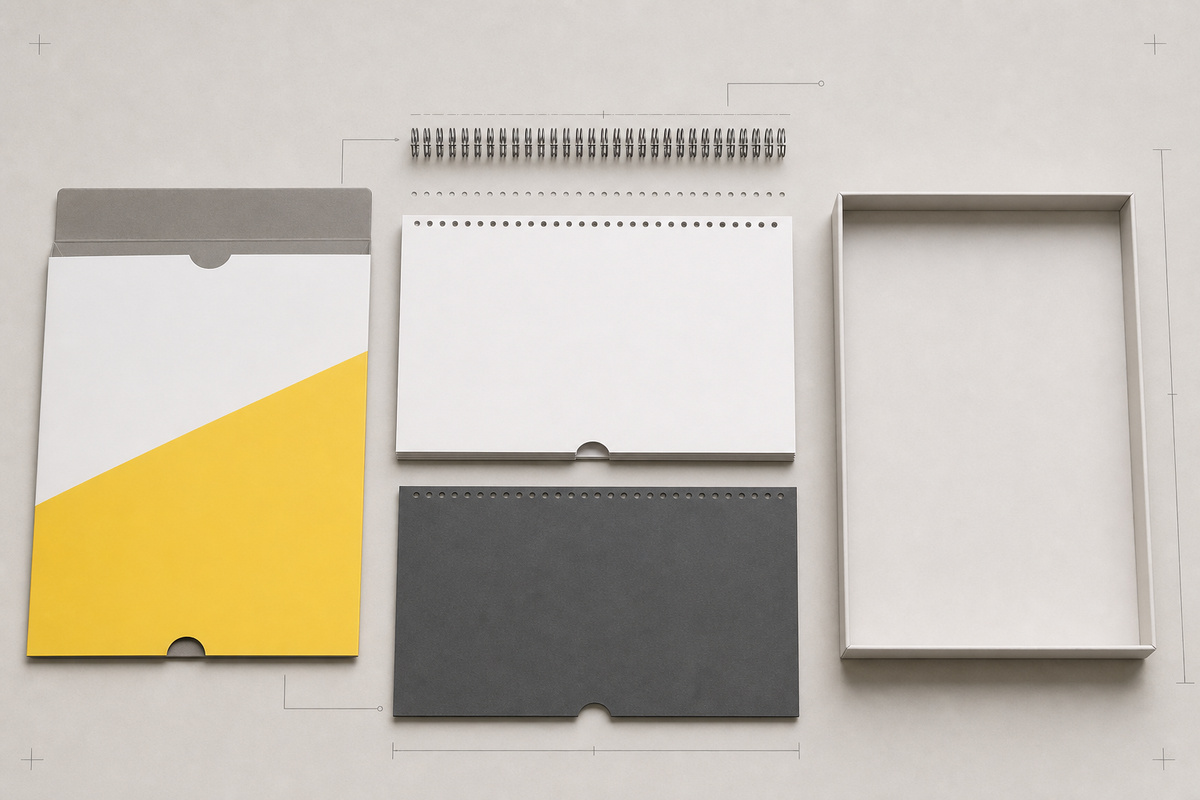
Ask which components are included in the quote. A sleeve, envelope, presentation box, or mailing carton may be as important to the gifting experience as the printed pages. Where the calendar will travel through a distribution chain, describe the protection, labelling, split packs, and receiving requirements. This makes the final pack-out a planned part of the product rather than a late freight question.
Test a packaging idea with the actual calendar dimensions, including its binding and stand. A close-fitting sleeve that works on a flat mock-up may not allow for a wire edge or added board. If multiple calendar versions share a carton, specify how they are counted and separated. These practical checks make it easier to confirm the recipient experience and avoid confusing the warehouse or event team at hand-off.
For gifting campaigns, also decide how the recipient will receive the item. A hand-delivered calendar can use different presentation materials from one sent through a mailing network. State whether a message card, address label, inventory label, or a non-printed insert is part of the pack. Each component should be included in the quote and proof plan where it affects assembly.
Proof, pack, and schedule from delivery
Calendar content is date-sensitive, so approvals need a named owner and a clear deadline. Check dates, language, image rights, logos, page order, and construction in a proof. For unfamiliar materials or color-critical work, discuss whether a physical sample is useful. The production process page gives context for the stages that follow artwork approval.
Work backwards from the recipient date. Include artwork completion, proof review, production, packing, freight, receiving, and onward distribution. State whether goods go to a warehouse, offices, individual addresses, or an event. A calendar that arrives after its intended use window cannot be rescued by a more elaborate finish, so delivery planning deserves the same attention as the visual design.
Send the inputs a printer needs
- Describe recipients, purpose, format, and the required arrival date.
- Give size, page count, quantity, versions, and the status of calendar content.
- List binding, paper, finishing, packaging, and mailing requirements.
- Identify the proof approver and the date, language, and layout checks required.
- Include destinations, labels, split-pack needs, and distribution constraints.
Before release, read the brief from the recipient’s point of view: can the calendar be displayed, understood, written on, transported, and received as intended? This final practical check keeps the gift purpose connected to decisions about format, content, finish, packaging, and distribution.
Share the brief on the calendar quote contact page. A complete request lets the conversation focus on a calendar people will keep and use, with a production and distribution plan that supports the campaign.