Packaging Box Printing · Formats & construction
Mailer Box Printing
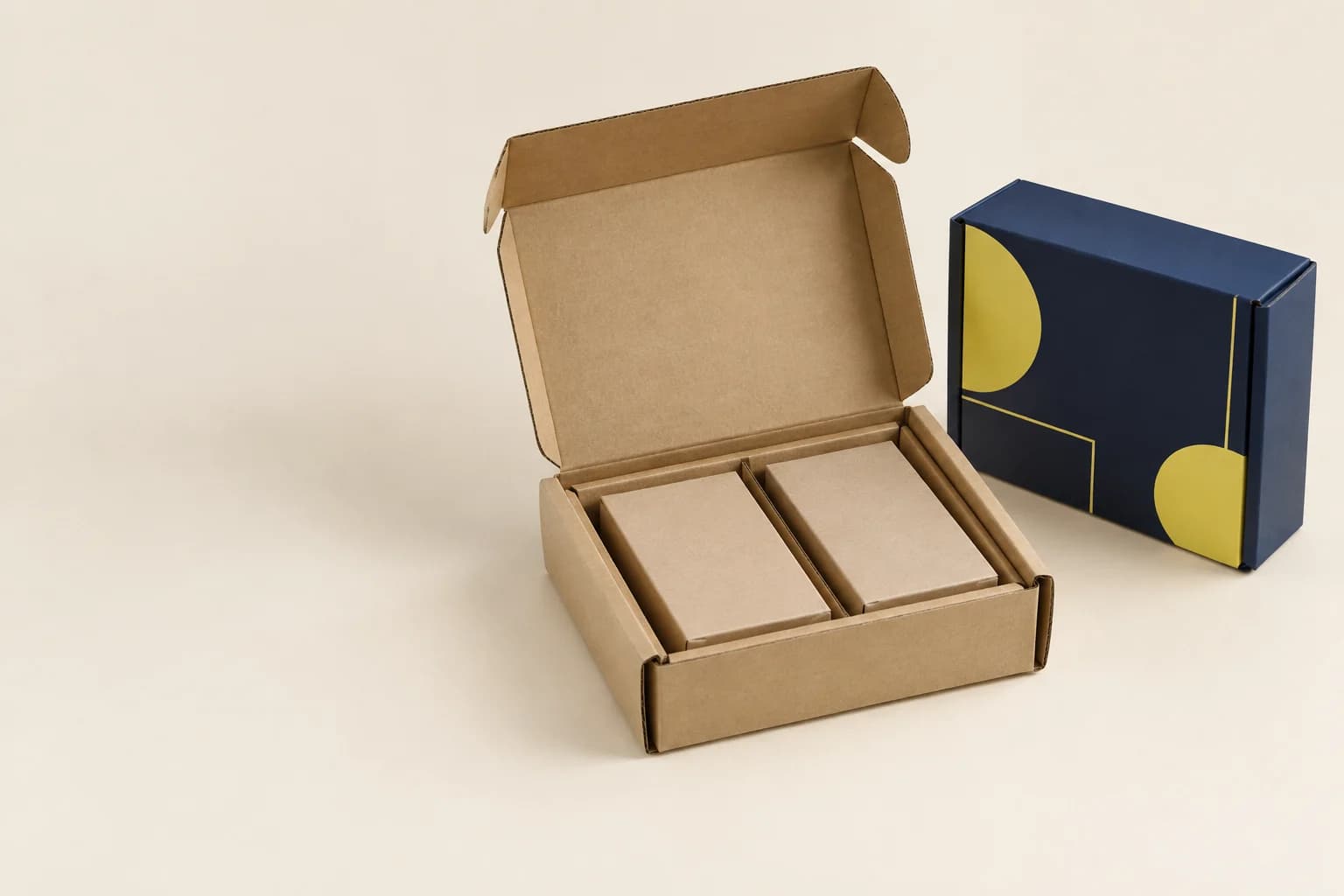
A die-cut corrugated mailer folds into a self-locking enclosure for parcel orders. Size the usable inside space around the product, protection and closing method.
- Die-cut corrugated enclosure with hinged lid
- Kraft or white printable liner choices
- Product fit and parcel protection checked together
Start with the intended use, finished size and quantity. The material and construction can follow.
The product in use
A folded enclosure for the complete parcel
A mailer combines a hinged lid with folded walls and locking features in one cut-and-creased blank. It can ship flat before packing, then form a structured enclosure. The outer finish supports presentation, while the board, insert and closure work together to limit movement through delivery.
What makes up the finished product?
- Corrugated blank
- Liners and fluting form the cut-and-creased enclosure.
- Locks and closure
- Folded walls and lid features establish assembly and retention.
- Insert and product
- Internal protection and the actual contents define the complete tested package.
Specifications and materials
Mailer Box Printing specifications
Use these reference options to build the project brief. Dimensions are design examples; material availability, tooling and production timing depend on the confirmed specification.
| Parameter | Reference or option | Why it matters |
|---|---|---|
| Size | Internal length × width × depth | Include the insert and handling allowance; external dimensions are a separate shipping input. |
| Structure | Die-cut hinged mailer with agreed lock and fold pattern | A style name or FEFCO reference does not establish performance. |
| Corrugated grade | Flute, liners and strength selected for the packed load | Do not specify protection from color or flute name alone. |
| Print surface | Natural kraft or white liner | Kraft color changes the appearance of inks; white surfaces support a different color result. |
| Closure | Designed locks plus an agreed sealing method where needed | Test the complete filled closure rather than an empty folded box. |
Compare the material and its effect.
Choose the surface and construction for the way the finished product will be used. The options below are selection references, not a guaranteed inventory list.
Kraft liner
Natural brown surface
Contributes to the visible color of printed graphics.
Sample check: Approve ink appearance on the actual liner.
White liner
White printable surface on the chosen board
Changes image contrast and background color.
Sample check: Compare print quality, surface rub and fold behavior.
Paperboard or corrugated insert
Cut and folded restraint
Limits movement and can separate accessories.
Sample check: Test the complete filled package, not only the insert shape.
Selected sample focus — Kraft liner: Approve ink appearance on the actual liner.
Format & usable space
Mailer Box Printing: Format & Configuration
250 × 180 × 80 mm internal
Illustrative internal envelope; derive the actual dieline from contents and protection, not from this example.
This is a design reference, not a required size or a manufacturing limit.
Closure planning
Self-locking structure with separately specified security
A mechanical lock can hold the shape; sealing, tamper evidence and reuse requirements must be designed for the actual parcel route.
Parcel planning example
250 × 180 × 80 mm internal
Illustrative internal envelope; derive the actual dieline from contents and protection, not from this example.
Custom internal fit
Internal length × width × depth in mm
External parcel size depends on board caliper, folds and closure.
View the original format reference
Surface finish options
Exterior printed panels or wrap
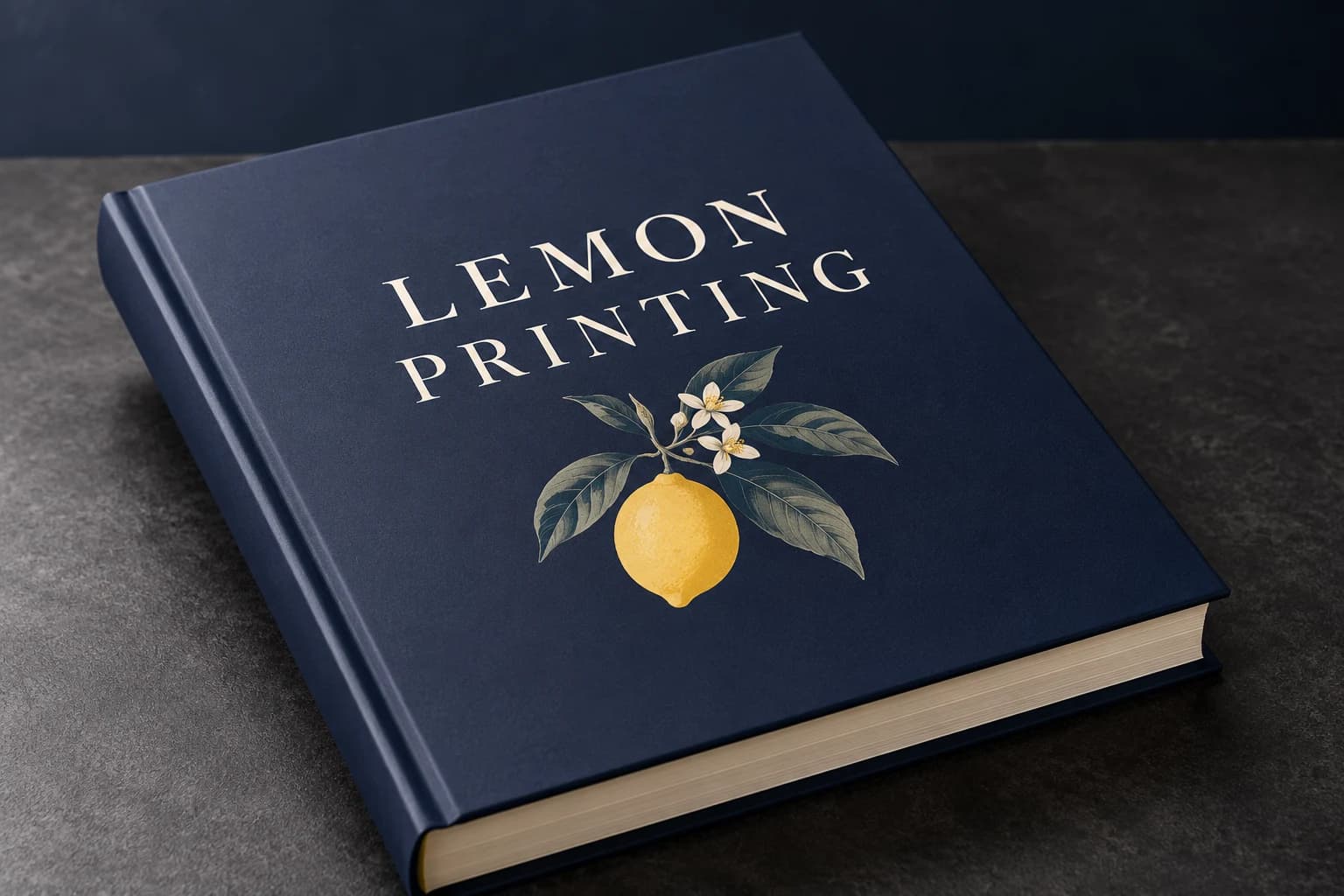
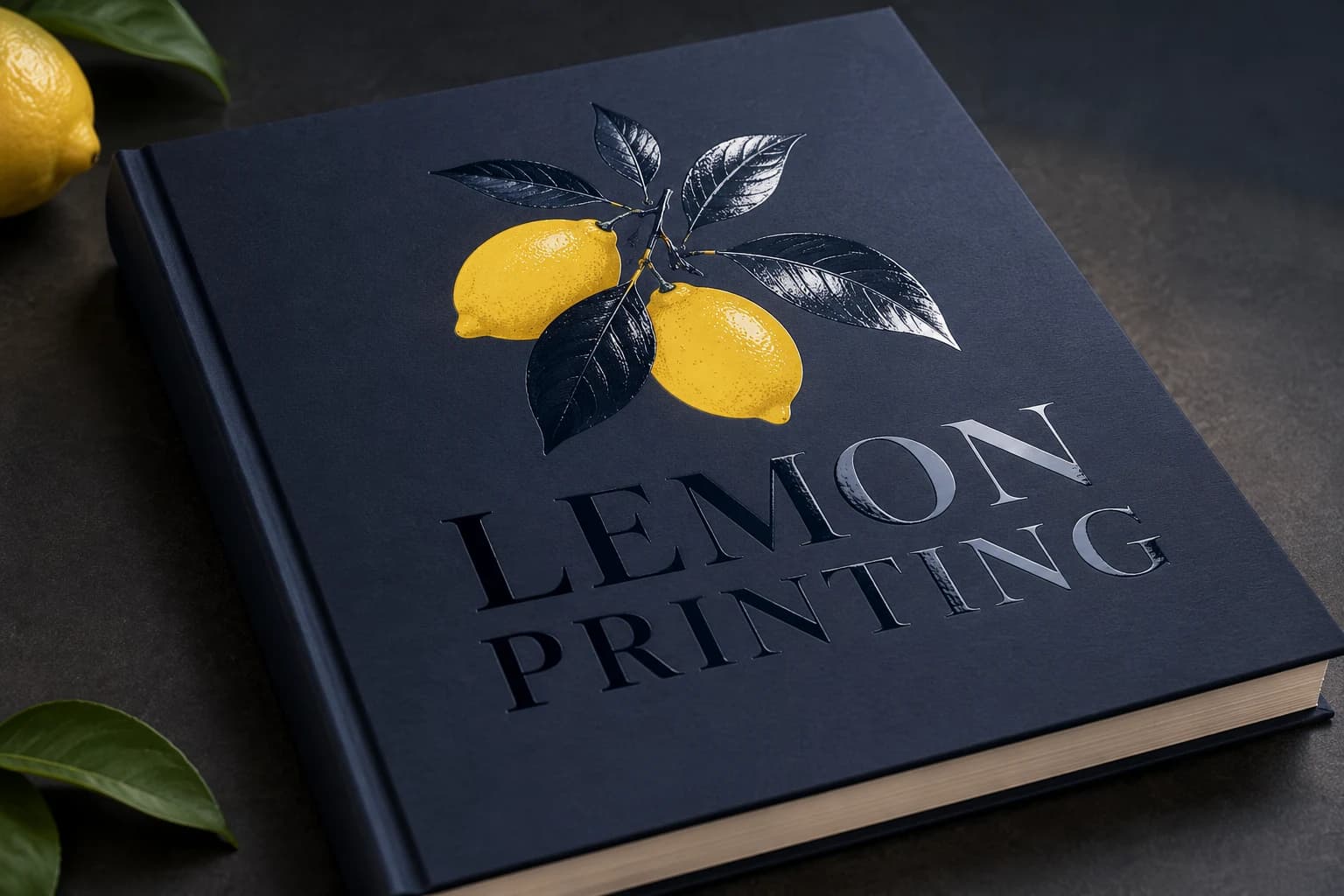
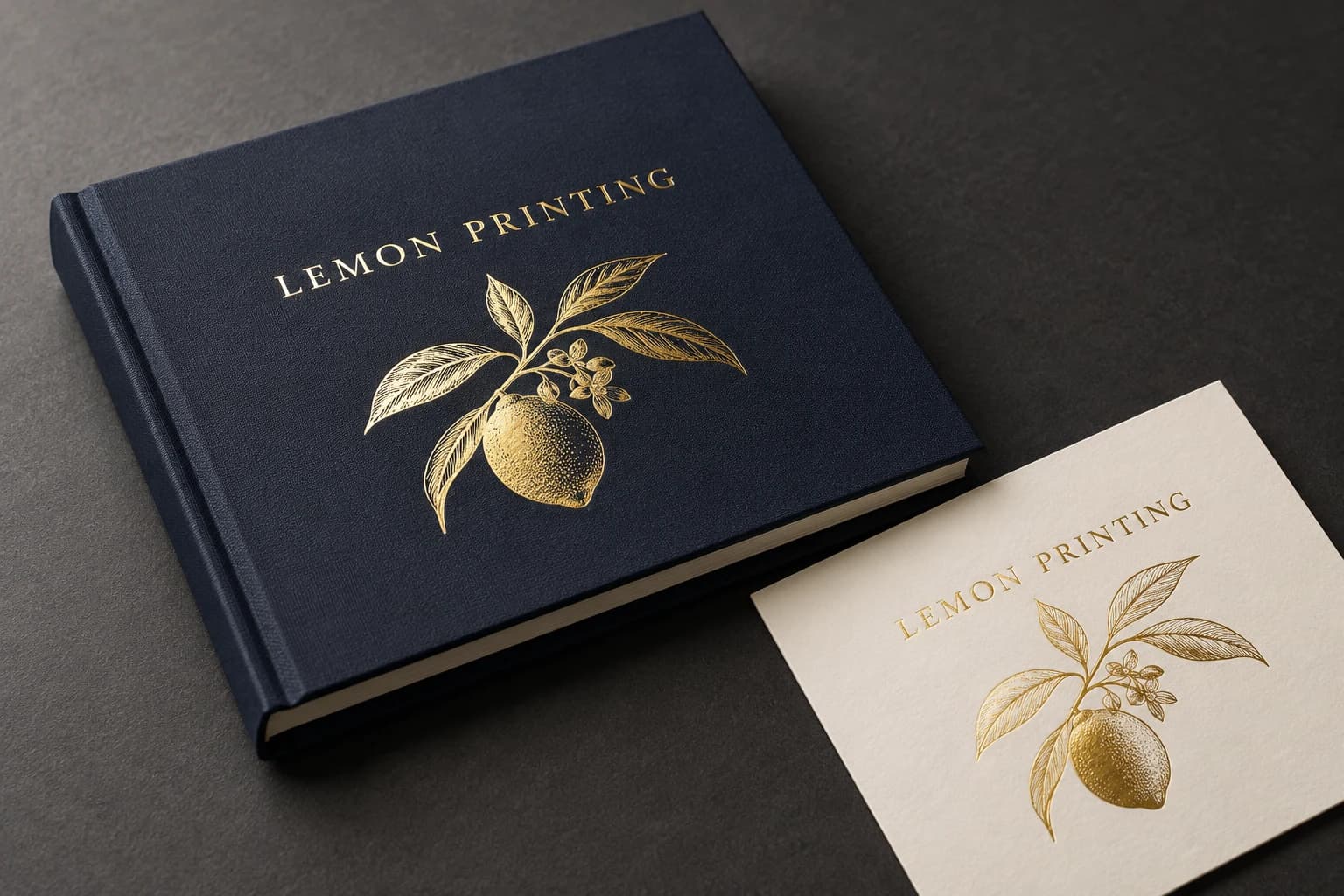
Discuss film, selective gloss and metallic accents on the exterior. Keep glue areas clear and avoid hinges, seams and creases unless tested. For relief, confirm the wrap or board construction, reverse-side effect and tooling separately.
 Matte lamination View effect & artwork guidance
 Spot UV View effect & artwork guidance
 Gold foil stamping View effect & artwork guidance
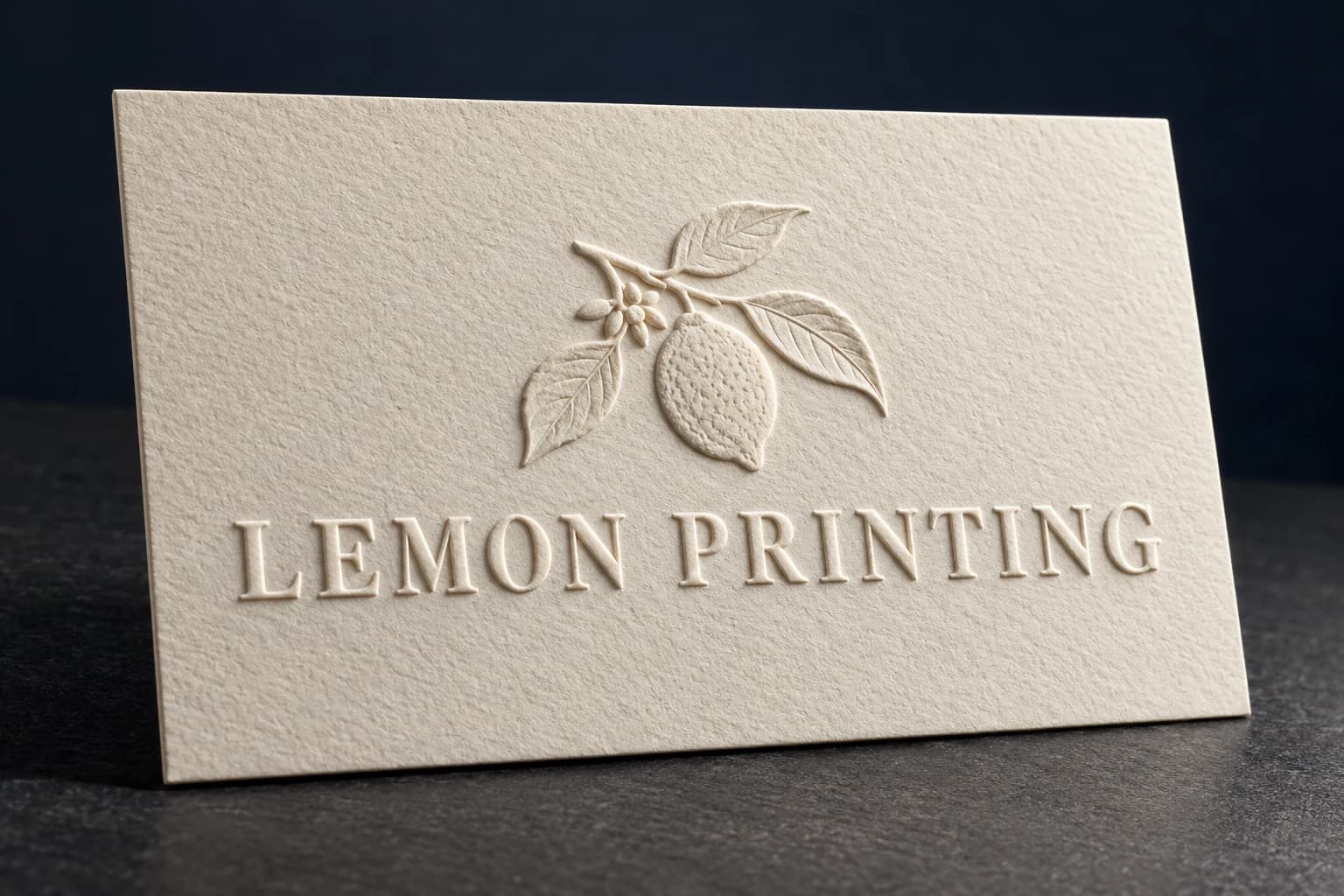 Embossing View effect & artwork guidance
Illustrative finish samples, not photographs of this product. Final suitability follows the confirmed stock, construction and approved sample.
Compare all surface finishesDetails that change the finished product
The board and closure must work with the contents
Derive the dieline from the board
Fold allowances and locking features depend on real caliper. Reusing a dieline from another grade can change fit and assembly.
Choose the print route for the artwork
Simple graphics may suit direct print; fine image work may call for a different liner and print route. Compare a representative printed surface.
Plan the pack-out sequence
Allow staff to place protection, locate the product and close the box without forcing panels. A sample should reveal slow or awkward packing steps.
Mailer Box Printing: Uses & Configurations
E-commerce orders
Balance protection, pack-out time and the external shipping envelope.
Subscription sets
Use an insert to locate the agreed item mix without assuming every month has the same dimensions.
Printed sample kits
Separate components and leave a usable removal point for the recipient.
Solve the risk before production
Mailer Box Printing: Finished-Product Checks
The critical finished-product check
A visually neat mailer may still open or allow the product to move in transit. Test the filled box with its actual closure and insert, then inspect both product condition and package function.
The locking tabs do not seat
Why it happens: Board caliper or fold geometry differs from the approved design.
Fix and check: Use a same-grade structural sample and inspect assembly before artwork approval.
Corners arrive crushed
Why it happens: The packed system is under-specified for load and route.
Fix and check: Review board, insert, voids and distribution testing together rather than increasing size alone.
When to choose another format
Alternatives to Mailer Box Printing
| Alternative | Use and trade-off |
|---|---|
| Kraft Box Printing | Kraft identifies a paper appearance, while a mailer identifies a structure; not every kraft box is a corrugated mailer. |
| Folding Carton Printing | A folding carton uses a different board structure and may need an outer shipper for parcel distribution. |
Sample and approval
Sample & Proof Checks for Mailer Box Printing
Free samples are available, with preparation completed within 15 days. Confirm the sample scope; courier arrangements and transit time are separate.
Structural sample
Checks dimensions, fit and assembly using unprinted or representative materials. It does not establish final color.
Printed proof
Checks text, image reproduction and artwork on the agreed proof medium. It may not reproduce final assembly or every finish.
Complete finished sample
Assemble from flat, pack the real product and protection, close it as intended and assess the full package against relevant handling hazards.
From brief to delivery
Order Details for Mailer Box Printing
Build and approve the order in five steps
Describe the parcel
Provide real product dimensions, weight, fragility and quantity per artwork.
Choose the board and fit
Plan inside dimensions, protection, liner and closure together.
Pack the prototype
Check assembly, product removal, closure and route-related handling.
Approve the structural artwork
Freeze the dieline, board grade, print surface and sealing method.
Specify supply and pack-out
Record flat or erected delivery, storage conditions and the final packing process.
- Use the approved dieline with cut, crease, locks and any glue or seal areas kept separate from printable artwork.
- Identify inside and outside panels and the closed-box orientation before placing graphics.
- Keep barcodes and shipping labels off fold interruptions; follow the supplied dieline for bleed and safe zones.
Project questions
Planning Mailer Box Printing
Are the listed dimensions internal or external?
The example is an internal envelope. External dimensions depend on the board and folded construction and should be stated separately for shipping.
Does a mailer need tape?
The lock establishes structure; sealing and tamper evidence depend on the design and delivery route. Test the actual closure system.
Can bright colors be printed on brown kraft?
They will be influenced by the brown background unless a suitable print system or alternative liner changes that condition. Approve the actual printed surface.
Does a flute type prove a parcel load rating?
No. Liners, grade, dimensions, closure, contents and handling conditions all contribute to performance.
Specify the finished product.
Send product dimensions, weight, fragility, quantity per artwork and destination. Include the intended packing arrangement, liner color and closure or tamper-evidence needs.