Table of Contents
- Board books vs flash cards: Which format fits the teaching activity?
- Use bound pages for a fixed reading sequence
- Use separate cards for sorting and flexible presentation
- Comparison table: Content organization, handling, storage, and set completeness
- How the same learning content changes between formats
- Alphabet and vocabulary examples
- Matching prompts and caregiver instructions
- Five steps to specify and evaluate a learning print format
- How intended age, handling, and destination requirements affect specifications
- Quote checklist: Compare copies, sets, components, and packaging
- Lemon Printing options for board books, flash cards, and learning kits
- FAQ: Selecting board books or flash cards
Board books vs flash cards: Which format fits the teaching activity?
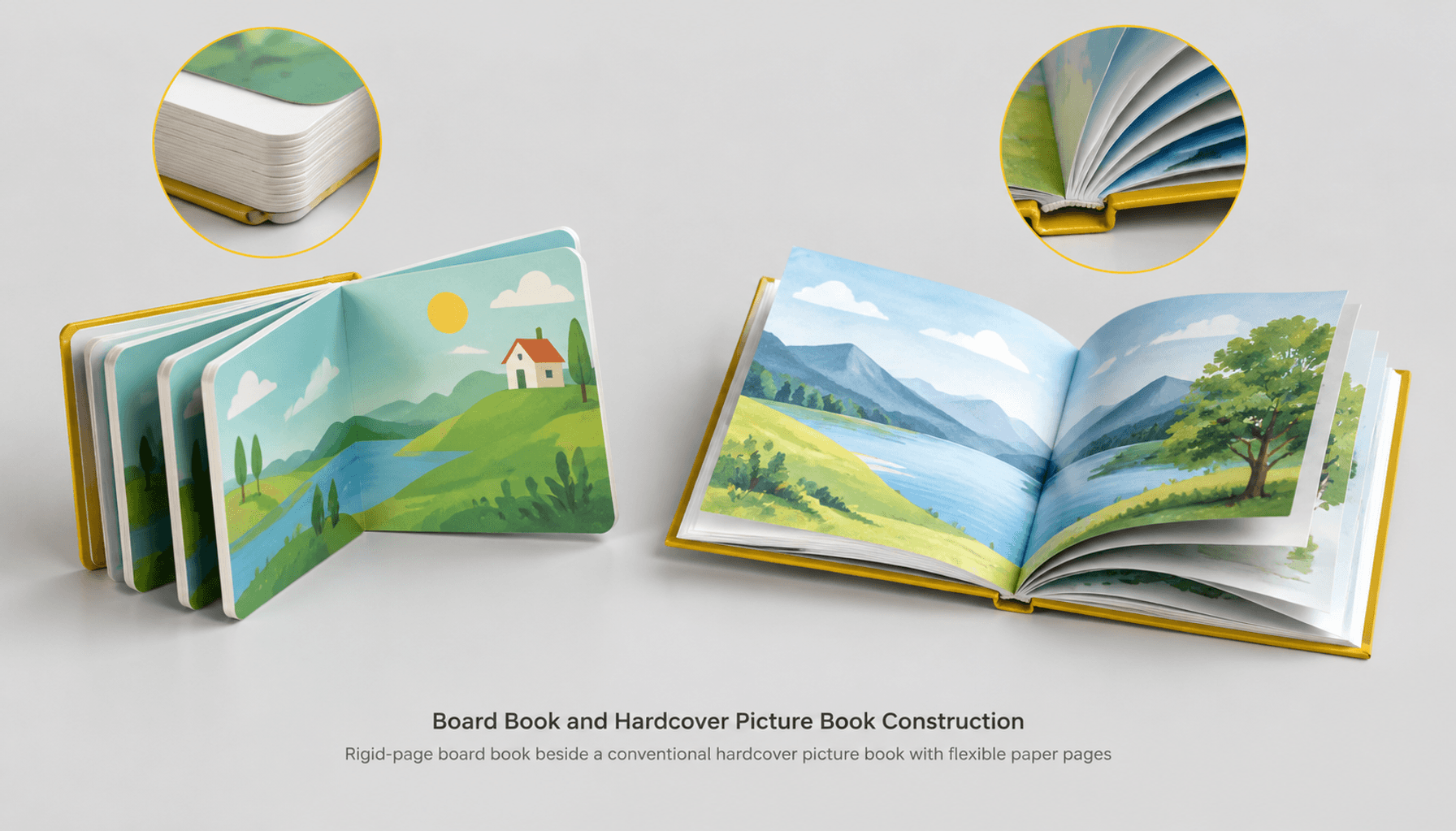
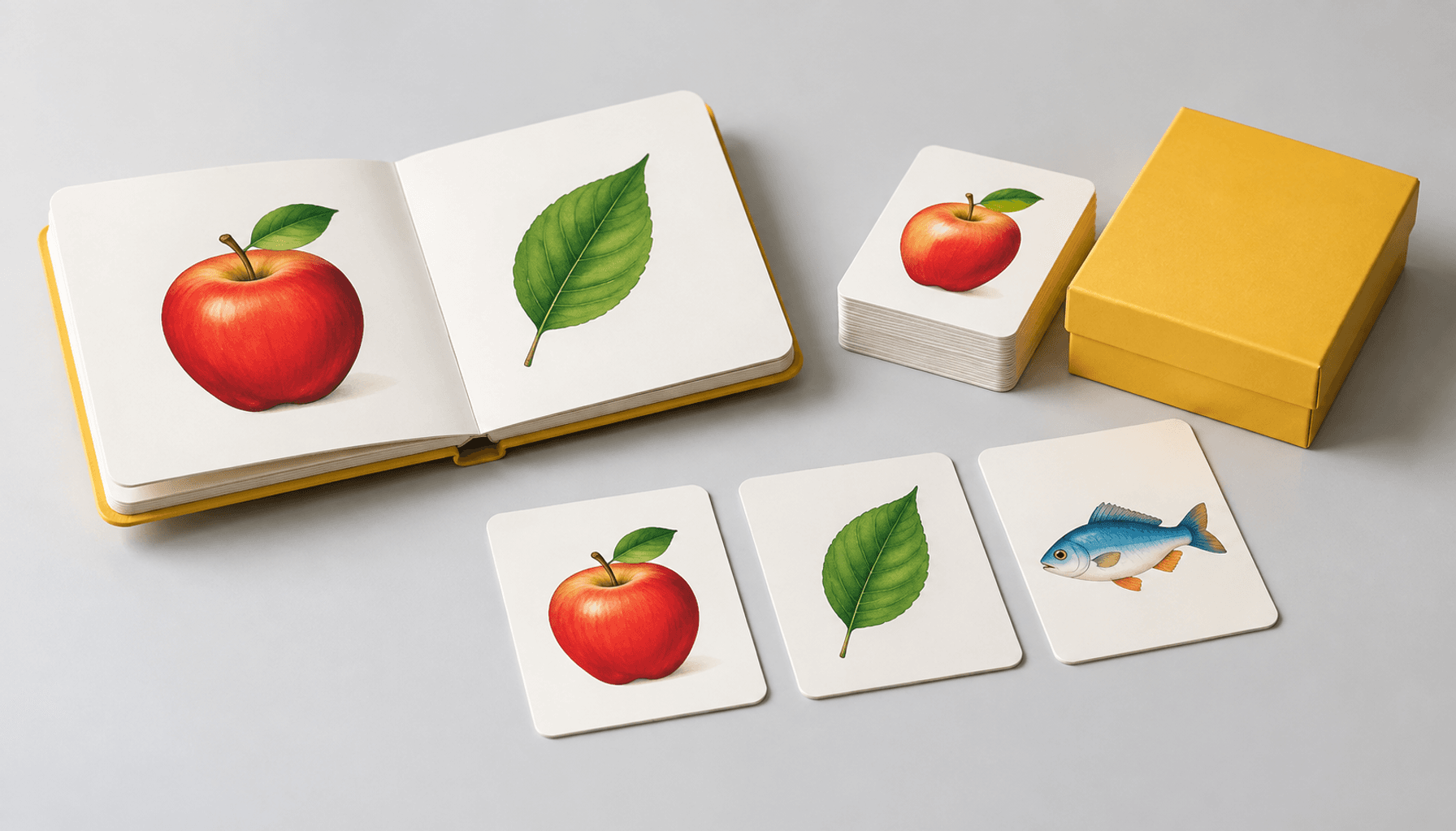
Choosing board books vs flash cards starts with the activity. Choose a board book when pictures, words, or a short narrative should stay together in a planned reading order. Choose cards when learners or caregivers need to select, shuffle, sort, match, or place items side by side.
Neither format, by itself, establishes better learning outcomes. For purchasing, the useful comparison is how many teaching items each product contains, how those items are presented, and what must remain complete during repeated use.
- Board book
- A bound book with thick, rigid pages made using a board-based construction. The exact materials, page thickness, and binding construction belong in the production specification.
- Flash card set
- A collection of separate printed cards. Each card can carry a picture, word, question, answer, or instruction on one or both sides.
- Teaching item
- A defined content unit, such as one letter, vocabulary prompt, or matching pair. It is not necessarily the same as one printed surface.
Use bound pages for a fixed reading sequence
A board book suits a repeated read-aloud sequence, a progression of prompts, or content that needs neighboring pages for context. Binding keeps the pages together, although a reader can still open the book at any spread.
In educational board books, a spread means two facing pages. If a left-page picture depends on a right-page question, treat the spread as one activity in the content plan. Keep essential artwork and text away from the spine area, where opening behavior can reduce visibility.
The handling limit is straightforward: learners cannot separate different pages for simultaneous sorting. After a session, however, the teaching pages remain attached and can return to the shelf as one object.
For custom board book printing, include a page map showing the intended sequence and clarify how interior pages and cover surfaces are counted.
Use separate cards for sorting and flexible presentation
Flash cards suit activities that require changing the order, choosing a small subset, grouping pictures, or placing answers beside prompts. The separate pieces make the content rearrangeable.
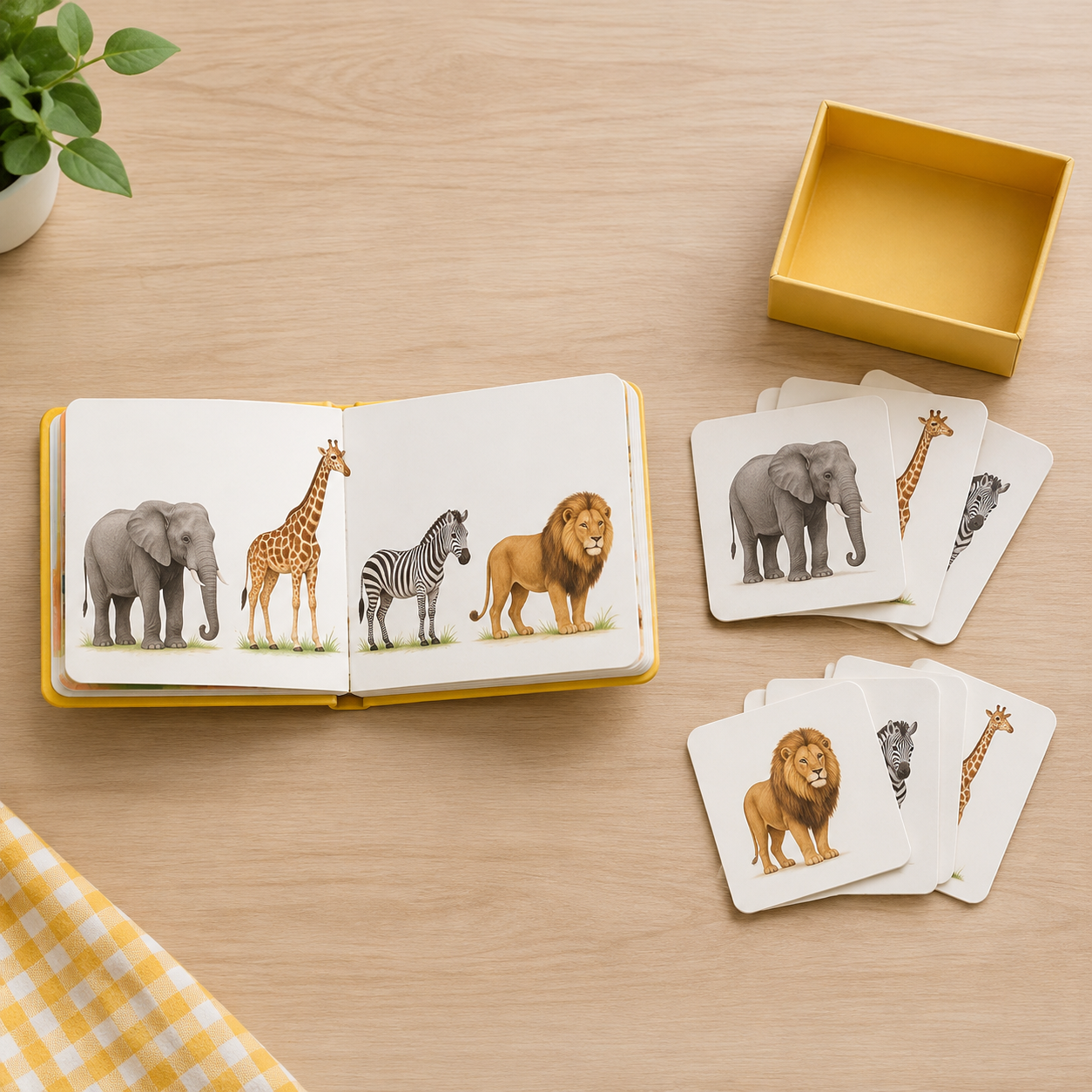
For example, a caregiver can show three animal cards, remove one, or group animals by a stated category. An educator can distribute different cards to several learners. If everyone needs the same picture at once, the order may require duplicate cards or several complete sets.
Custom flash card sets also create a component-management task. Specify the card list, any duplicates, instruction cards, and storage method. A deck can have the correct total count while still containing a duplicate that replaces a missing design.
A custom flash card printing specification should identify every front-and-back pairing and the exact contents of one finished set.
Comparison table: Content organization, handling, storage, and set completeness
Choose the format by the actions the lesson requires and the components someone must manage afterward. Neither a book nor a card set is automatically the lower-cost option; construction, content volume, assembly, and packaging affect the comparison.
| Decision point | Board book | Flash card set |
|---|---|---|
| Content organization | Pages stay in a fixed physical order; neighboring pages can provide context. | Items can be shuffled, selected, grouped, or displayed together. |
| Handling | One bound object to hold and turn; opening behavior affects access near the spine. | Separate pieces to pick up and move; size and stiffness affect grip and tabletop use. |
| Shared activities | Readers generally share the open spread or use additional copies. | Different cards can be distributed; repeated prompts may require duplicates. |
| Storage | Usually stored as one book; any sleeve or box adds another component. | A box, sleeve, or other agreed container keeps the deck together. |
| Completeness check | Verify page sequence, cover version, and absence of missing or repeated content. | Verify card identities, front/back pairs, duplicates, instructions, and packaging. |
| Purchasing unit | One finished copy with an agreed page count and content coverage. | One complete set with an agreed number of teaching and support cards. |
| Cost drivers | Size, page construction, page count, binding, finishing, and packing. | Size, stock, printed faces, finishing, sorting, counting, and set packaging. |
How the same learning content changes between formats
The same illustrations can be used in both formats, but the layouts usually need separate preparation. A book spread and a card have different proportions, viewing conditions, and relationships between questions and answers.
For early learning print materials, keep an approved content inventory before adapting artwork. Record each illustration, label, prompt, and answer. Then decide what appears together, what appears on the reverse, and what must be visible simultaneously.
These teaching material formats can share source artwork without sharing the same print-ready PDF. Crop, text size, bleed, and safe margins must suit each finished product.
Alphabet and vocabulary examples
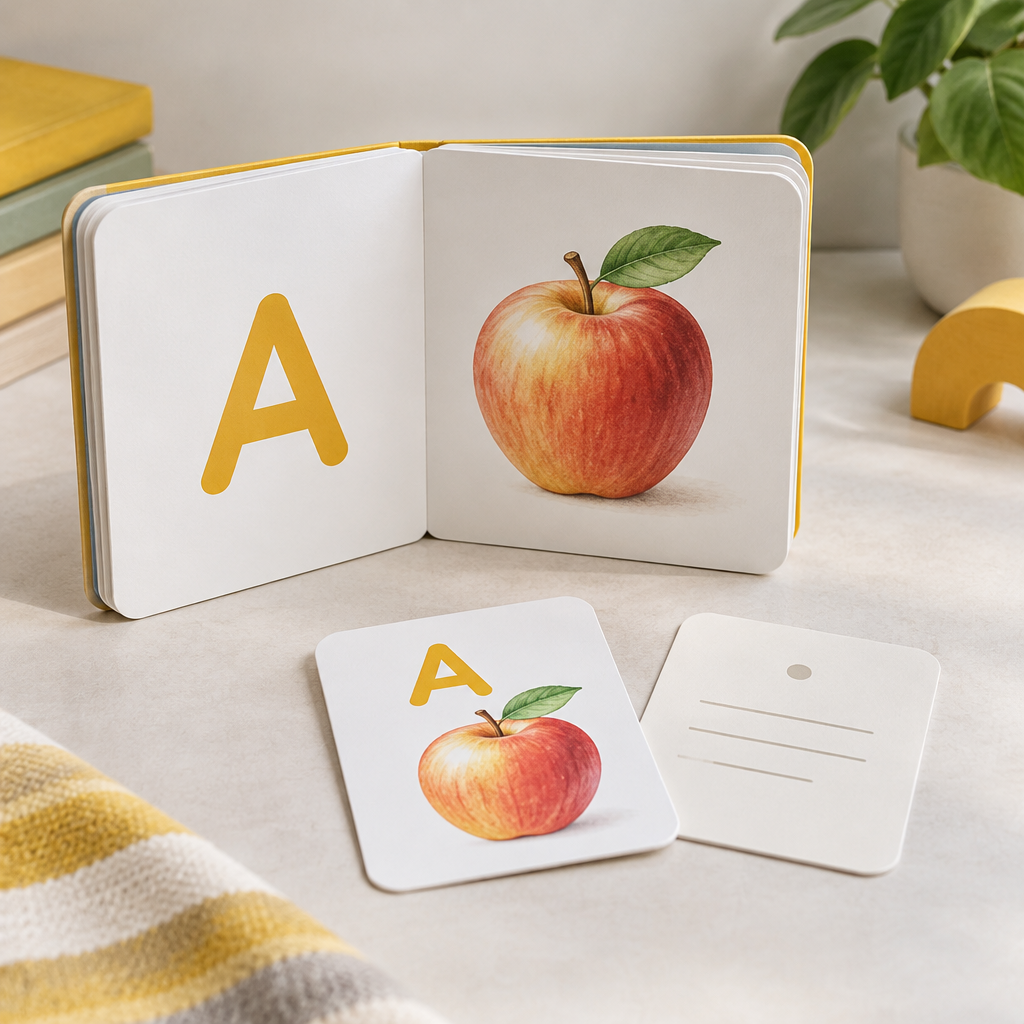
An alphabet book can hold the A-to-Z sequence together; alphabet cards can present the same letters in any selected order. Count the letters taught separately from the surfaces printed.
Suppose the content contains 26 letter-and-picture items. A book layout could place one item on each of 26 interior printed pages, with cover surfaces specified separately. Confirm that page-count convention and construction with the printer before treating it as a production specification.
A corresponding deck could contain 26 cards, each with a letter and illustration on the front and a caregiver prompt on the back. That creates 52 printed card faces, while still covering 26 letter items. Adding two instruction cards makes a 28-card set.
Vocabulary needs the same planning. A picture and its word on one book spread can be viewed together. A picture on a card front and the word on its back require turning the card. If the activity requires pairing a picture card with a separate word card, specify two physical cards per vocabulary pair.
Check illustration cropping and label size in each layout. A smaller card should not inherit book text sizes without a readability review at actual size.
Matching prompts and caregiver instructions
Use separate cards when matching requires moving two pieces together. A board book can present a matching question on a spread, but the response takes place through pointing or discussion unless separate components are supplied.
For example, 12 picture-and-word pairs require 24 cards if each picture and each word must be independently movable. Printing the word on the back of its picture card produces 12 two-sided cards with a different activity structure.
Decide where caregiver instructions belong. A book can carry them in a designated spread or alongside the activity. A deck can include a reference card or leaflet, but that support piece must be counted, packed, and checked.
For a memory-style matching activity, decide whether card backs should be uniform so they do not reveal the answer. For adult-led vocabulary practice, useful reverse-side prompts may be preferable. Approve the intended front/back arrangement before artwork is imposed for printing.
Five steps to specify and evaluate a learning print format
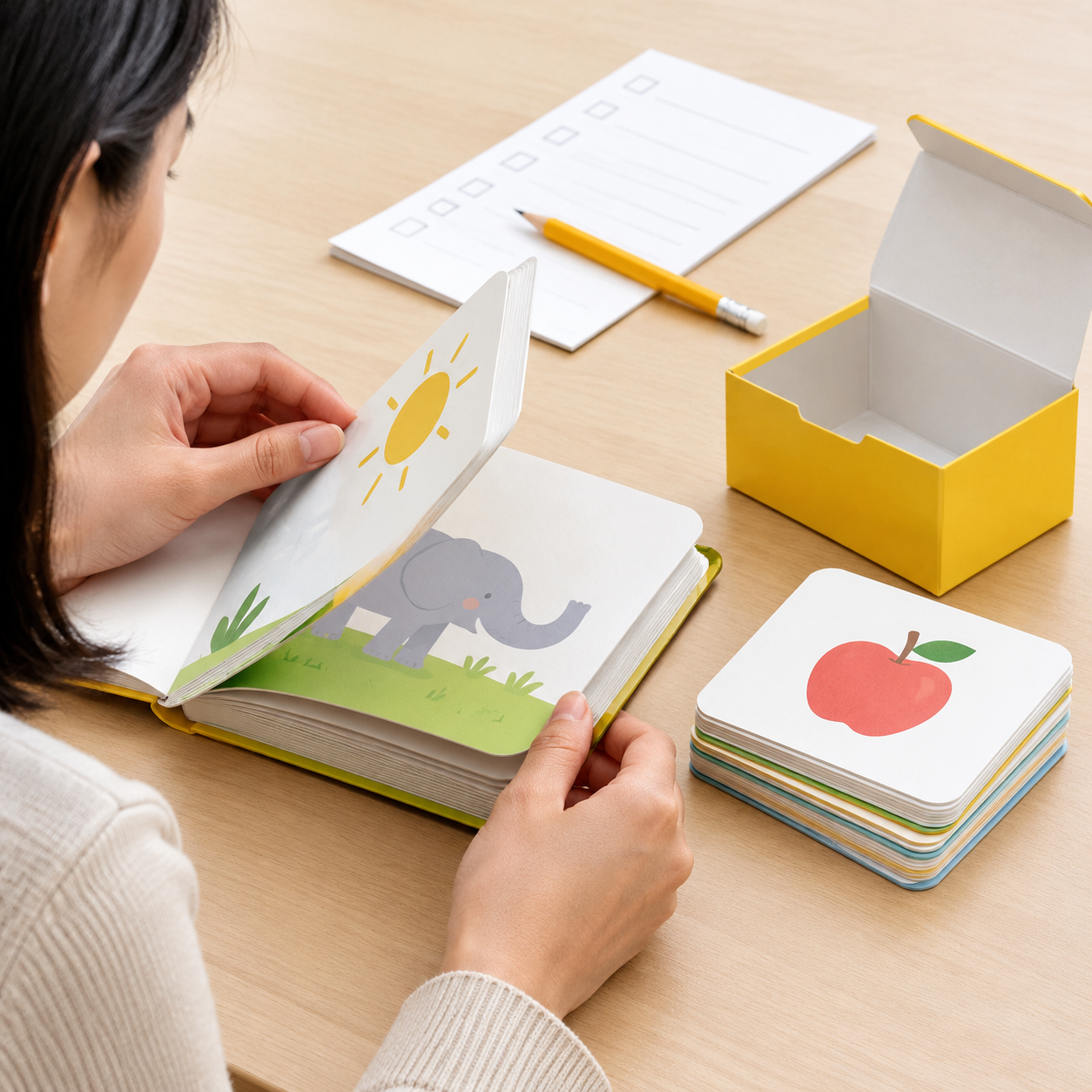
Evaluate the format with a content inventory, an actual-size layout, and a production-representative sample. The review should cover both the teaching activity and the finished product’s construction and completeness.
- Map the content. List every teaching item, answer, instruction, and required duplicate. Identify fixed sequences, movable pairs, and items that must appear together. Assign page references or card IDs so omissions can be traced.
- Define intended handling. Describe adult presentation, learner handling, shared classroom use, or take-home use. Check whether the proposed size fits the intended grip and whether cards can be laid out within the available workspace.
- Review an actual-size dummy. A dummy is a prototype used to check layout or construction. A blank structural sample can show thickness, opening, and package fit. A digital proof checks content and placement. Confirm which decisions each sample supports.
- Inspect a production-representative sample. For books, review page turning, opening near the spine, glued surfaces, edges, sequence, and readability. For cards, review stiffness, front/back orientation, corner cutting, surface finish, paired designs, and removal from the box. Agree measurable tolerances for trim size, corner radius, and front-to-back position.
- Verify one complete resource. Check the book against its page map or the deck against its card manifest, a list of required components. Include instructions and packaging. Count pieces and confirm identities: a correct count alone cannot detect every duplicate-and-missing-card error. Agree how set checks will be performed during packing.
Use printing and assembly process guidance alongside quality and proof review checkpoints to document approvals for content, construction, and the complete packed product.
How intended age, handling, and destination requirements affect specifications
Intended age and handling should guide size, rigidity, edge treatment, finishes, and packaging. Describe who touches the materials and how they will be used before choosing stock.
GSM means grams per square meter and measures paper mass per area. Caliper means thickness, normally expressed in millimeters. GSM alone does not establish how stiff a finished card will feel. For a board book, specify the finished page construction and thickness rather than relying on the covering paper’s GSM.
Review rounded corners together with cut-edge quality, page integrity, and handling. For cards, check whether users can separate individual pieces from the stack. For books, check whether thick pages turn comfortably and whether the opening exposes the intended content.
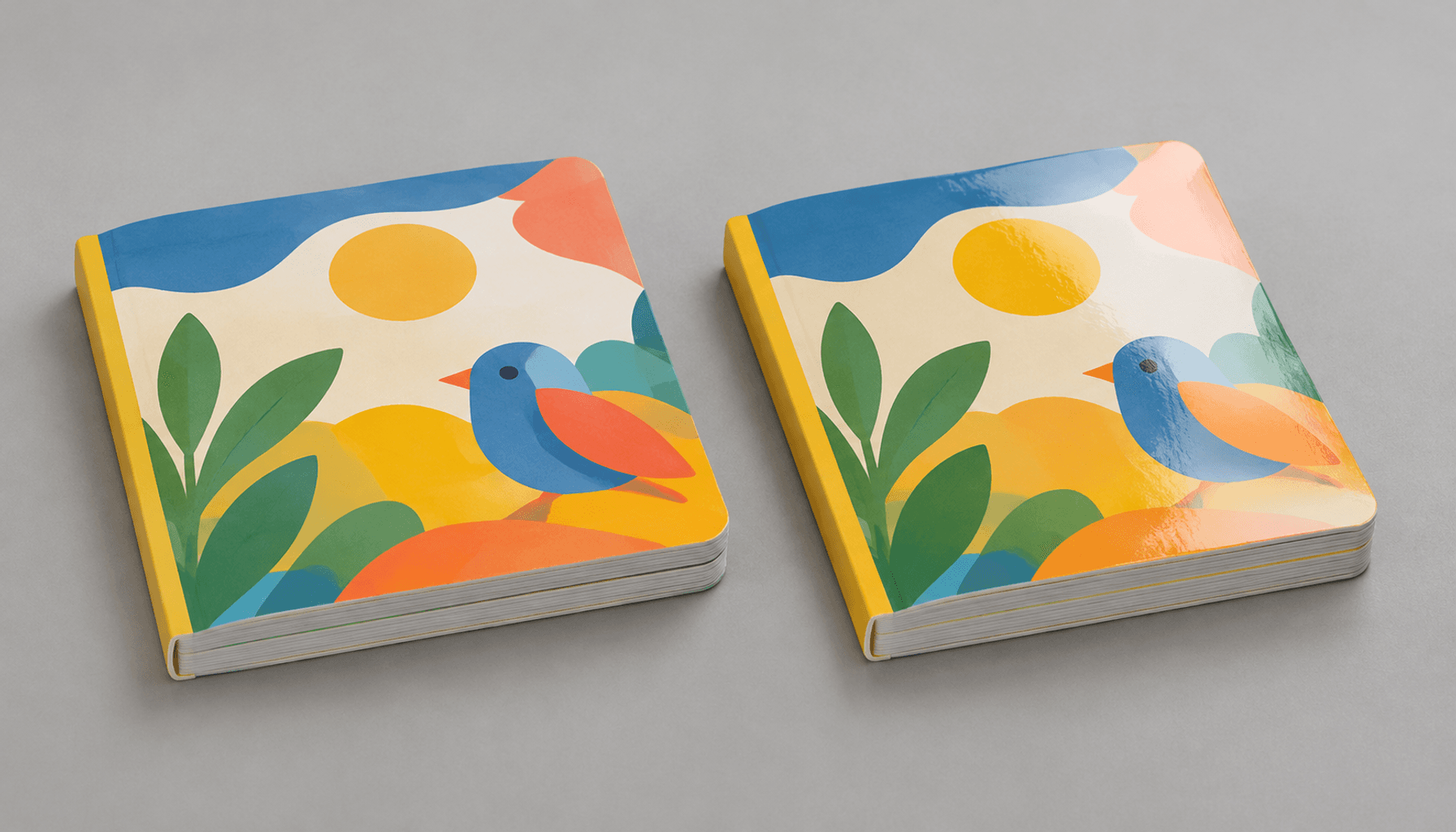
Finish affects glare, friction, and appearance. If cleaning is expected, ask for an agreed cleaning method and evaluate the sample accordingly. Lamination does not automatically establish washability or suitability for mouthing.
For US delivery, confirm product classification and applicable children’s-product testing and labeling requirements with your importer or a qualified testing provider. Intended use and kit components can affect those requirements. Record the age range, destination, required documentation, and any packaging restrictions in the quote brief; confirm them before approving materials.
Quote checklist: Compare copies, sets, components, and packaging
Compare book and card quotes by equivalent content coverage and the number of complete resources required. Then compare the quoted scope and total landed cost, including applicable freight, duties, and destination charges.
For example, request 1,000 complete resources covering the same 26 alphabet items. A 26-card deck with two instruction cards contains 28 physical cards per set. The instruction cards affect production and packing, but they do not add two alphabet items.
Use these educational print specifications in both requests:
- Order unit and quantity: Finished book copies, complete card sets, or assembled kits; state quantities for each language or artwork version.
- Content count: Interior printed pages and cover surfaces for books; teaching cards, duplicate cards, reference cards, and printed sides for decks.
- Finished size: Width × height, orientation, and any different sizes within the set.
- Materials: Proposed board construction and finished page thickness, or card stock, GSM, and finished caliper.
- Printing and finishing: Color requirements, front/back pairings, binding construction, coatings or lamination, and corner treatment.
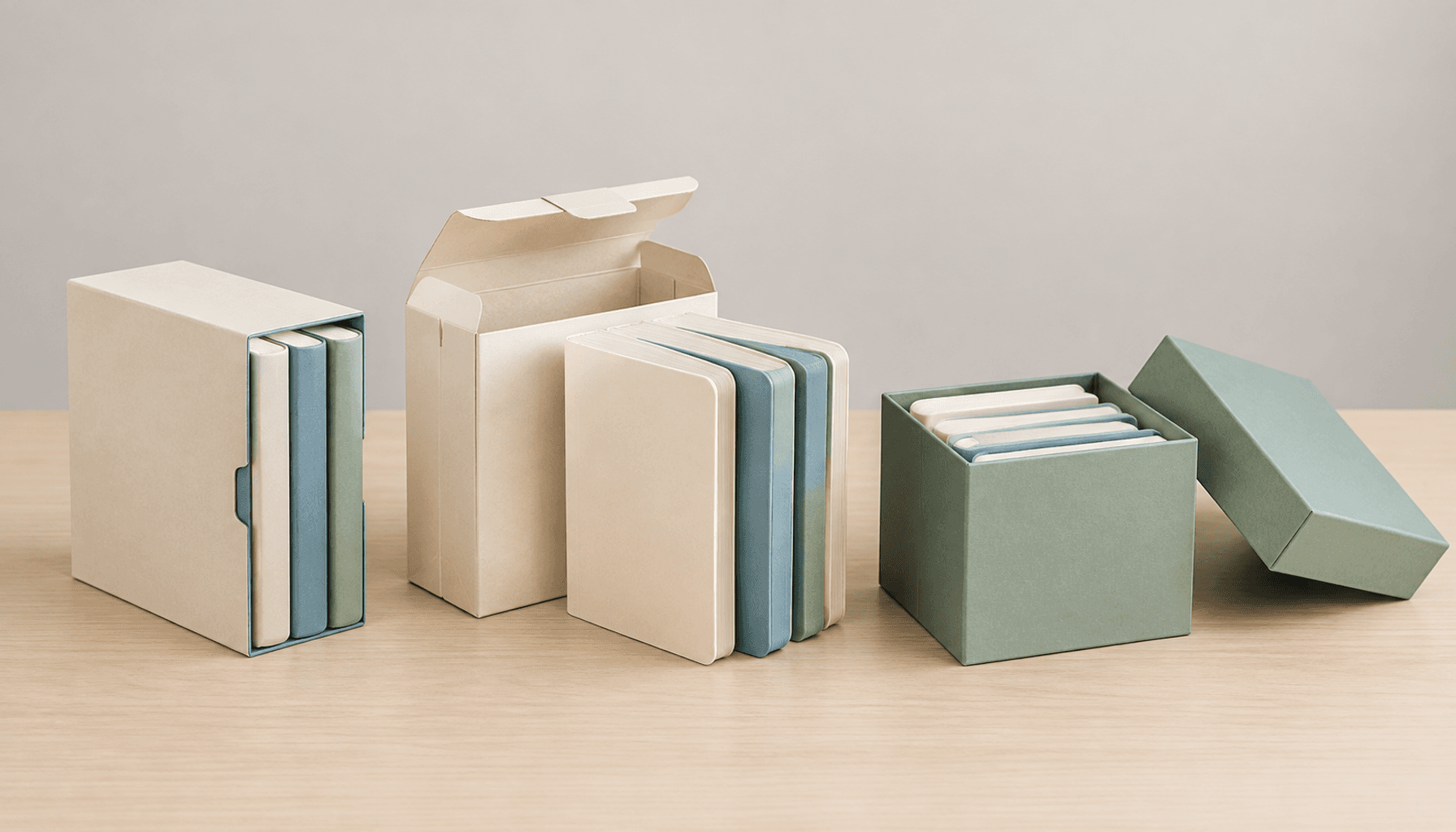
- Packaging: Individual containers, instruction leaflets, kit contents, assembly requirements, carton quantities, and labeling.
- Approval and inspection: Proof types, sample scope, agreed tolerances, and checks for page order or complete card identities.
- Use and delivery: Intended age, handling, required documentation, US delivery address or ZIP code, target receipt date, and the agreed shipping scope.
Confirm whether packaging, assembly, proofs, and shipping are included or quoted separately. For a combined kit, request a bill of materials: an itemized list of every component and its quantity per kit.
Lemon Printing options for board books, flash cards, and learning kits
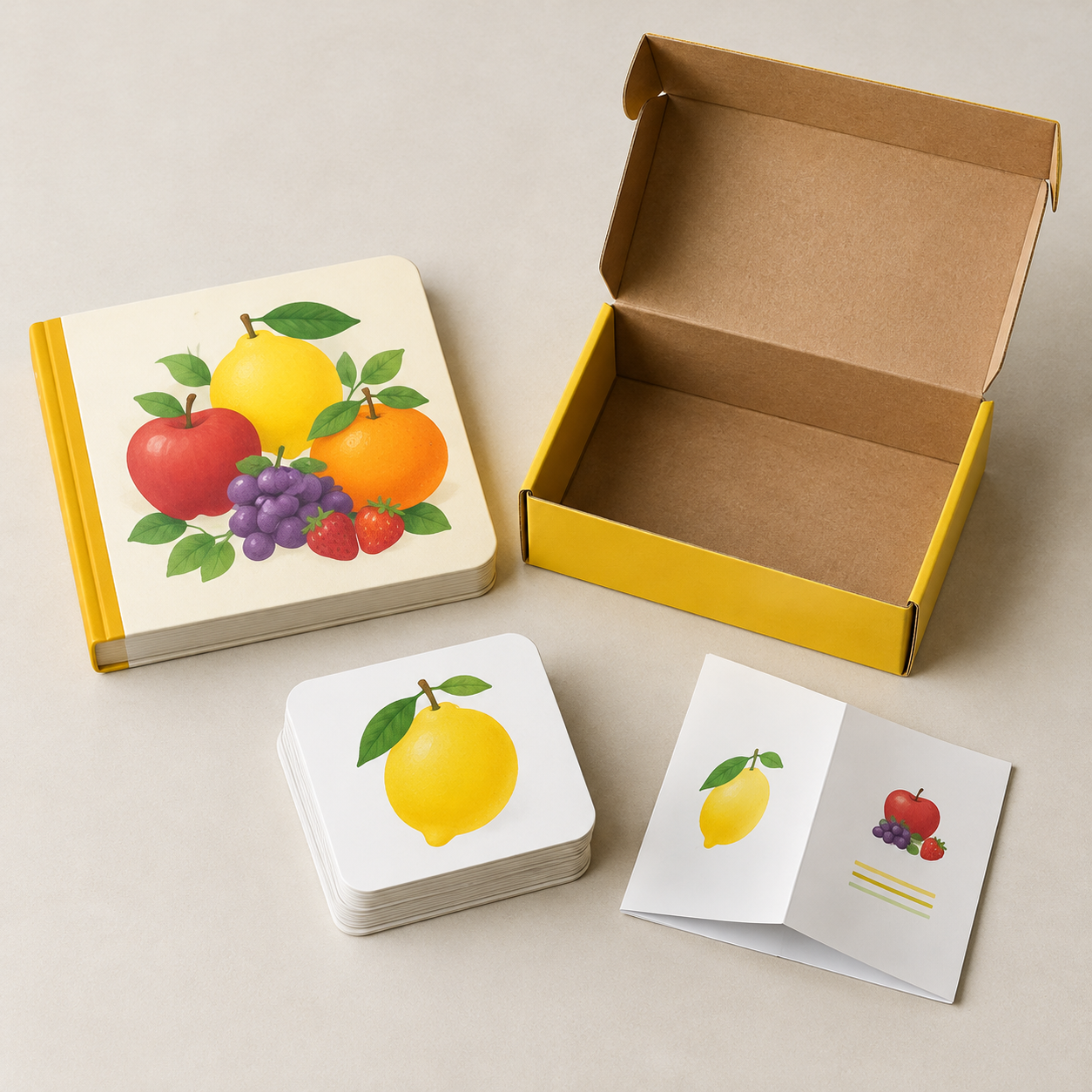
A learning kit can include both a board book and flash cards. Give each component a defined role, such as a bound reading sequence plus loose matching pieces, and specify the complete kit as the purchasing unit.
| Format | Role in the activity | Specification to resolve |
|---|---|---|
| Board book | Keep connected content and caregiver-led reading together. | Page map, board construction, opening, cover count, and finishing. |
| Flash card set | Allow selection, sorting, matching, and separate presentation. | Card manifest, stock, front/back pairs, duplicates, and container fit. |
| Book-and-card kit | Combine a reading reference with movable activity components. | Bill of materials, instructions, assembly, component checks, and packed dimensions. |
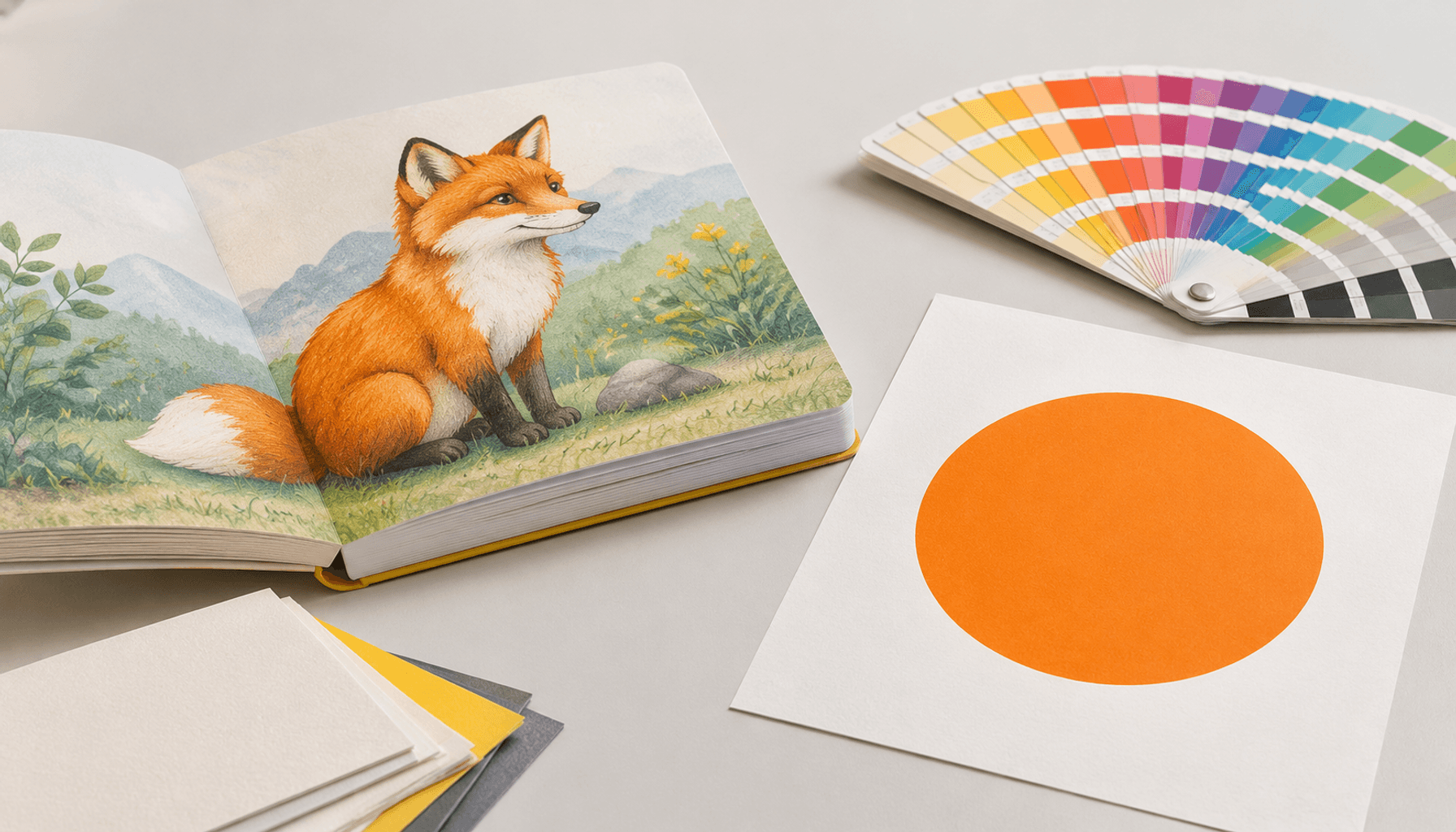
For learning kit printing, review the book, cards, and packaging together. Similar colors can appear different on different stocks and finishes, so approve the combined appearance and fit.
Confirm the proposed construction, assembly route, and minimum order quantity (MOQ) against the project specifications.
FAQ: Selecting board books or flash cards
These answers address common format, artwork, sample, and purchasing questions before specifications are finalized.
FAQ
When should an education company choose board books instead of flash cards?
Choose board books when the activity benefits from a stable reading sequence, connected spreads, and pages that remain together. Choose cards when learners need movable pieces or simultaneous displays. The format alone does not establish better learning outcomes; match it to the intended activity and handling.
Can the same illustrations be used in a board book and a flash card set?
Yes. Reuse approved source illustrations, then prepare layouts for each format. Check proportions, cropping, text size, bleed, safe margins, and picture-to-answer placement. Review color on the proposed materials because different stocks and finishes can change the appearance.
How should buyers compare a book quote with a card-set quote?
Compare equivalent teaching content and the required number of complete resources. Specify pages and covers for books, and all teaching cards, support cards, and packaging for decks. Compare included production scope and landed cost. One book and one deck are equivalent purchasing units only when their defined scope supports that comparison.
What should a sample review check for each format?
For books, check page order, readability, page turning, opening near the spine, edges, and construction. For cards, check stiffness, front/back pairing, orientation, corner cutting, readability, and container fit. For both, verify content against the approved inventory and confirm what the sample represents before approval.
Can a learning kit include both a board book and flash cards?
Yes. A book can provide the reading sequence while cards support separate activities. Specify a bill of materials covering the book, complete deck, instructions, and packaging. Review a packed kit for fit, component identity, completeness, and consistency between the two formats.
Get a Clear Quote for Your Printing Project
Choose the format around the activity: keep a reading sequence bound, give movable tasks separate cards, and define every component before comparing quotes.
Send Lemon Printing your product type, quantity, finished size, page or card count, stock or board construction, binding or finishing, packaging, intended use and age range, US delivery destination, and target date. Our team will review the specifications and normally respond within one business day with practical production options, pricing, and a proposed project timeline.
Final MOQ, production time, pricing, and shipping depend on product specifications, quantity, finishing, and destination.