Table of Contents
- Key Takeaways: What FSC Book Printing Covers
- What Does FSC Book Printing Mean?
- FSC Paper, Chain of Custody, and Buyer Documentation
- What FSC Does Not Tell You About Book Performance
- How to Compare Paper for FSC Book Printing
- Recycled Versus Virgin Fiber Considerations
- Opacity, Caliper, Whiteness, and Surface
- Match Paper to the Book and Its Reader
- Color-Heavy Books, Catalogs, and Lookbooks
- Workbooks, Manuals, and Writable Pages
- Hardcover and Premium Editions
- Comparison Table: Paper Choice, Performance, and Trade-Offs
- What to Request in an FSC Book Printing Quote
- Proofing and Quality Checks for Sustainable Paper
- FAQ About FSC Book Printing
- Request a Paper-Specific Book Printing Quote
FSC book printing means producing a book with paper sourced under an FSC claim that can be supported by supplier documentation—not simply adding a green statement to a quotation. The paper still has to meet the book’s visual, writing, binding, packing, and distribution requirements. This buyer guide shows how to compare FSC-certified paper, recycled content, opacity, caliper, surface, proofing, and quote evidence before approving a bulk order.
Key Takeaways: What FSC Book Printing Covers

Direct answer: FSC book printing combines a documented paper-sourcing claim with a normal book-production specification. The sheet still has to deliver the required opacity, caliper, surface, color response, writing behavior, binding performance, and packing strength.
- Verify the claim. Ask which paper grade is covered, what chain-of-custody evidence supports it, and which book components are included.
- Separate sustainability attributes. FSC status does not automatically mean recycled content, and recycled content does not automatically prove FSC certification.
- Specify performance. Paper weight, caliper, whiteness or shade, opacity, coated or uncoated surface, and intended use belong in the quote.
- Proof the real stock. A digital proof can show layout and approximate color, but it cannot fully predict show-through, tactile feel, or writing performance on an uncoated sheet.
- Control the full order. For bulk book printing, confirm quantity tiers, binding, finishing, packaging, destination, and repeat-order reference details.
That is the practical meaning of responsible paper sourcing. Buyers can start with Lemon Printing’s custom book printing options, then tie the paper choice to the intended reader and production route. Final MOQ, production time, pricing, and shipping depend on product specifications, quantity, finishing, and destination.
What Does FSC Book Printing Mean?

Definition — FSC book printing: FSC book printing means manufacturing a book with paper sold under a Forest Stewardship Council claim that can be supported by relevant supply-chain documentation. The claim belongs to a defined paper product and supply chain; it is not a blanket statement about every material used in the book.
For a purchase order, specify whether the FSC requirement applies to the interior, cover, endpapers, dust jacket, board wrap, or all of them. Lemon Printing offers FSC-certified paper options, but the exact grade and documentation should be confirmed for the stock selected. A book can use FSC paper and still require separate decisions about coating, recycled content, ink, lamination, binding, and export packaging.
FSC Paper, Chain of Custody, and Buyer Documentation

Direct answer: Chain of custody is the documented tracking of certified material through relevant supply-chain stages. Ask for evidence attached to the actual paper grade, not only a general environmental brochure.
A useful documentation request covers:
- the exact paper manufacturer, grade, paper weight, and material claim;
- the supplier’s relevant chain-of-custody status or certificate and license information, where applicable;
- the scope covering the printer and printed product if the finished book will carry an FSC claim;
- recycled content stated separately from FSC status;
- the process for approving any FSC label or claim used in the book artwork.
Keep these records with the purchase order and approved proof. Lemon Printing coordinates paper selection, prepress, offset or digital production, binding, finishing, inspection, and packing in-house. Its book printing capabilities can be reviewed before the specification is finalized.
What FSC Does Not Tell You About Book Performance

FSC certification does not determine the finished book’s physical performance. It does not set the paper’s opacity, caliper, brightness, shade, smoothness, coating, writing behavior, ink response, or binding strength.
- A certified coated sheet may suit images but be a poor choice for handwriting.
- A certified uncoated sheet may feel natural but show more ink through the page than expected.
- A certified paper with higher caliper may change spine width, book thickness, carton count, and freight weight.
- A certified interior does not automatically certify the cover board, endpapers, lamination, foil, adhesive, or packaging.
That is why a paper can be responsibly sourced yet unsuitable for a glossy photo book, a workbook that must accept pen, or a paperback with a tightly constrained spine. Use certification as one procurement gate, not as a substitute for a stock sample and proof.
How to Compare Paper for FSC Book Printing
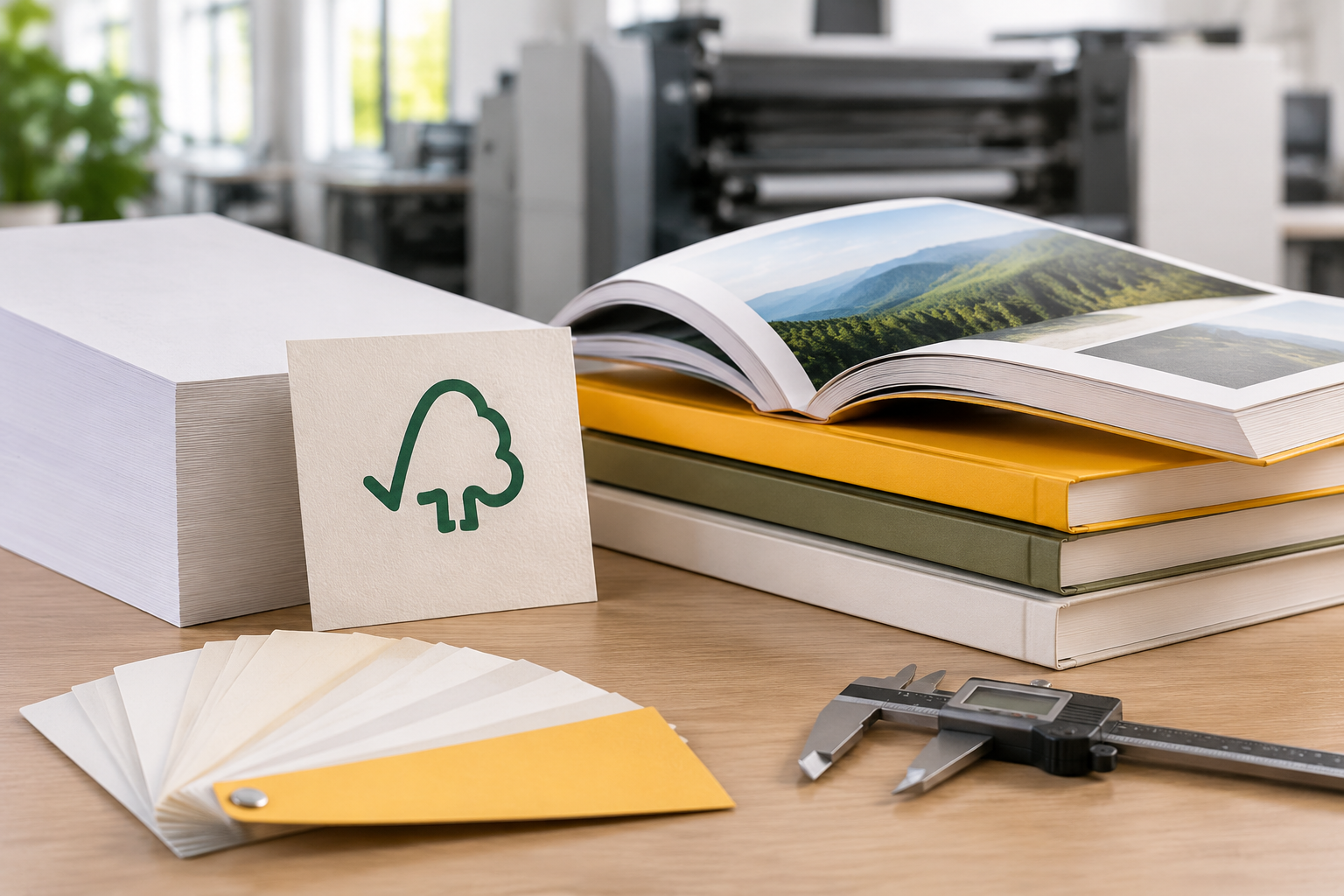
Direct answer: Compare FSC paper on two tracks: claim evidence and physical performance. A quote that lists only FSC and GSM leaves too much unresolved for a reliable bulk order.
Paper weight, caliper, opacity, shade, surface, print process, intended use, and binding must be considered together. The right paper is not the one with the strongest-sounding label; it is the one that meets the sourcing requirement without creating a visual, functional, or logistics problem.
Recycled Versus Virgin Fiber Considerations
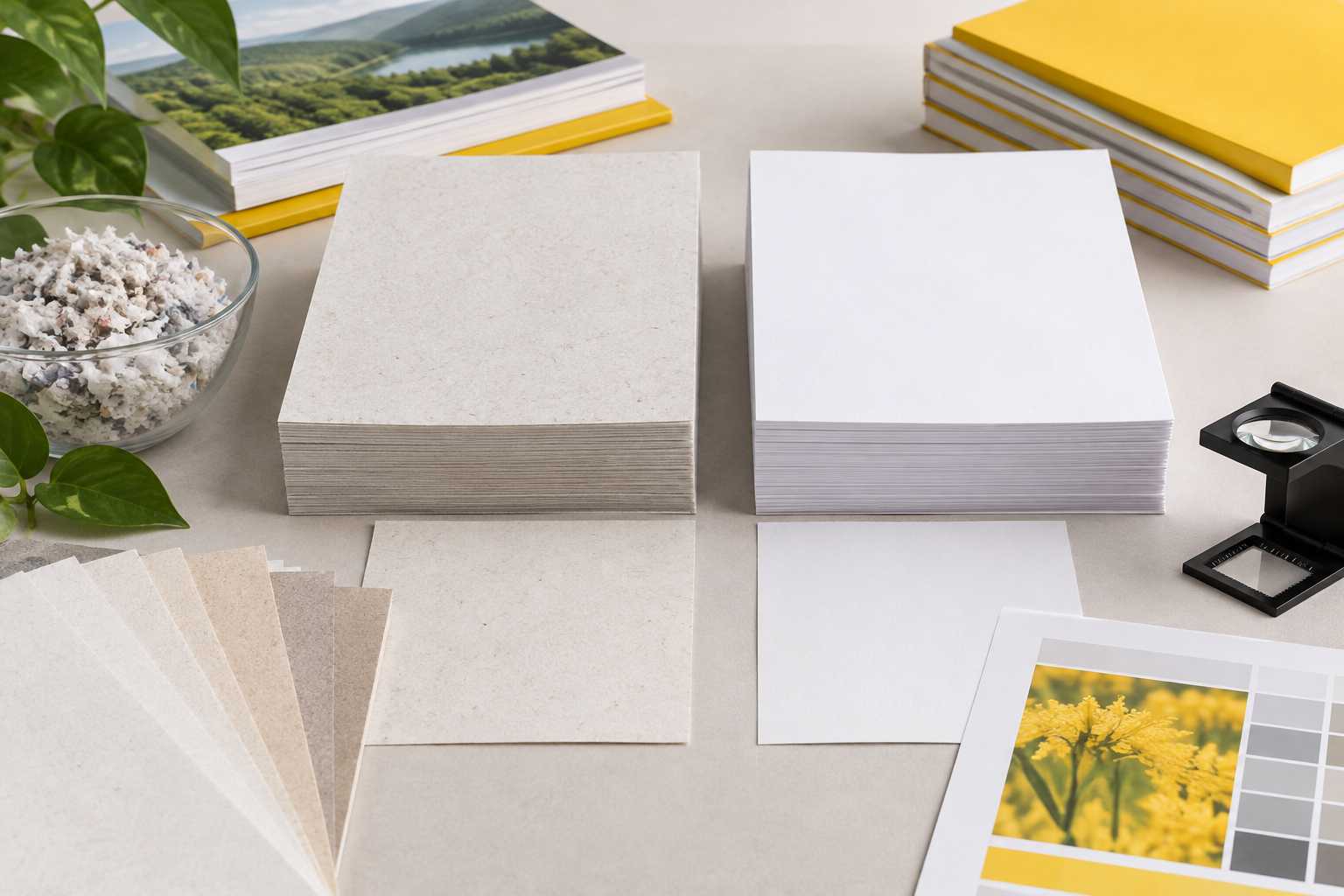
FSC-certified paper and recycled book paper are separate attributes. Recycled content can influence shade, surface feel, fiber formation, opacity, and print appearance. The result depends on the mill’s formulation and the grade; do not infer quality from the word recycled alone.
A virgin-fiber grade may provide a more uniform shade or surface in a particular application, but that is a product characteristic, not a universal sustainability verdict. If your procurement policy requires recycled content, state the required percentage and whether it distinguishes post-consumer from pre-consumer fiber.
- Request a paper sample or blank dummy made from the proposed grade.
- Ask for the paper’s shade, opacity, and recycled-content details in the quote.
- Lock the exact grade or an approved substitute process for repeat orders.
For sustainable book printing, the most useful comparison is a side-by-side sample reviewed under the same lighting and with the same artwork. That exposes differences that a paper name or certification statement will not show.
Opacity, Caliper, Whiteness, and Surface

Opacity is resistance to show-through; caliper is physical thickness. Paper weight usually refers to basis weight such as GSM, but GSM and caliper are not interchangeable. Two sheets with the same weight can build different spine widths and feel different in the hand.
- Opacity: how much text or imagery from the reverse side remains visible. It matters most for dense text, dark images, and two-sided printing.
- Caliper: the sheet’s thickness. It affects book bulk, spine width, folding, binding, carton fill, and shipping weight.
- Whiteness and shade: the paper’s visual base. A warmer or less bright sheet can change how photographs, skin tones, and brand colors are perceived.
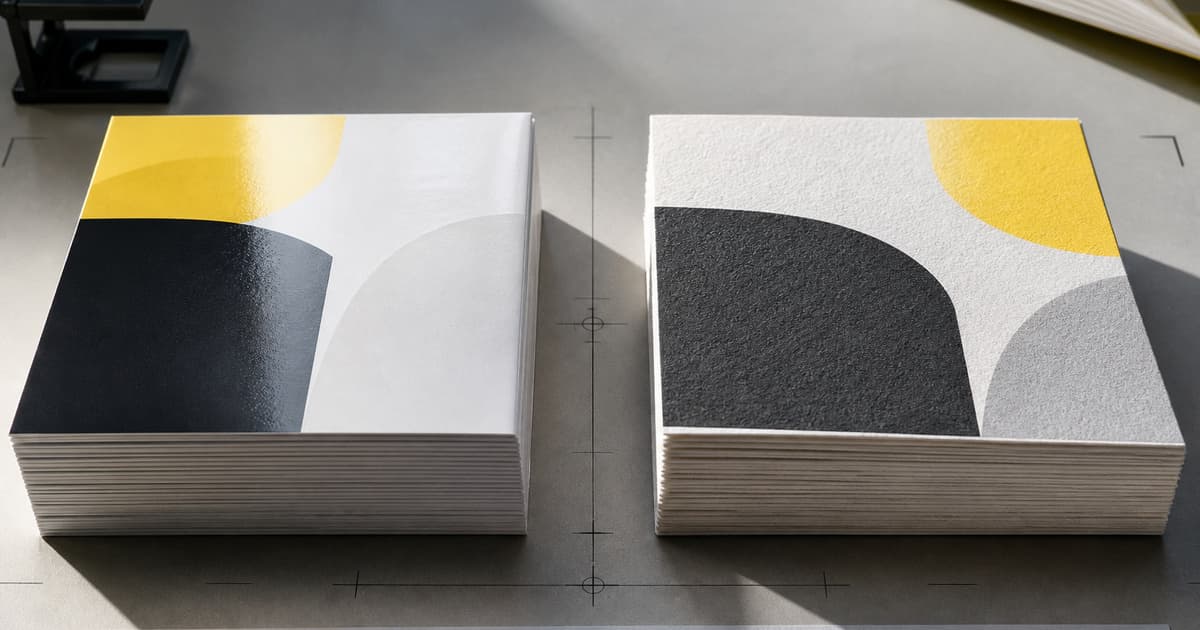
- Surface: coated paper is smoother and usually gives stronger ink holdout, while uncoated paper offers a more tactile and writable surface but can produce softer or more absorbent print results.
Buyers comparing surfaces can use Lemon Printing’s coated versus uncoated paper guide. For a bound book, ask the printer to use confirmed caliper in the spine calculation; the guide to book trim size, page count, and paper weight helps map those variables. Keep the actual paper grade in the purchase order.
Match Paper to the Book and Its Reader

Choose the paper by how the reader will use the book, not by the certification label alone. A picture-heavy publication, a writable manual, and a premium hardcover can all use FSC-certified paper, but they need different surface and construction decisions.
Color-Heavy Books, Catalogs, and Lookbooks

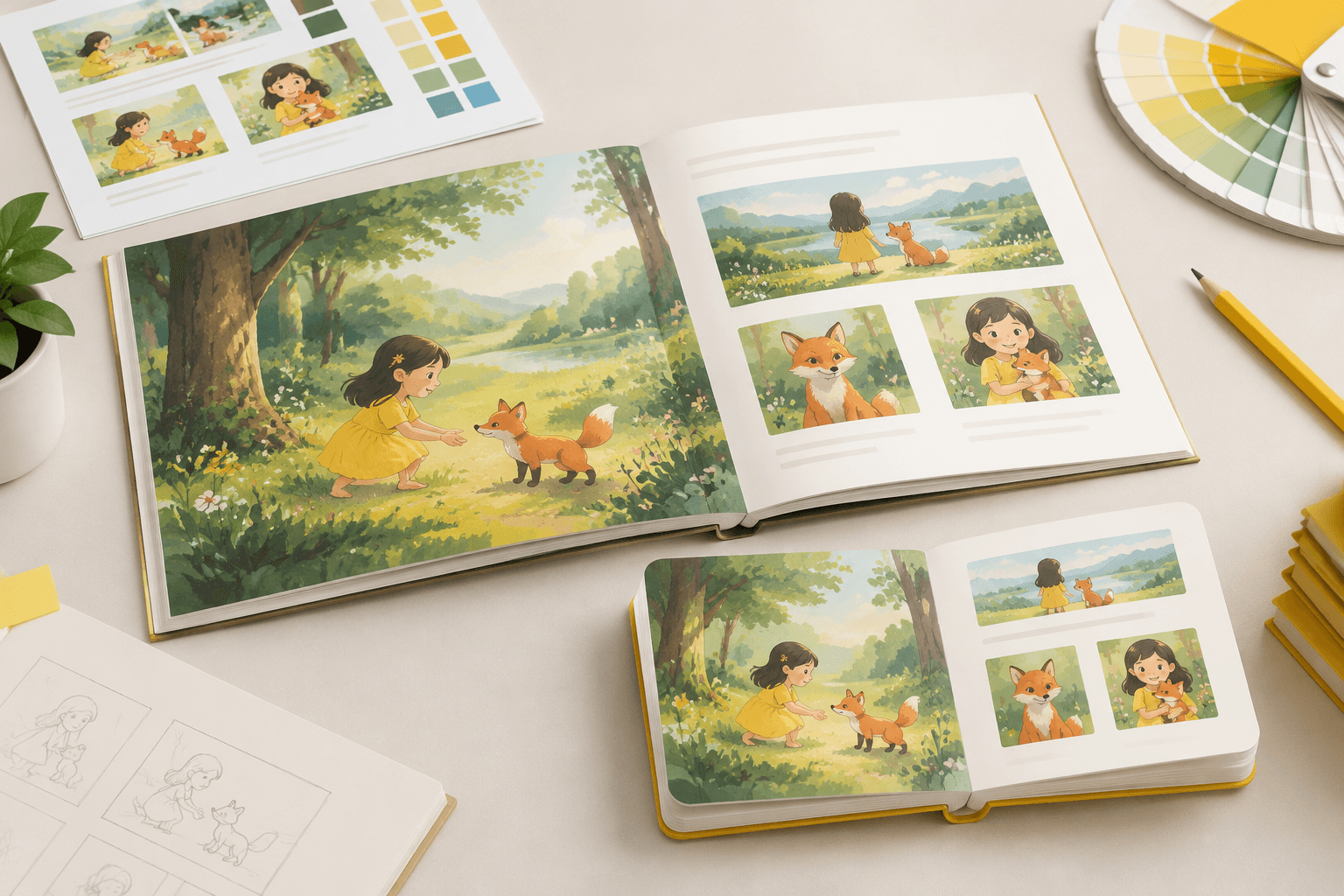
Yes, FSC-certified paper can support color books, catalogs, and lookbooks when the selected grade is suitable for image reproduction. A coated or smooth FSC option may provide cleaner detail and stronger ink holdout, while an uncoated option can create a softer, more tactile appearance.
Paper shade changes perceived color, so the proof should use the exact stock or a clearly identified matched grade. Check large dark areas, neutral grays, skin tones, fine type, and page-to-page consistency. A certification claim does not compensate for a poor paper white, unsuitable surface, or unapproved color expectation.
Workbooks, Manuals, and Writable Pages

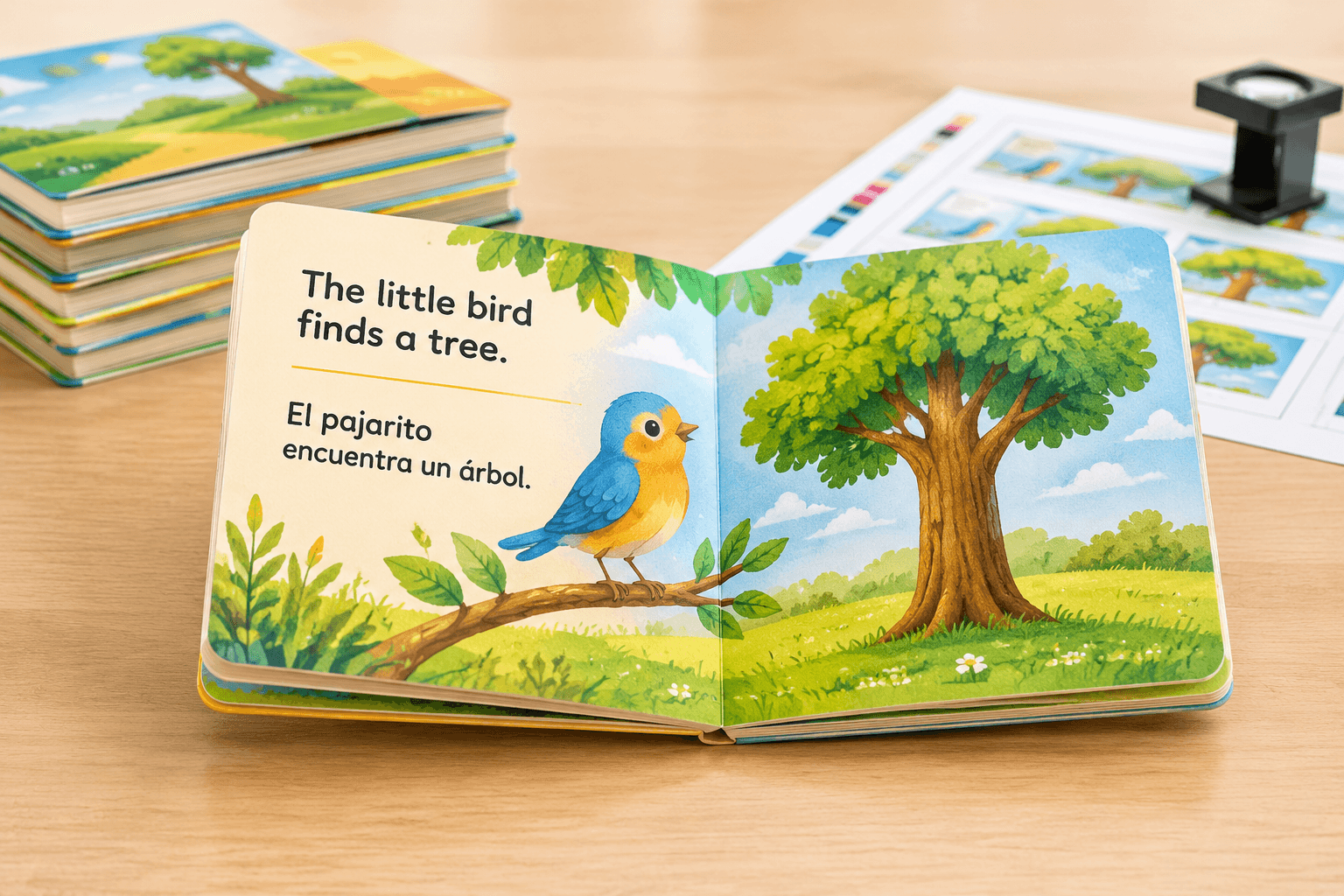
For writable pages, start with an uncoated FSC option and test the actual writing tools. Certification says nothing about whether ballpoint ink, pencil, marker, or highlighter will dry cleanly without bleed-through or show-through.
Specify whether readers will write on one or both sides, then test representative pages with the intended pen or pencil. Check the reverse side after drying, especially where the page contains heavy printed areas. Page opacity, ink coverage, ruling, margins, and binding all affect the experience. A paper that feels excellent in a blank sample may behave differently under dense instructional artwork.
Hardcover and Premium Editions

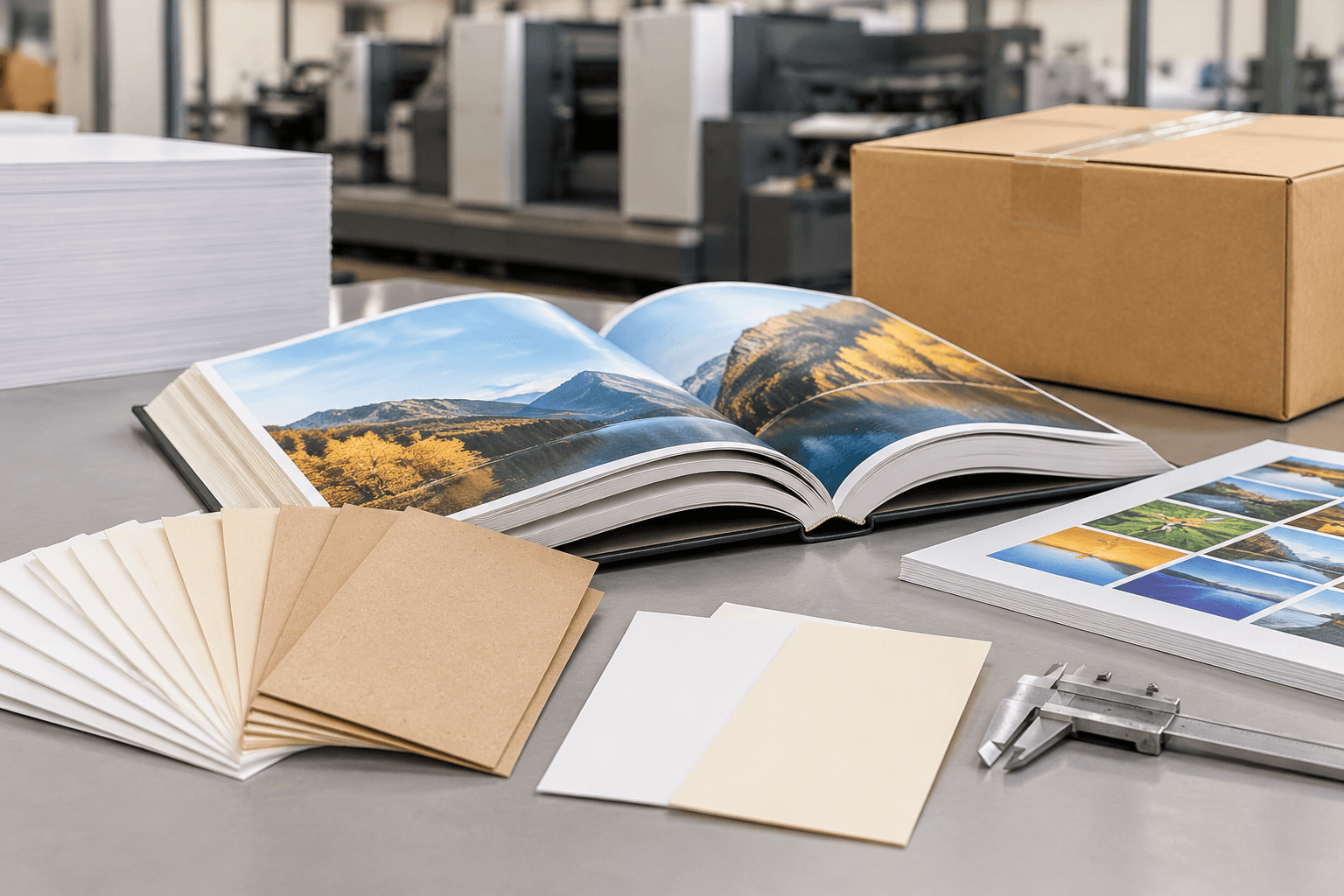
FSC-certified paper can work in hardcover and premium editions. Break the sustainability requirement into separate components: interior pages, cover wrap, board, endpapers, dust jacket, and any printed inserts. Each may use a different material and may require separate documentation.
Durability comes from the whole construction—board, covering material, sewing or adhesive, endpapers, corner treatment, and finishing—not from FSC status alone. Foil, lamination, and other finishes should be specified separately so the buyer understands the appearance, handling, and disposal implications of the finished book. For a premium edition, approve both a paper sample and a bound dummy before releasing the bulk order.
Comparison Table: Paper Choice, Performance, and Trade-Offs

Use these routes as a shortlist, not as a promise that every mill or grade is always available. The final decision should be based on a named paper grade, a sample, and a proof tied to the finished book.
| Paper route | Evidence to request | Performance questions | Suitable applications | Main trade-off |
|---|---|---|---|---|
| FSC-certified coated stock, fiber mix to confirm | Exact grade, FSC claim, supplier documentation, and cover or interior scope | Color holdout, paper shade, opacity, coating feel, and scuff behavior | Color books, catalogs, lookbooks, photo-led editions | Less writable and more dependent on exact proofing and surface choice |
| FSC-certified uncoated virgin-fiber stock | Grade, FSC documentation, shade, weight, caliper, and opacity information | Ink absorption, show-through, writing feel, and page-to-page consistency | Novels, manuals, educational books, general reading | Images may appear softer or less saturated than on coated paper |
| FSC-certified uncoated recycled-content stock | FSC claim, recycled percentage, fiber description, and approved sample | Shade variation, surface formation, opacity, writing, and print response | Brand-led books, NGO publications, manuals, education materials | Appearance and availability must be confirmed for the exact grade |
| FSC-certified higher-caliper or premium stock | Paper grade, caliper, claim scope, and component-by-component documentation | Spine width, book bulk, opacity, binding fit, carton fill, and freight weight | Hardcover, presentation books, premium editions | More material can affect binding, packing, and landed cost |
The table separates sourcing evidence from physical behavior. That separation prevents a common purchasing mistake: treating FSC status as a substitute for a paper specification.
What to Request in an FSC Book Printing Quote

Direct answer: Request a quote that names the paper claim, the physical paper specification, the book construction, the proof method, and the logistics scope. A generic statement such as FSC paper available is not enough for procurement approval.
- Material claim and evidence: State the FSC requirement, exact paper grade, covered components, relevant documentation, recycled content, and any approved claim language.
- Book architecture: Provide finished size, page count, color or black-and-white pages, cover construction, binding, quantity, and whether the order is a repeat.
- Paper performance: Specify interior and cover paper separately, including paper weight, caliper when known, coated or uncoated surface, shade, opacity needs, and writable-page requirements.
- Printing and finishing: Identify offset or digital production, CMYK or spot colors, lamination, foil, spot UV, embossing, dust jackets, endpapers, and other finishes.
- Proofing: Ask whether the proof uses the exact stock, a matched stock, or a digital simulation. Record what the proof is intended to approve.
- Quality and records: Confirm prepress review, on-press monitoring, post-press inspection, packing verification, paper documentation, and the process for approving substitutions.
- Logistics: Include quantity tiers, packing format, carton or pallet requirements, delivery destination, shipping scope, and target date.
For bulk book printing, compare suppliers against the same specification rather than comparing a low headline price with a more complete production scope. Final MOQ, production time, pricing, and shipping depend on product specifications, quantity, finishing, and destination.
Proofing and Quality Checks for Sustainable Paper

The best way to verify FSC paper for a book is to check the documentation and inspect the proposed stock before bulk production. A digital proof can confirm layout and approximate color, but a physical paper sample or bound dummy is better for opacity, caliper, surface, writing, and handling decisions.
- Confirm the paper identity: Match the sample, paper name, weight, grade, and claim documentation to the quotation.
- Review visual output: Check paper shade, image contrast, dark solids, fine type, neutral colors, and page-to-page consistency.
- Test reader interaction: For workbooks and manuals, write on representative pages and inspect the reverse side after drying.
- Check construction: Confirm spine width, page turning, cover fit, hinge behavior, trimming, binding, and the effect of caliper on the finished book.
- Verify packing: Review carton protection, moisture barriers, corner protection, palletization where required, carton markings, and the final packing count.
Lemon Printing handles prepress, printing, binding, finishing, quality inspection, packing, and export preparation in-house. Its stated four-stage quality control process covers prepress, on-press monitoring, post-press inspection, and packing verification. Buyers can review the four-stage quality control approach and keep the approved paper and proof records for repeat orders.
FAQ About FSC Book Printing

These questions expose the common gap between a paper claim and a finished-book specification. The answers are written for procurement teams comparing suppliers and preparing a defensible purchase order.
Request a Paper-Specific Book Printing Quote

Practical conclusion: Treat FSC as a documented material requirement, then evaluate paper as a manufacturing component. Name the exact paper grade, claim evidence, recycled content, paper weight, caliper, opacity, surface, intended use, proof method, binding, finishing, packing, and destination.
Lemon Printing can quote FSC-certified paper options for hardcover, paperback, manual, catalog, lookbook, and other book formats through its in-house prepress, printing, binding, finishing, inspection, and export preparation workflow. The right choice is the one that meets your procurement policy without creating a paper or production problem for the reader.
FAQ
What does FSC book printing mean?
FSC book printing means producing a book with paper sold under an FSC claim that is supported by relevant supply-chain documentation. The claim should be tied to a specific paper grade and defined book components. It does not automatically mean that every material, cover component, finish, adhesive, or package is FSC-certified.
Is FSC-certified paper suitable for color books and hardcover books?
Yes. FSC-certified paper can be suitable for color books, catalogs, lookbooks, and hardcover editions when the selected grade matches the visual and construction requirements. Confirm the surface, shade, opacity, caliper, and proof method. For hardcover projects, specify the interior, cover wrap, board, endpapers, dust jacket, and inserts separately.
What should buyers verify when requesting FSC book printing?
Verify the exact paper grade, FSC claim, relevant chain-of-custody documentation, covered book components, recycled content, paper weight, caliper, opacity, surface, proof type, binding, finishing, packing, quantity, destination, and target date. Ask how paper substitutions will be approved and keep the accepted specification with the purchase order.
How do recycled and virgin paper affect opacity and print appearance?
They can produce different shade, surface, opacity, and ink response, but the result depends on the specific mill formulation and grade. Recycled content is not a reliable prediction of quality by itself, and virgin fiber is not a universal performance guarantee. Compare samples or a blank dummy made from the proposed papers.
Does FSC certification determine a book's durability or paper quality?
No. FSC certification addresses responsible material sourcing and does not set paper opacity, caliper, coating, writing behavior, color response, binding strength, or cover durability. Those characteristics must be specified and checked through samples, proofs, and construction reviews.
Get a Clear Quote for Your Printing Project
Send Lemon Printing your product type, quantity, size, materials, binding or finishing requirements, delivery destination, and target date. Our team will review the specifications and normally respond within one business day with practical production options, pricing, and a project timeline.