Book Printing · Formats & construction
Touch and Feel Book Printing
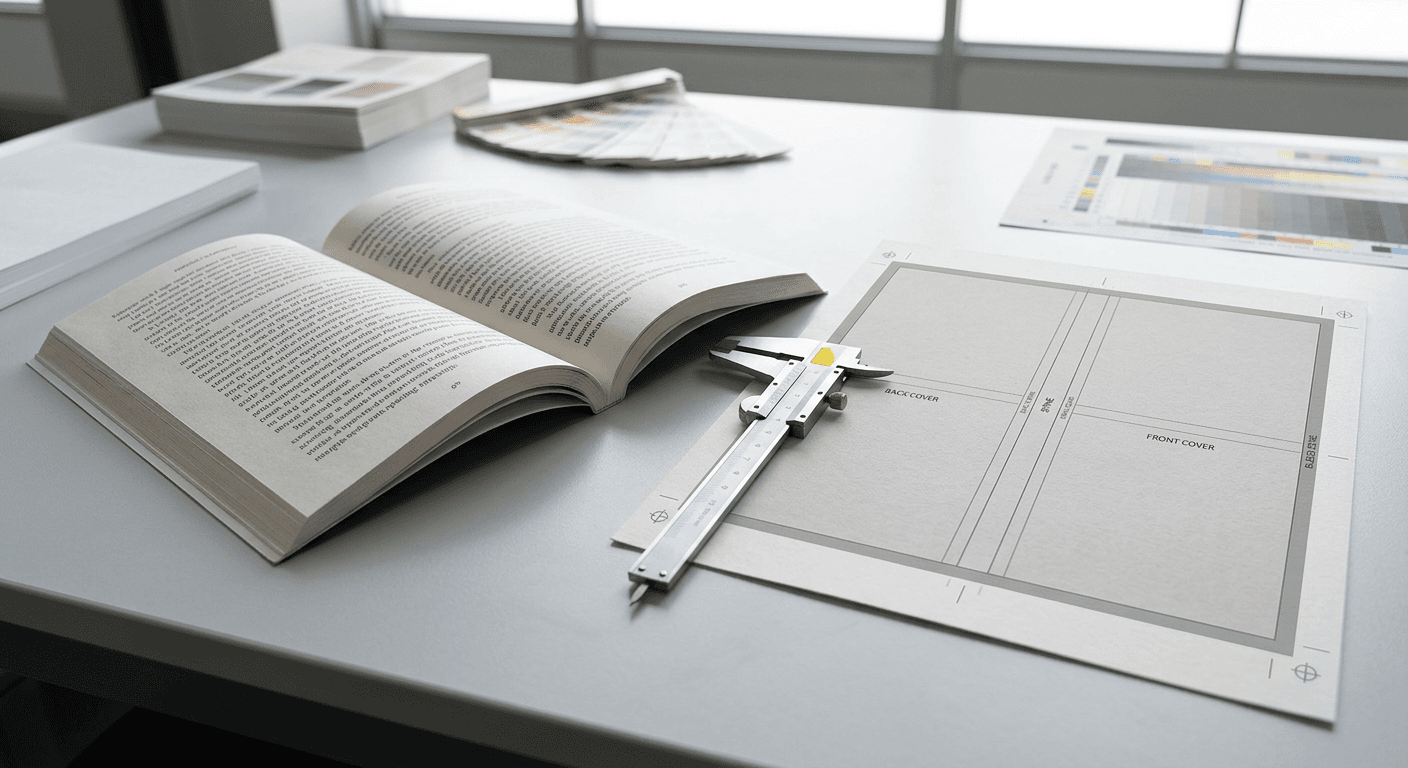
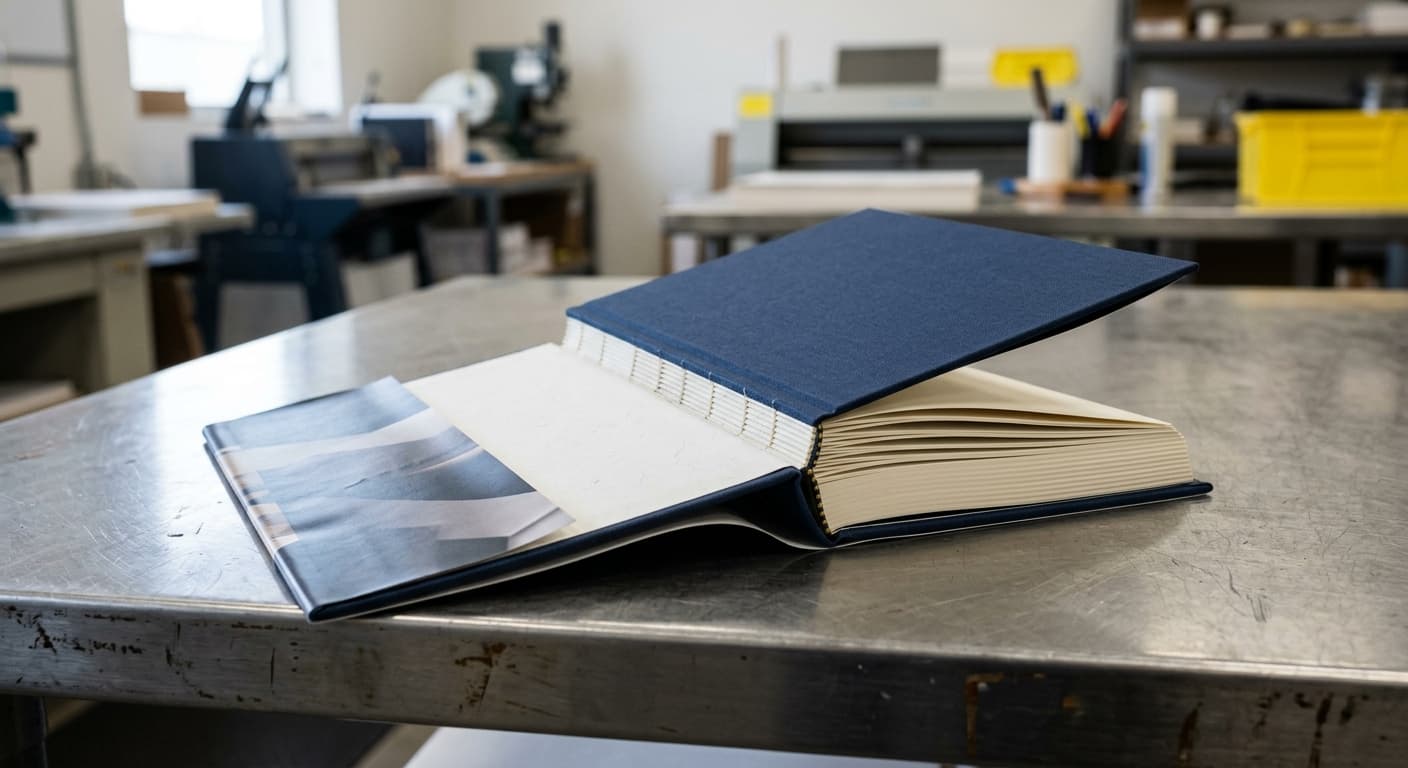
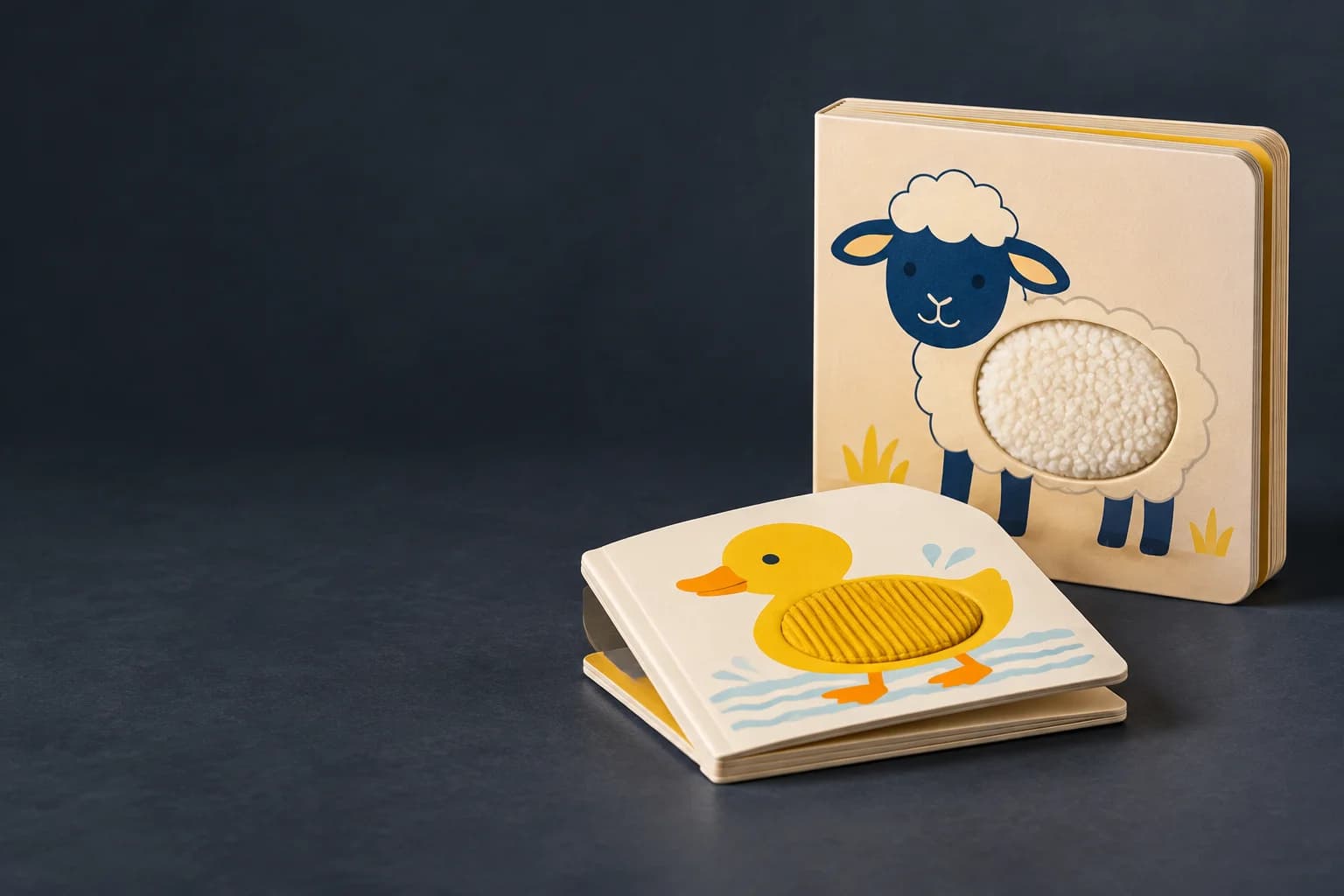
Pair printed pictures with textures readers can explore. Plan a custom board book around fabric patches, carefully placed windows and thick, easy-to-turn pages.
- Printed board pages with integrated texture zones
- Patch-by-patch material and window planning
- Complete-sample review of feel, alignment and closure
Start with the intended use, finished size and quantity. The material and construction can follow.
The product in use
A printed story with textures built into the page
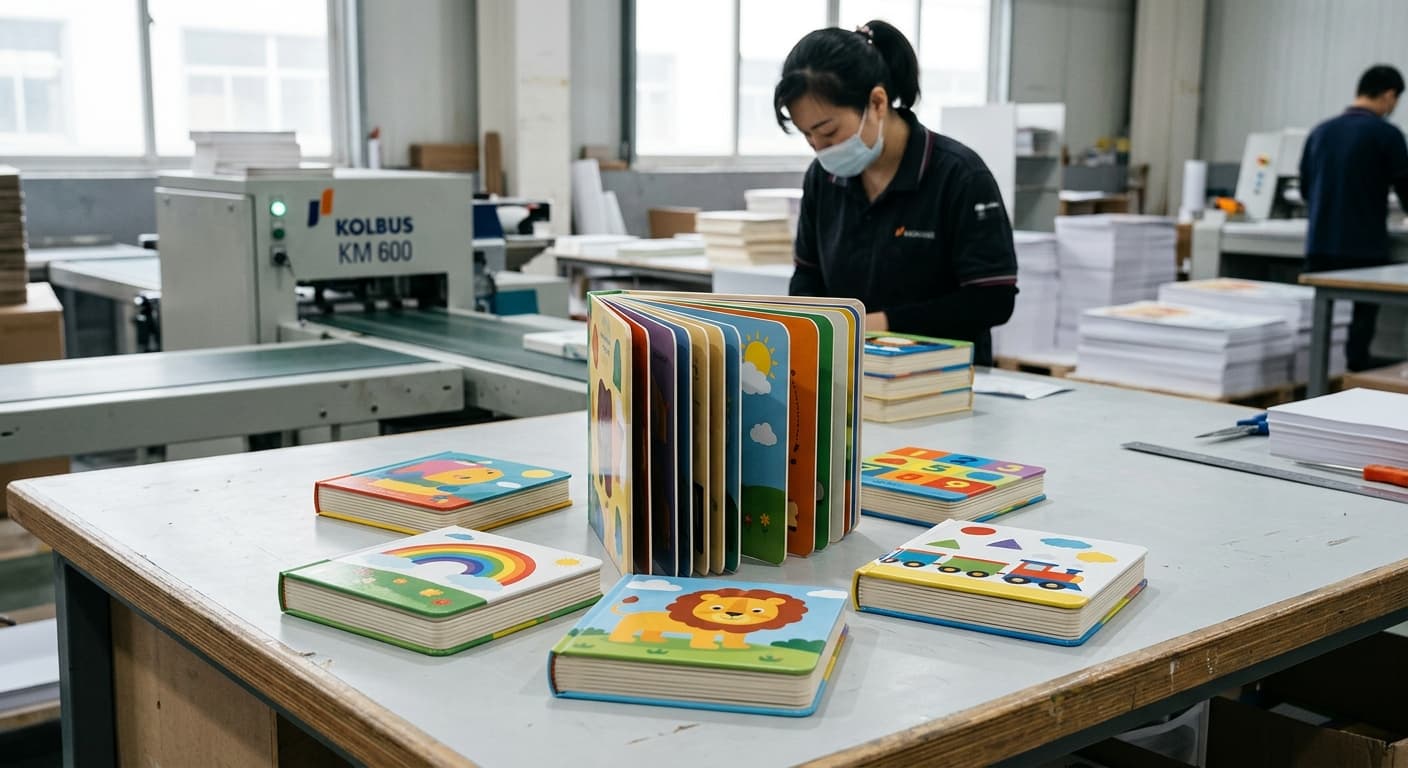
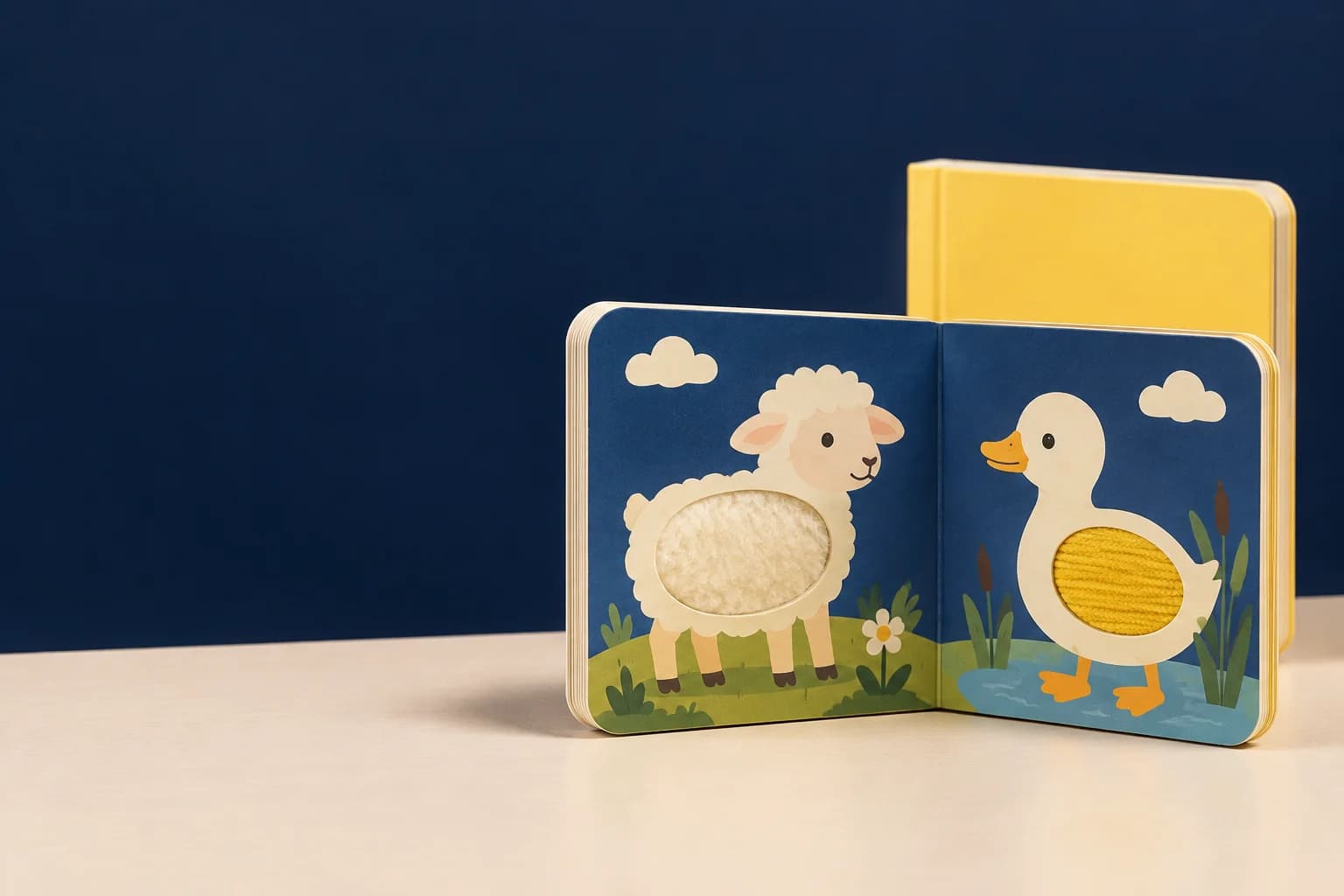
A touch-and-feel book adds physical texture to a printed illustration: a soft animal coat, a ribbed vehicle panel or a contrasting fabric shape. In a board-book construction, a window in the printed face reveals a patch retained within the assembled leaf. The picture and material work together, so the tactile area becomes part of the scene. This format suits shared reading, first-word themes and short picture-led sequences; it is distinct from an all-fabric book or a book with only an embossed cover.
What makes up the finished product?
- Printed face and window
- The illustration frames the opening. Window registration determines whether the texture sits naturally inside the pictured object.
- Tactile insert
- The swatch defines feel, surface height and direction. The visible area is smaller than the material retained inside the leaf.
- Mounted board leaf
- The assembled page supports the insert and conceals retained edges. Its final thickness affects page turning and the spine.
Specifications and materials
Touch and Feel Book Printing specifications
Use these reference options to build the project brief. Dimensions are design examples; material availability, tooling and production timing depend on the confirmed specification.
| Parameter | Reference or option | Why it matters |
|---|---|---|
| Finished size | Specify width × height in mm; square or rectangular layout | Choose the trim around illustration scale, hand access and the assembled book weight. |
| Pagination | Short board-book sequences; published examples include 12 printed pages | Count printed faces, physical leaves and cover separately on the quote so blank backs and mounted layers are unambiguous. |
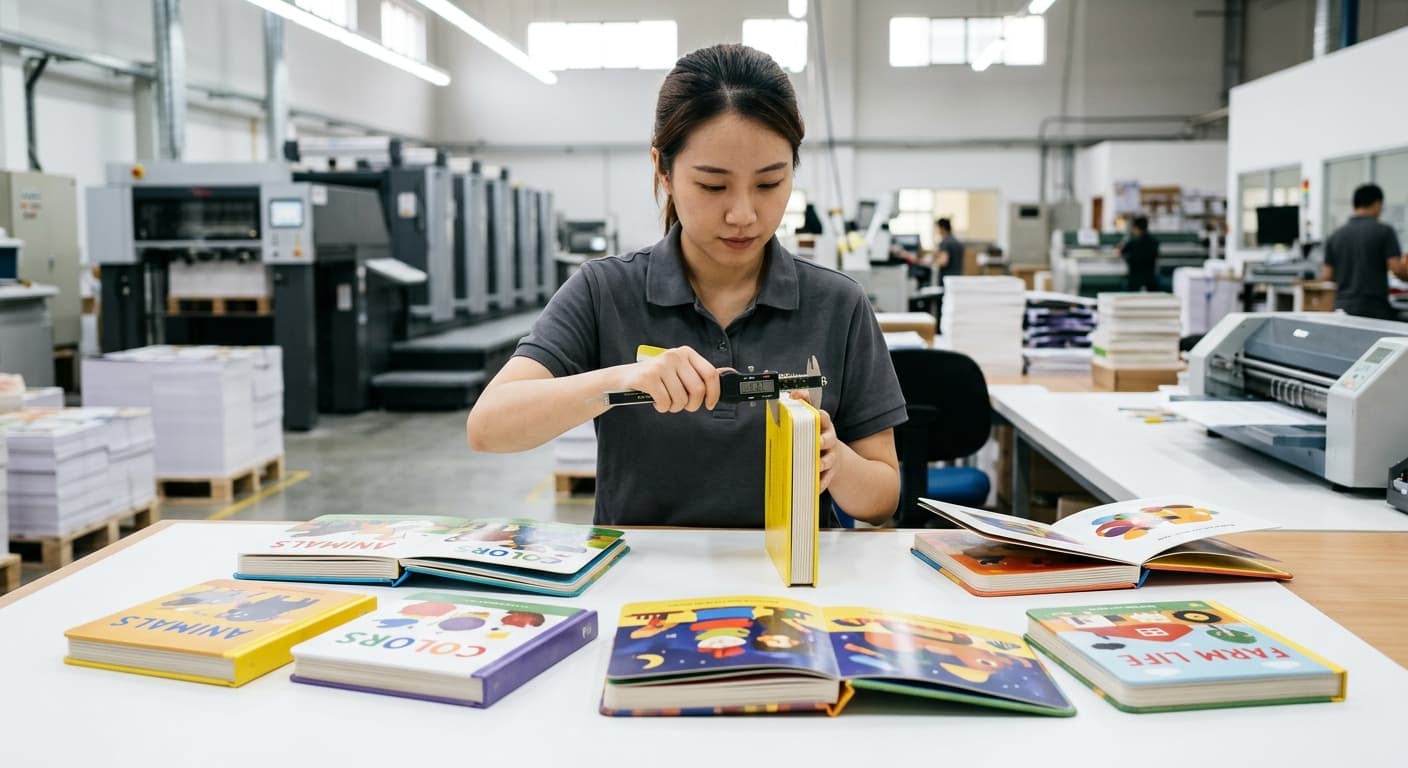
| Page construction | Printed facing sheets mounted into rigid board leaves | Specify the assembled leaf thickness in mm after sampling. Paper GSM alone does not define the final caliper. |
| Tactile material | Fleece, felt or ribbed textile candidates selected from physical swatches | Compare feel, pile height, edge fraying, color transfer and compatibility with the proposed assembly. |
| Patch schedule | Separate material ID, window shape, location and quantity for every spread | Patch count and placement affect assembly work, stack thickness and material usage. |
| Printed surface | Full-color illustrations with an agreed protective finish on the paper areas | Paper protection does not make an exposed textile patch washable or make the whole book waterproof. |
| Reader and market | Intended age group, sales destination and agreed assessment scope | Material suitability and any required testing are project-specific; no blanket certification is implied. |
Compare the material and its effect.
Choose the surface and construction for the way the finished product will be used. The options below are selection references, not a guaranteed inventory list.
Soft fleece candidate
Short-pile textile for a soft animal area
The pile contrasts with smooth printed paper and adds local height.
Sample check: Inspect shedding, pile direction, edge retention and compression on the assembled sample.
Felt candidate
Dense nonwoven texture for a flatter tactile shape
A lower-profile surface changes the feel while limiting local bulk.
Sample check: Review abrasion, edge fraying, color transfer and bonding to the selected board.
Ribbed textile candidate
Directional ridges for a contrasting panel
Readers can feel the grain direction as well as the difference from the paper.
Sample check: Align the ribs with the illustration and review stretch or distortion around the window.
Selected sample focus — Soft fleece candidate: Inspect shedding, pile direction, edge retention and compression on the assembled sample.
Format & usable space
Plan Windows, Texture and Page Bulk
Plan the page and patch together
Published editions include compact square books around 130 × 130 mm and larger 260 × 260 mm playbooks. These are market examples, not Lemon manufacturing limits. A larger page allows more picture space but also changes handling and the finished weight.
This is a design reference, not a required size or a manufacturing limit.
One patch map for the whole book
Record spread, material ID, opening shape, retained outline and pile direction.
Review adjacent spreads and the closed stack. Move or reduce a bulky feature if several patches press on the same area.
Single focal patch
One clear texture in a spread
Keeps the tactile feature connected to the picture and leaves space for the story.
Multiple tactile areas
Two or more planned texture zones
Adds comparison opportunities but increases assembly complexity and stack-height planning.
View the original format reference
Details that change the finished product
From a texture swatch to an assembled leaf
Match the texture to the picture
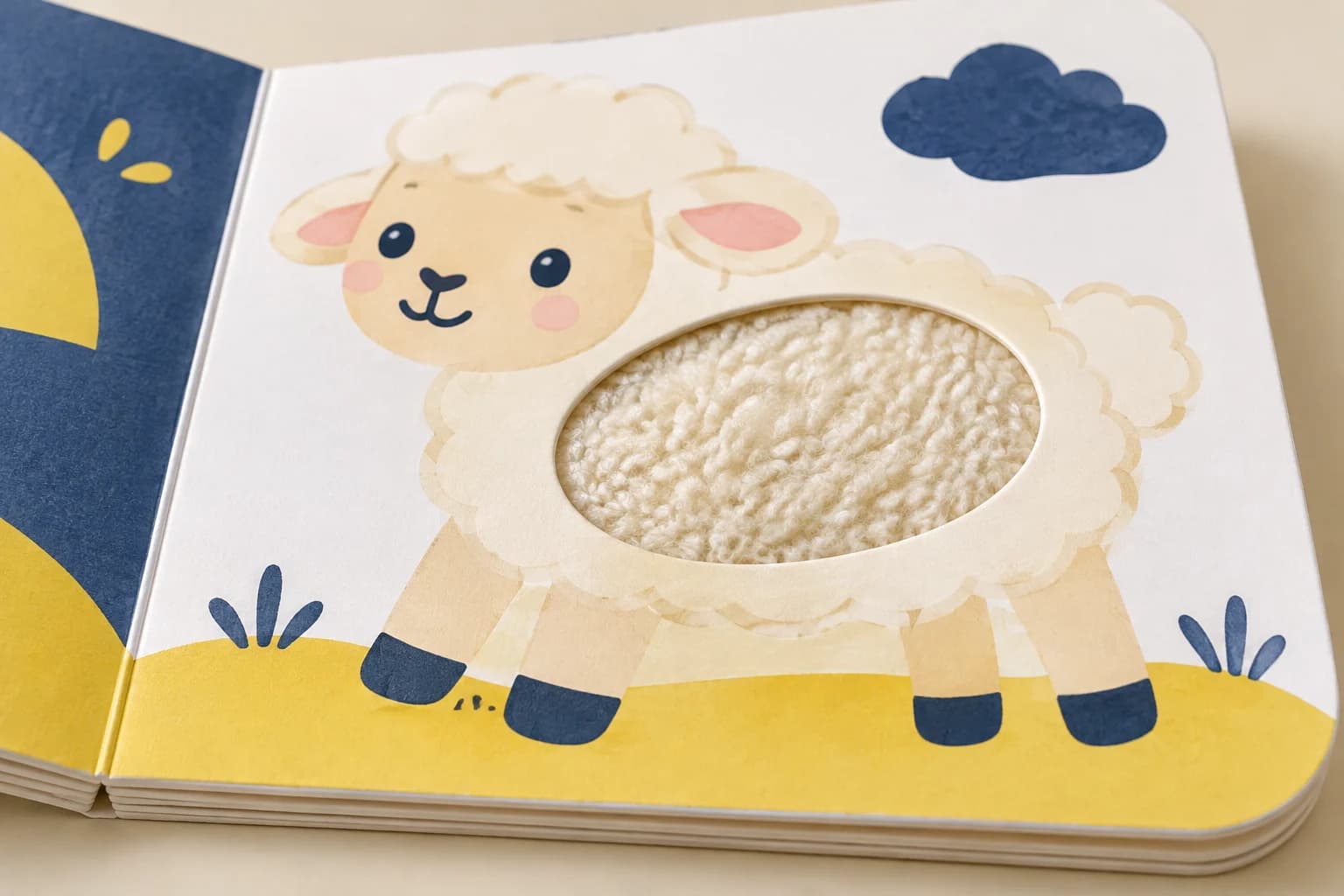
A fleece area can describe an animal coat; a ribbed textile can contrast with a smooth printed panel. Use a physical swatch to approve the tactile effect. Color on a textile will not necessarily match the adjacent printed ink.
Retain the patch behind the window
The exposed opening and the larger retained material are different shapes on the assembly plan. The hidden overlap, adhesive and surrounding board must be designed together. Avoid narrow printed bridges, exposed cut fabric edges and windows crowded against the fold.
Balance thickness across the book
Material thickness and patch positions accumulate through the leaf stack. A complete dummy reveals closure, spine allowance and pressure marks that a flat print proof cannot show. Round the page corners to the approved drawing without cutting into a patch.
Tactile Editions for Different Stories
Animal and nature stories
Use texture where it explains a coat, leaf or other pictured surface, leaving the rest of the scene readable.
First words and contrasts
Pair a short label with clearly contrasting textures. One deliberate feature can be easier to explore than a crowded page.
Coordinated publishing series
Keep trim and page rhythm consistent while changing patch materials by title. Track shared swatches and edition-specific patch maps.
Solve the risk before production
Keep Patches Aligned and Securely Retained
The critical finished-product check
Repeated thick patches in the same position can create a bulge when the book closes. Map every patch across the complete book, offset their positions where the illustration allows, and check a full assembled dummy rather than approving one loose page.
Patch edge lifts or frays
Why it happens: Exposed textile edges, unsuitable overlap or an incompatible attachment can weaken retention.
Fix and check: Conceal retained edges within the agreed leaf construction and evaluate the actual materials and attachment on a complete sample.
Window misses the illustration
Why it happens: The printed picture and cutting layer can drift when they are supplied as unrelated layouts.
Fix and check: Use a shared registration reference and stable patch IDs. Check every opening against the approved artwork on the printed sample.
Texture changes during packing
Why it happens: Rubbing, moisture exposure or stack pressure can alter pile and mark adjacent printed pages.
Fix and check: Assess a packed sample after representative handling and revise orientation, protection or material choice where needed.
When to choose another format
Compare Printed, Tactile and Sound Formats
| Alternative | Use and trade-off |
|---|---|
| Board Book Printing | Choose a standard board book when the story needs sturdy printed pages without separate tactile inserts or patch assembly. |
| Sound Book Printing | Choose a sound book when recorded audio is central to the interaction. Electronics add a different component and assessment scope. |
Sample and approval
Review the Complete Tactile Book
Free samples are available, with preparation completed within 15 days. Confirm the sample scope; courier arrangements and transit time are separate.
Structural sample
Checks dimensions, fit and assembly using unprinted or representative materials. It does not establish final color.
Printed proof
Checks text, image reproduction and artwork on the agreed proof medium. It may not reproduce final assembly or every finish.
Complete finished sample
Use the proposed board, fabric and attachment method. Check window alignment, edge retention, shedding, transfer, page turning and closure; agree separate test criteria for the intended reader and market.
From brief to delivery
Prepare Your Touch and Feel Book Order
Approve the design in three stages
Map the edition
Agree size, pagination, illustration sequence, patch locations and material references before final artwork.
Approve the complete sample
Review print and window alignment alongside actual feel, retained edges and the closed-book stack. Resolve material substitutions before approval.
Confirm production and packing
Keep the approved material IDs, construction drawing, assessment criteria and packaging reference with the order.
Protect the tactile surfaces in transit
Keep exposed textures away from abrasive surfaces and excessive compression. Approve pack orientation and any interleaving against rubbing, flattened pile and pressure marks on the actual packed sample.
- Supply the print PDF in reading order and a separate vector window layer. Name each window and patch with the same stable material ID used in the bill of materials.
- Show the exposed window and retained patch outline separately. Set bleed, trim and clearances from the approved die-line; do not invent a universal patch-overlap allowance.
- Keep small labels outside the tactile opening and fold area. Mark texture direction, front/back orientation and any artwork that must align with a window.
Project questions
Planning Touch and Feel Book Printing
Is this a fabric book or a board book?
This page covers printed board books with tactile material inserts. Cloth books have soft sewn pages and a different construction. Identify the required format at the start of the project.
Can every spread use a different texture?
Different textures can be planned in the patch schedule. Each additional material changes sourcing, cutting, assembly and the closed-book stack. Evaluate the complete sequence before fixing the material list.
Can a printed proof approve the touch-and-feel effect?
A printed proof checks pictures, text and window registration. Texture, retained edges, opening behavior and closure need a physical assembled sample using the proposed materials.
Does a smooth coating create a touch-and-feel book?
A coating or embossed surface can provide a tactile effect, but it is different from a separate fabric insert. Specify whether the feature is a surface treatment, a mounted patch or an opening revealing material below.
Can the finished book be washed?
Do not assume that it can. Paper, exposed fabric and adhesive respond differently to moisture. Define the intended cleaning method and evaluate the complete sample before making a cleaning claim.
What is needed to assess materials and testing?
Provide the intended age group, sales market, material list and complete construction. Agree the relevant assessment and testing scope before production; an illustration or material description does not establish finished-product compliance.
Specify the finished product.
Send trim size, total printed pages with the cover counted separately, quantity per version, a spread-by-spread patch map, preferred texture references, intended age group, destination market and delivery location. Include artwork status and the required arrival date.