Paper Bag Printing · Formats & construction
Custom SOS Bags
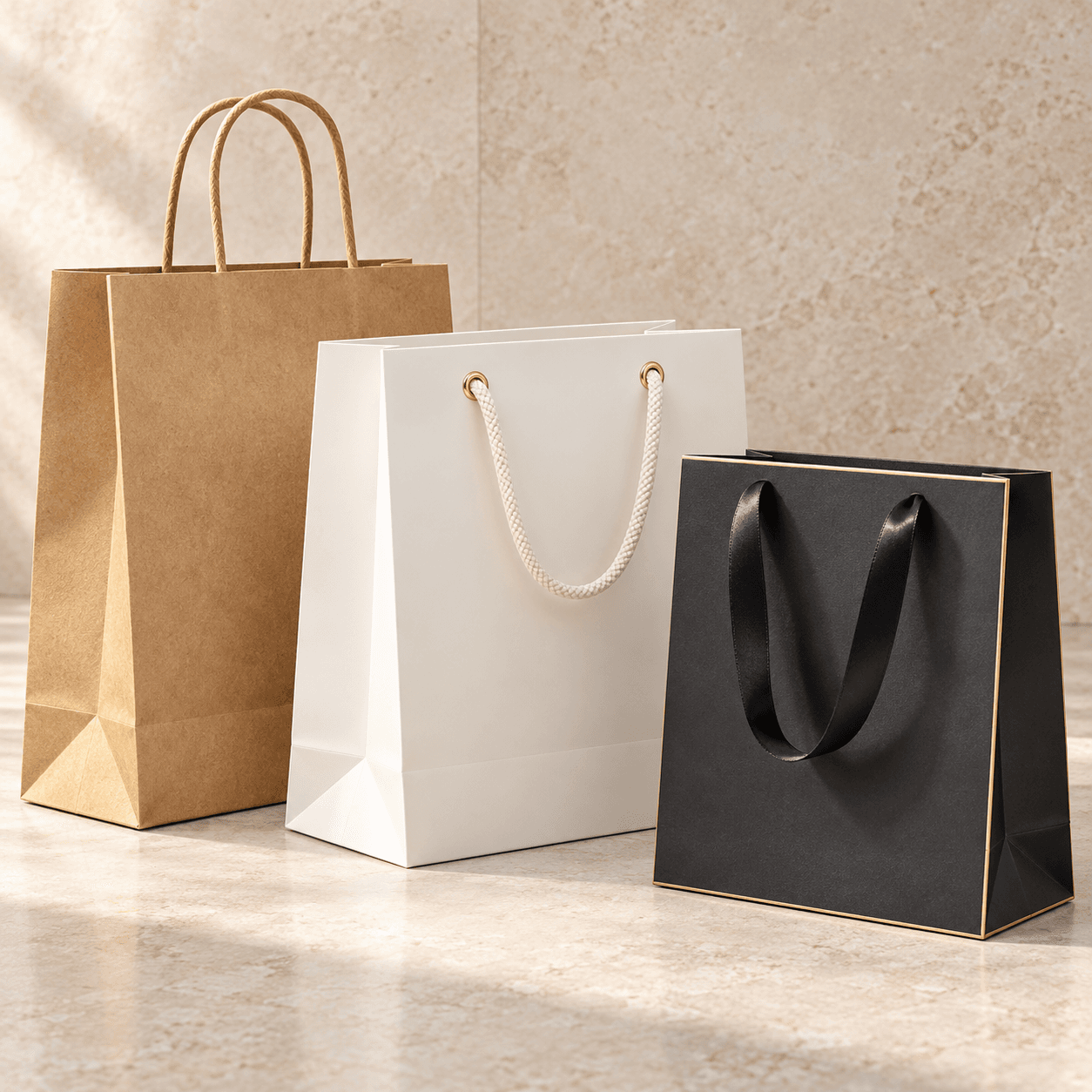
Pack counter orders into a standing, flat-bottom paper bag. Choose brown or white kraft and custom printing around the packed contents, base footprint and way the bag will be carried.
- Brown or white kraft; handleless block-bottom construction
Start with the intended use, finished size and quantity. The material and construction can follow.
The product in use
A standing base for faster counter packing
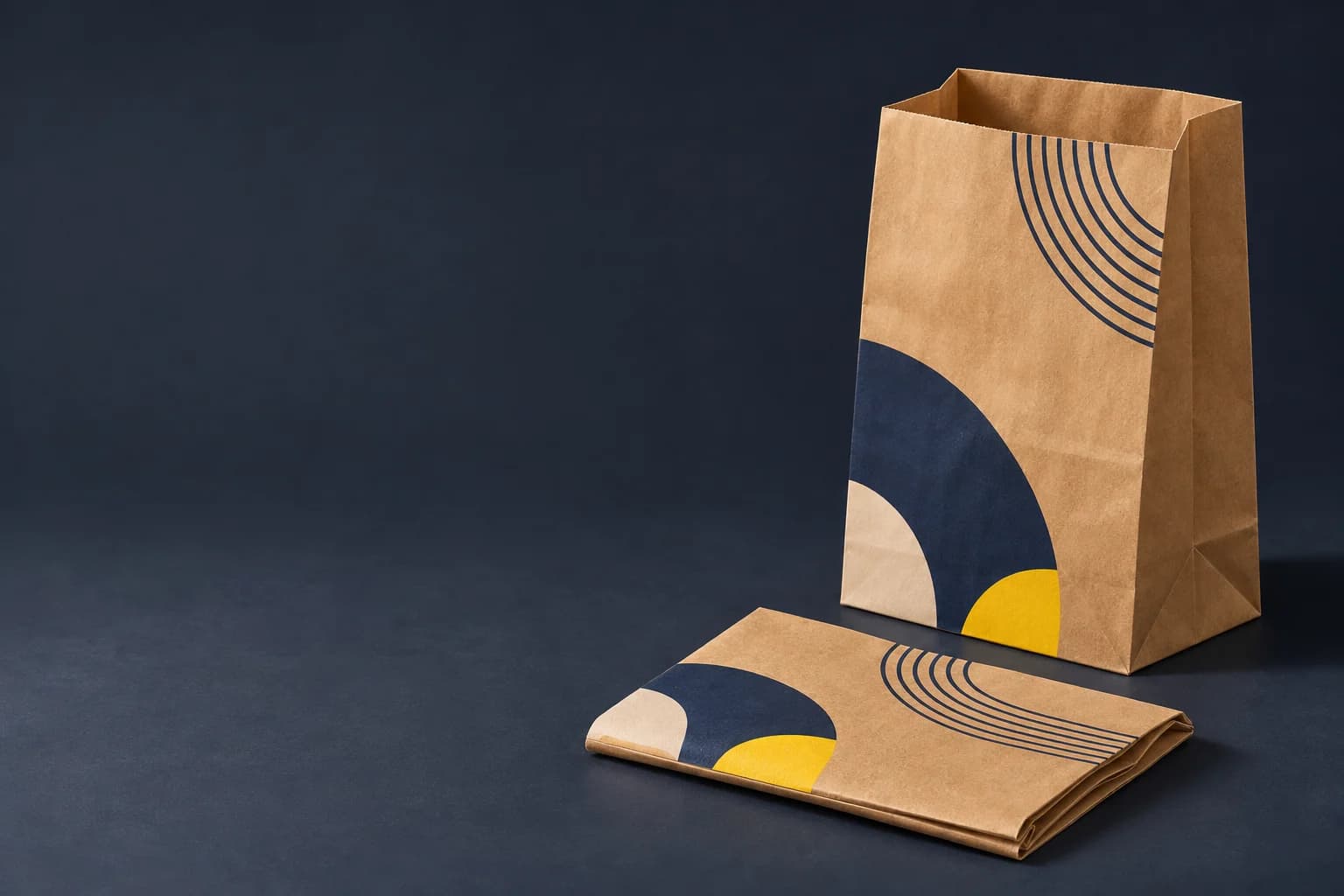
SOS bags open from a flat-stored form into a rectangular base, with side gussets providing depth for boxes and loose goods. The open bag can stand on a counter while staff pack it. This handleless format suits bakery counters, grocery portions and takeaway orders that can be carried by the folded top. It is different from a flat merchandise bag, which offers less base area, and from a handled shopping bag designed for carrying by its handles.
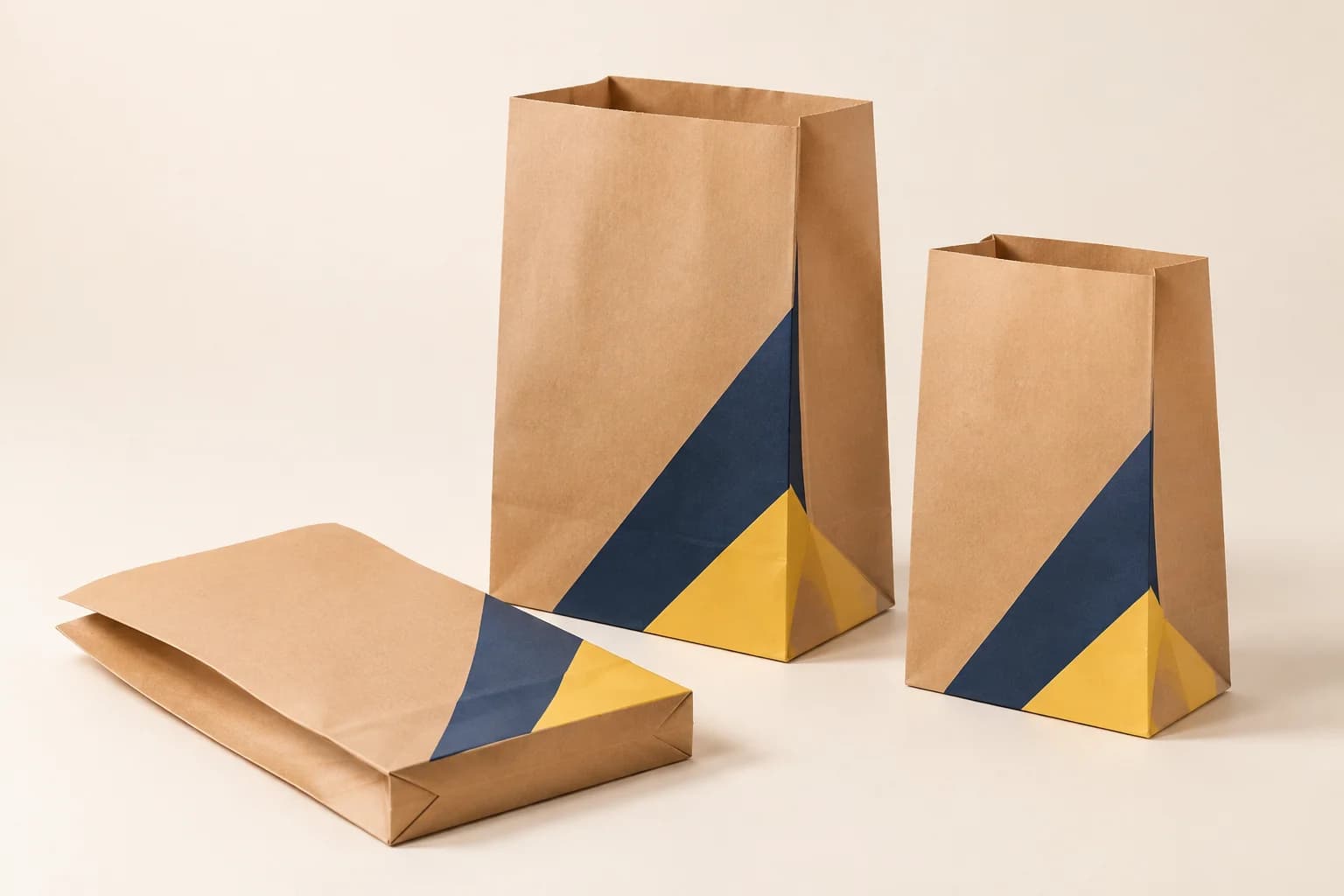
What makes up the finished product?
- Front width
- Sets the main display panel and one side of the base footprint.
- Side gusset
- Expands to create the other side of the base; affects container clearance.
- Bottom folds
- Form the glued standing base and transfer load through overlapping paper.
Specifications and materials
Custom SOS Bags specifications
Use these reference options to build the project brief. Dimensions are design examples; material availability, tooling and production timing depend on the confirmed specification.
| Parameter | Reference or option | Why it matters |
|---|---|---|
| Bag dimensions | Width × gusset depth × height in mm | State the dimension order on the drawing. Fit the filled container rather than relying on a trade size number. |
| Reference sizes | 108 × 65 × 210 mm; 150 × 100 × 245 mm; 215 × 120 × 300 mm | Published market examples, not Lemon manufacturing limits. Compare base footprint, clearance and closing space. |
| Paper options | Brown kraft, white kraft; recycled-content paper subject to the intended use | Paper color affects ink appearance. Select by strength and exposure as well as appearance; GSM alone is not a load rating. |
| Paper weight reference | 50–120 gsm in a published manufacturer range | Industry reference only. The selected grade, fiber, seams and filled-bag test determine suitability for the order. |
| Print plan | One-color or multi-color artwork on agreed panels | Approve color on the actual kraft surface. White paper provides a different starting color from brown kraft. |
| Food application | Wrapped goods, container carry-out or specified direct contact | Identify food type, contact duration, temperature, grease exposure and destination documentation before material selection. |
| Artwork | Vector PDF with separate panels, folds and glue areas | Use the approved bag drawing. Keep critical content clear of folds and seams; extend backgrounds to its bleed boundary. |
Format & usable space
Width, gusset and height: fit the packed order
150 × 100 × 245 mm (width × gusset × height)
A reference configuration for planning, not a production limit or a guaranteed container fit. The gusset defines the opened base depth.
This is a design reference, not a required size or a manufacturing limit.
Paper and construction
Brown or white kraft; handleless block-bottom construction
Test fit, top closure, carrying and exposure together using a complete bag.
View the original format reference
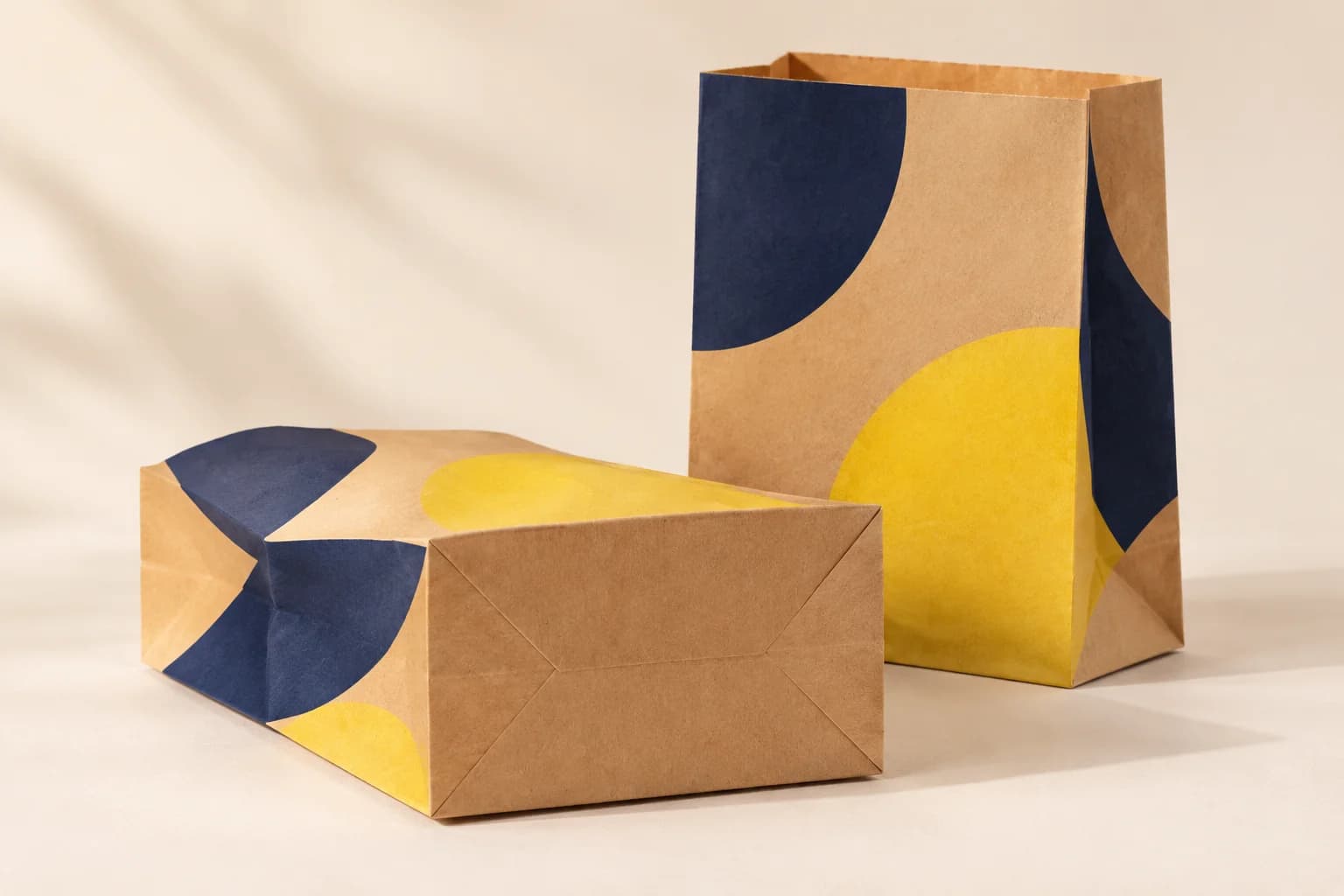
Details that change the finished product
Side gussets, glued base and print placement
Side gussets create usable depth
The side folds expand as the bag opens. Their depth sets the base footprint alongside the front width. A container that fits only by forcing the gussets can stress the seams and make the bag difficult to pack.
The glued bottom carries the load
The bottom folds overlap to form a standing base. Evaluate glue bonding, corner stress and paper tearing on a complete filled sample. Increasing paper weight alone cannot correct a poorly sized base or unsuitable adhesive system.
Print on the paper you will use
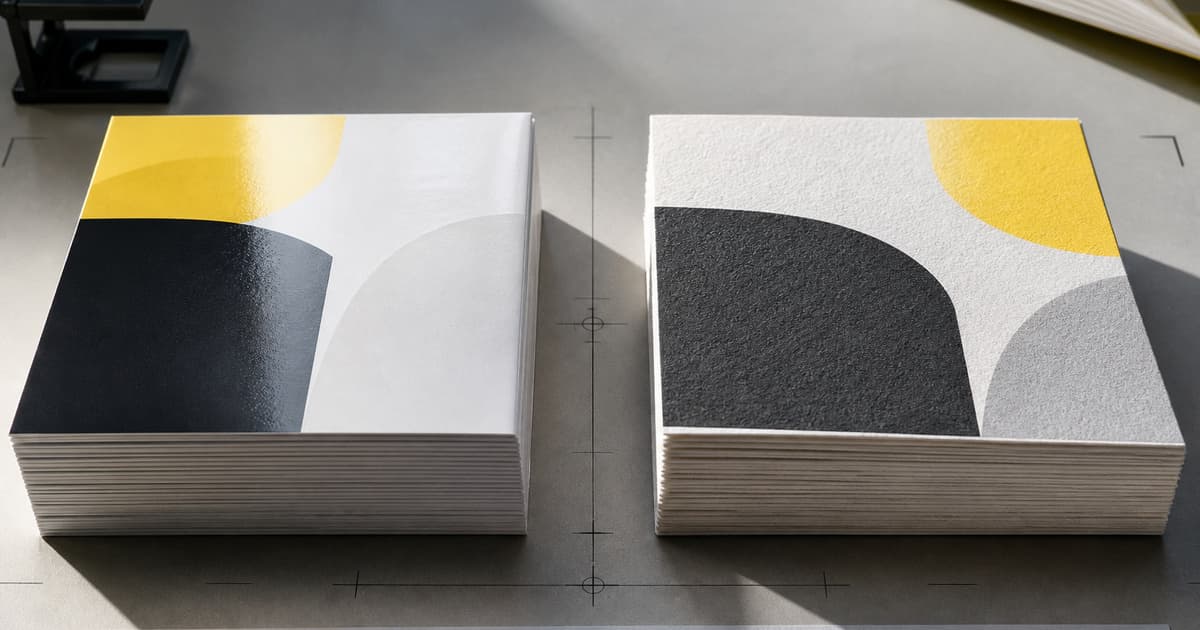
Brown kraft contributes its own color to the printed result. Compare brand colors on the actual paper and inspect ink transfer after folding and stacking. Position critical logos away from the side crease and bottom turn-in.
Bakery, takeaway and grocery configurations
Bakery and deli counters
Choose the footprint around the wrapped goods and the space needed to pack without crushing them. Review grease exposure separately from external carrying strength.
Takeaway containers
Measure the largest container flange and any stacked set. A stable base and adequate headroom help keep the order upright while the top is folded.
Grocery and merchandise
Match the bag to the actual contents and filled weight. For longer carries or awkward loads, compare a handled kraft bag rather than relying on a pinched top.
Solve the risk before production
Prevent base strain, leaks and carrying failures
The critical finished-product check
A bag can fit the container yet fail during carrying. A narrow base can load the corners, while grease or moisture can weaken unprotected paper and glued seams. Test the selected paper and bottom construction with the real filled load and intended handling time.
Sample and approval
Test a complete filled bag
Free samples are available, with preparation completed within 15 days. Confirm the sample scope; courier arrangements and transit time are separate.
Structural sample
Checks dimensions, fit and assembly using unprinted or representative materials. It does not establish final color.
Printed proof
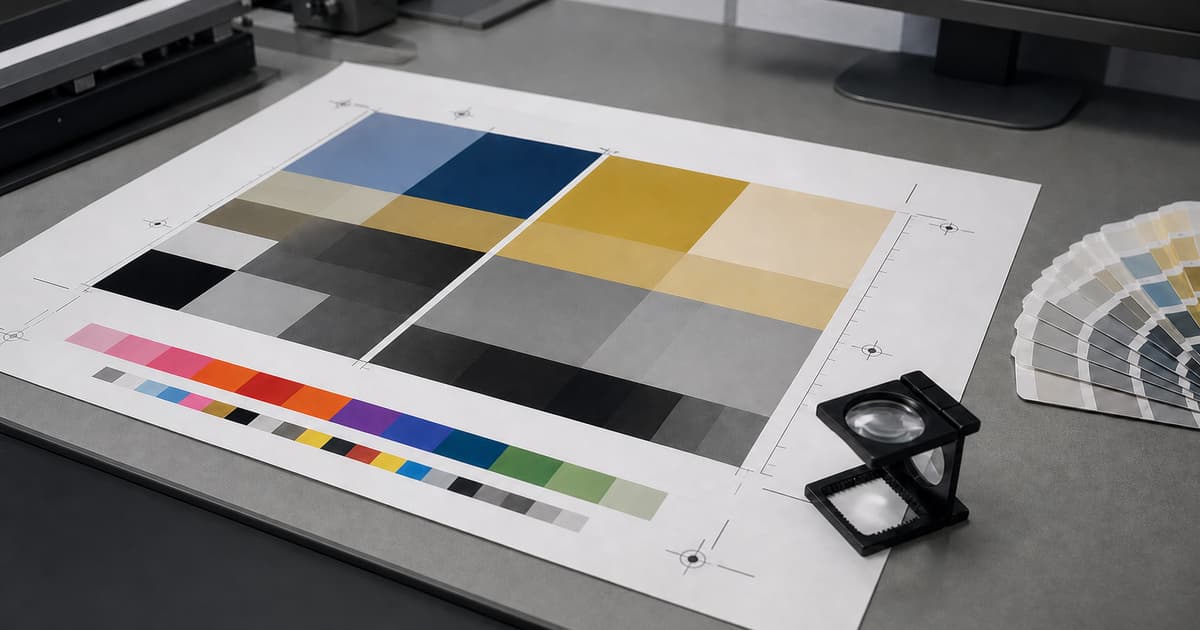
Checks text, image reproduction and artwork on the agreed proof medium. It may not reproduce final assembly or every finish.
Complete finished sample
Pack the real contents; check base stability, top-fold clearance, seam bonding and print rub after the intended handling period.
From brief to delivery
Specify your custom SOS bag order
Define, sample and release your order
Define the packed contents
Send the container dimensions, filled weight, use environment and bag quantities per artwork.
Select and sample
Compare base footprint, paper and print on one consistent specification. Approve the filled sample and artwork revision.
Release the order
Agree bag counts, packing labels, destination and required arrival date. Record production and transport as separate schedule elements.
Bundle counts and moisture protection
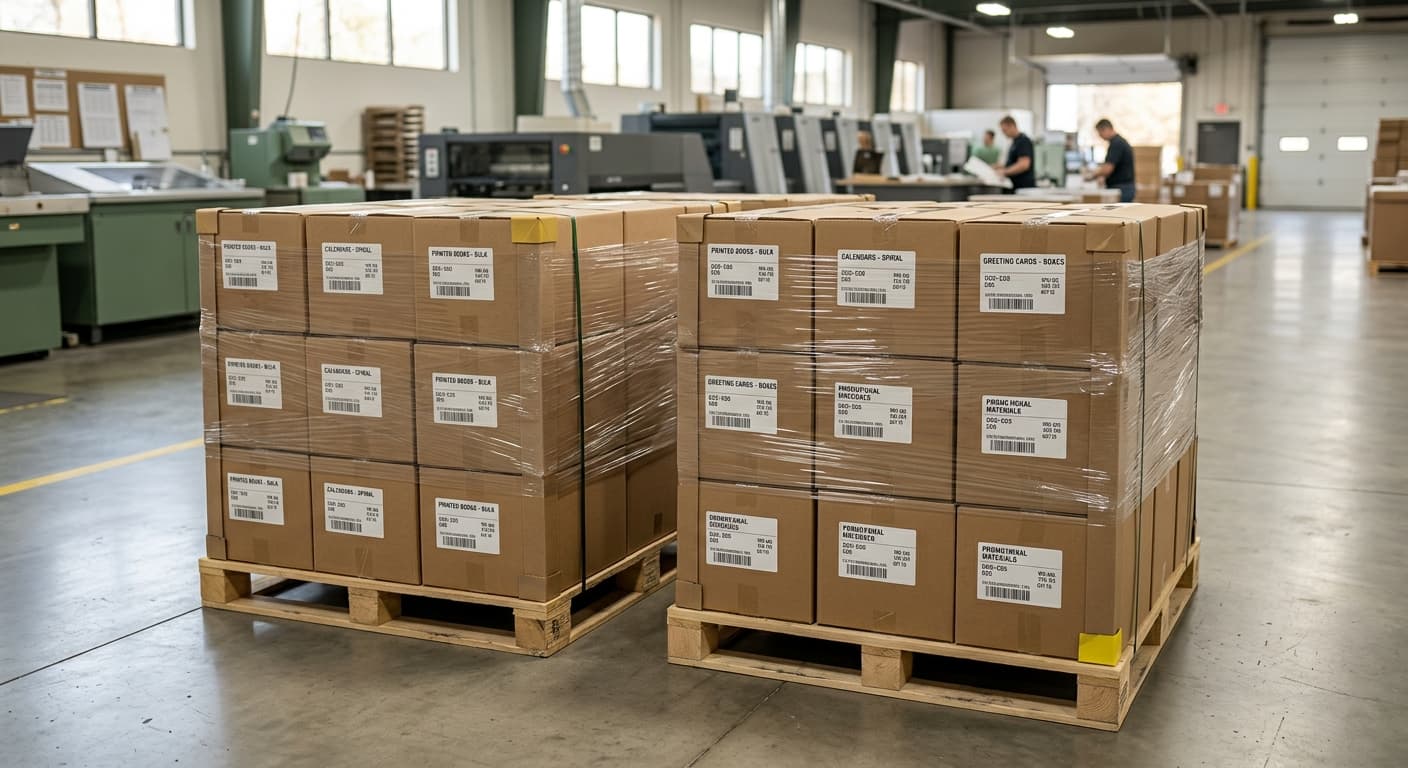
Agree flat-bag counts per bundle and carton, identify each size and artwork, and protect the paper against moisture in storage and transit.
- Supply vector artwork with fonts embedded or outlined. Keep panel artwork aligned to the approved width, gusset, height, bottom fold and glue zones; a front-panel PDF alone cannot define the complete bag.
- Separate spot colors and any white-ink requirements explicitly. Use the agreed print process and color reference rather than assuming screen colors will match brown kraft.
Project questions
Planning Custom SOS Bags
What does SOS mean for a paper bag?
SOS is commonly expanded as self-opening satchel or self-opening sack. The format has side gussets and a folded flat bottom that lets the opened bag stand during packing. Handles are not inherent to this construction.
How should I specify the size?
Use width × gusset depth × height and state that order in millimeters. Include the filled product dimensions, lid overhang and planned top fold. Trade numbers vary between suppliers, so they should not replace measured dimensions.
Can an SOS bag hold hot or greasy food?
The answer depends on the paper, barrier, adhesive and contact conditions. Tell us whether food is wrapped, boxed or in direct contact, and give temperature, holding time and destination requirements. Check the proposed material documentation and a sample under the intended use.
Do heavier papers always carry more?
No. Fiber strength, bag size, fold geometry, glue bonding and moisture exposure all affect performance. Compare complete filled bags under the same conditions; paper weight is one input rather than a certified load capacity.
Specify the finished product.
Send quantity per size and artwork, width × gusset × height, contents and filled weight, brown or white paper preference, print colors and destination. For food use, include contact conditions, temperature and grease exposure. Add the required arrival date.